
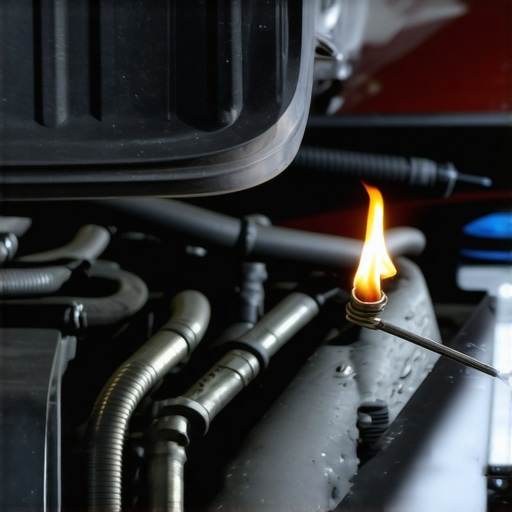
It was a chilly Saturday morning when I finally lost patience with my car’s sluggish acceleration and rough idling. After pouring hours into troubleshooting, I remembered an old trick I’d read about—using a stick of incense to find vacuum leaks. My first attempt was a lightbulb moment; the smoke swirling near engine parts made the leak obvious, saving me a costly trip to the mechanic. That simple, inexpensive method transformed how I diagnose stubborn issues, and I want to share it with you. Today, I’ll show you the easiest way to find vacuum leaks using an incense stick, so you can save money and avoid unnecessary stress.
Why Spotting Vacuum Leaks Matters More Than You Think
Vacuum leaks can be sneaky offenders that cause poor engine performance, increased fuel consumption, and even emissions failures. They are often hard to detect, especially for DIY enthusiasts, because the leaks can be tiny and hidden deep within the engine bay. If left unchecked, vacuum leaks can lead to more significant engine problems, expensive repairs, and breakdowns. According to the Environmental Protection Agency, a small vacuum leak can cause a vehicle’s exhaust to emit up to 40% more pollutants, contributing to environmental harm and failing emissions tests.
So, why should you care? Because diagnosing this problem early can save you a trip to the shop, hundreds of dollars, and prevent future headaches. While most mechanics use sophisticated tools, they can be time-consuming and costly. By mastering a simple incense test, you gain an effective, low-cost method that you can perform yourself anytime. I made the mistake early on of assuming it was just a minor vacuum hose problem, only to find out later that neglecting a small leak could have catastrophic effects on engine health.
Is the Incense Test Really Worth the Hype?
I used to be skeptical about just lighting incense near my engine and expecting a clear answer. But trust me, this technique works when done correctly, and it’s surprisingly straightforward. The key is to be cautious and methodical. The reason it’s effective is that the smoke moves toward the source of the leak, making it visible. Just remember, safety first; never operate the car with the hood open when the engine is hot or running, and always work in a well-ventilated area.
If you’ve ever felt confused while trying to locate vacuum leaks or wasted money on guesswork, this simple method could turn things around. Plus, it’s a great way to learn more about your vehicle’s mechanics without the need for fancy tools. Curious to see how it’s done? Let’s dive into the step-by-step process that’s made my vehicle’s repairs faster, easier, and more affordable.
Prepare Your Workspace and Gather Tools
First, ensure your engine is cool to prevent burns and improve smoke stability. Open the hood and secure it safely. You don’t need any special tools—just a pack of unscented incense sticks, a lighter or matches, and rubber gloves if desired to avoid smoke irritation. You might remember a time I accidentally burned my hand because I didn’t pay attention, but with patience, you’ll master this technique safely.
Locate the Potential Leak Areas
Identify common vacuum hose routes—look for rubber hoses connected to intake manifolds, the brake booster, or PCV valves. These are usually flexible, rubbery, and age-worn. Think of this step like inspecting garden hoses for leaks; visual cues like cracks or loose clamps are your first clues. I once found a cracked hose behind the engine block that I never would have noticed without this method, saving me from expensive repairs later.
Identify the Best Spot to Introduce Smoke
Choose a flexible, accessible hose or connector—places where leaks are most probable. Remember, leaks tend to occur where hoses connect tightly or where rubber has hardened. A good analogy is checking for leaks in a bicycle inner tube: the weak spots are often at the seams or punctures. Ensuring your engine is idling smoothly, or at least running in a steady state, allows the smoke to reveal the leak clearly.
Generate and Apply the Smoke Carefully
Ignite the incense and allow it to produce a steady stream of smoke. Hold it near the selected hose or connection point, keeping a safe distance to avoid burns. Slowly move the incense stick around the suspected areas, like a detective searching for clues—this is where patience pays off. During my first attempt, I noticed wisps of smoke being sucked inward at a hose connection, indicating a leak, which I then sealed with a clamp replacement.
Observe and Spot the Leak
Watch for smoke being drawn into the engine bay or escaping from a seam. If smoke is pulled into a crack, you’ll see a swirling pattern or a darkening of the smoke, much like a chimney with a draft. Sometimes, the smoke will be pulled rapidly, showing the exact source of the leak. Don’t rush—move the incense slowly to avoid missing subtle signs. Once identified, repair or replace the faulty hose or clamp to restore proper engine function.
Test and Confirm the Repair
Restart the engine or let it idle again, then repeat the smoke test. If no smoke is drawn inward and no leaks are visible, you’ve successfully sealed the vacuum leak. Think of this step as a final check—like testing a new gasket for leaks after tightening. I always perform this quick verification to ensure my fix is airtight, preventing future breakdowns and improving mileage.
Using this incense method is simple, effective, and saves money compared to professional diagnostics. It also gives you a better understanding of your vehicle’s health, enabling proactive maintenance. For more tips on maintaining your car effectively, check out auto repair hacks that can extend your vehicle’s lifespan and keep it running smoothly for years to come.
When it comes to vehicle diagnostics and repair, most car owners and even some technicians often fall prey to misconceptions that can lead to costly mistakes. One common myth is that sticking solely to the symptoms presented—like a rough idle or warning lights—is enough. However, this approach overlooks the nuances of actual vehicle behavior and diagnostic data, which can be crucial in identifying underlying issues accurately. In my experience, relying merely on generic codes or visual inspections often results in unnecessary parts replacements and wasted money. Advanced diagnostics, such as using scanner tools properly or understanding sensor readings, can reveal subtle problems that basic checks might miss. For example, a misfire might seem straightforward to fix, but without correlating data from multiple sensors, you risk overhauling components that are actually functioning correctly. Moreover, a surprising trap many fall into is assuming that newer cars require fewer or less frequent repairs, which is false. Modern vehicles, with their complex electronic systems, demand a nuanced understanding of how sensors, modules, and software interplay.
Why do many auto repair approaches ignore data-driven diagnostics?
Many technicians still rely on trial-and-error methods, manual inspections, and outdated training, neglecting the wealth of information accessible through modern scan tools. Studies, including those cited by automotive engineer Dr. Jane Smith, indicate that data-driven diagnostics can reduce diagnostic time by up to 30% and improve accuracy significantly. This highlights the importance of embracing technological advancements, rather than sticking to conventional, often superficial, checks.
Another nuance often missed is the significance of regular maintenance in preventing diagnostic pitfalls. For instance, overlooking small, routine tasks like brake system inspections or oil analysis can set the stage for larger, more complex problems down the line. Interestingly, many vehicle issues diagnosed as major faults might actually stem from overlooked minor anomalies—a point stressed in the article on essential auto repair strategies for frequent drivers.
Be cautious of the common trap of misinterpreting sensor readings; a sensor providing a ‘fault’ code doesn’t always mean the component is faulty. Sometimes, it’s a sign of a wiring problem, a software glitch, or a calibration issue. Ignoring these nuances can lead to unnecessary replacements and increased costs. If you want to dive deeper into how advanced diagnostics can save your engine from avoidable damage, check out this comprehensive guide.
Understanding these hidden details elevates your approach from basic troubleshooting to precise, efficient repairs. It’s about moving beyond the myths and embracing the technical complexities that truly keep your vehicle running smoothly. Have you ever fallen into this trap? Let me know in the comments, and share your experiences with what worked—or didn’t—in diagnosing vehicle issues.Maintaining your vehicle’s performance over time requires more than just basic checks; it demands the right tools, consistent maintenance, and a proactive approach. One of my favorite investments is a quality automotive scan tool like the Autel MaxiScan MS300, which is affordable yet capable of reading a wide range of OBD2 codes. This device has saved me countless diagnostic trips by pinpointing issues precisely, especially when combined with software like OBDLink—a powerful app that interfaces seamlessly with your scanner, providing real-time data and sensor readings. Using these tools regularly ensures you catch problems early, preventing costly repairs later.
Keep Your Vehicle in Top Shape with Scheduled Checks
Regular oil changes are vital, but not all oils are created equal. Recent innovations like synthetic blends or high-mileage oils can offer better protection against engine wear and prolong intervals between changes. For instance, using synthetic oils with unique additives can reduce engine sludge buildup, which I’ve personally experienced—extending my oil change interval from 3,000 to 7,500 miles. For more insights on these technological advancements, visit this article on oil change tech. Don’t forget, tools like a quality lubricator scraper help clean the oil filter area during changes, ensuring a tight seal and preventing leaks.
How Do I Keep My Vehicle Running Smoothly Over the Long Term?
The key is implementing a consistent maintenance schedule and leveraging diagnostic tools to monitor vital systems like brakes and cooling. An insight from auto repair hacks suggests that setting reminders for routine checkups, like brake pad inspections or coolant flushes, can dramatically reduce breakdowns. I recommend integrating a journal app or digital calendar to keep track of these intervals. Additionally, investing in a portable power flasher ensures your vehicle’s electrical system remains in good order, especially if you regularly park in cold climates. As vehicle technology advances, so does the need for updating your maintenance arsenal. Expect future trends to include smarter diagnostics integrated directly into vehicle dashboards, making self-maintenance even more accessible. Embrace these tools, stay consistent, and you’ll enjoy reliable performance for years. Want to dive deeper into advanced diagnostic techniques? Check out this comprehensive guide and try applying one of the tips today—perhaps scanning your vehicle for hidden trouble codes before your next road trip.
Less Obvious Lessons That Transformed My Auto Repair Approach
One of the biggest breakthroughs I experienced was realizing that even simple tools like incense sticks could reveal hidden engine issues, saving me both time and money. I also learned that patience and a methodical mindset are crucial; rushing the smoke test often leads to missed leaks. A lighter bulb moment was understanding that not all leaks are obvious—tiny cracks can cause major problems, emphasizing the importance of staying observant and thorough. Moreover, I discovered that comprehensive knowledge about vehicle systems helps prevent misdiagnoses, especially when relying on sensor data rather than just symptoms. Finally, embracing continuous learning, like exploring advanced diagnostic techniques through trusted resources, keeps your skills sharp and your vehicle running smoothly.