
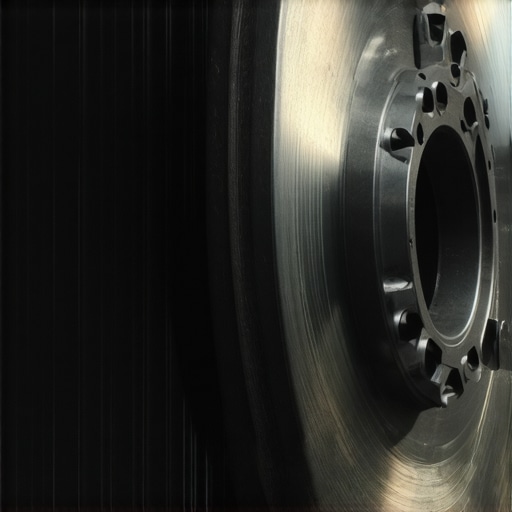
It was a frustrating Saturday morning when I first noticed the trembling brake pedal during my usual drive home. Just six months prior, I had my brake rotors replaced, expecting years of smooth stopping power. Instead, I was faced with warping symptoms that made me question everything I thought I knew about car maintenance. That lightbulb moment made me realize something was seriously off, and I knew I wasn’t alone in this experience.
Uncovering the Hidden Causes of Warped Brake Rotors
You see, many drivers assume that replacing brake rotors guarantees long-term performance. But in reality, several factors can cause those shiny new discs to warp prematurely. From uneven brake pad wear to driving habits, the root causes are often overlooked. Believe me, I made a crucial mistake early on—ignoring the importance of proper bedding-in procedures for new rotors—which I now understand can significantly impact their lifespan. Learning from this, I delved into auto repair resources and discovered that poor heat dissipation and continuous heavy braking are common culprits, leading to excessive heat buildup and warping.
If you’ve found yourself asking, “Why do my brake rotors warp only a few months after I replaced them?” you’re not alone. The good news is, understanding the underlying causes can save you time, money, and dangerous driving situations.
For a deeper dive into how advanced diagnostics can prevent costly issues and to get practical tips on extending your vehicle’s lifespan, check out [top auto repair tips](https://repairmycarpro.com/top-auto-repair-tips-to-extend-your-vehicles-lifespan). Staying informed and proactive can make all the difference in maintaining safety and performance.
Now, let’s turn this frustration into empowerment. I’ll walk you through the real reasons behind these issues and how you can avoid them, starting with some common mistakes that might be harming your brake system.
Check Your Brake Pad Thickness Regularly
Pull over safely and inspect your brake pads visually by removing the wheel or through a service hatch. Worn pads expose the rotor to uneven pressure, causing warping. Use a ruler or your finger to gauge thickness; replace them if below manufacturer specs. I once neglected this on a long trip; a quick pad check saved me from costly rotor replacement later.
Ensure Proper Bedding-In Procedures
After installing new rotors or pads, perform a series of gradual stops—accelerate to around 50 mph and apply light to moderate braking, then release. Repeat this 8-10 times to transfer an even layer of brake pad material onto the rotor surface. Skipping this step can lead to hot spots and warping. I followed a bedding-in routine from a trusted brake service guide, which significantly improved rotor lifespan.
Maintain Brake System Cleanliness
Regularly clean brake components to prevent dirt, dust, and oil from contaminating surfaces. Use a brake cleaner spray, following the instructions carefully. Keep the suspension and wheel wells free of debris, as buildup can insulate heat and cause uneven expansion. I once noticed a squealing noise that vanished after a thorough cleaning, confirming the importance of this simple step.
Monitor Driving Habits and Conditions
Avoid continuous heavy braking, especially on downhill stretches, which generate excessive heat. Use engine braking techniques by shifting to lower gears to reduce brake wear. Consistent gentle braking allows rotors to cool evenly. During a mountain trip, I consciously downshifted on descents, which kept my brakes cooler and prevented warping.
Schedule Regular Brake Inspections
Have a professional mechanic inspect your brake system at least once a year or every 12,000 miles. They will check rotor runout, pad wear, and caliper function, identifying issues before they escalate. I learned this the hard way when a mechanic spotted uneven rotor surfaces early, saving me from sudden brake failure.
Upgrade to High-Quality Brake Components
Invest in reputable brake pads and rotors designed for your driving style. High-quality materials dissipate heat better and are less prone to warping. For frequent drivers or heavy-duty use, consider performance brake parts. I installed premium parts during my last upgrade, which noticeably improved braking performance and durability, especially in demanding conditions.
Use Advanced Vehicle Diagnostics for Troubleshooting
Modern diagnostics can detect issues like caliper malfunctions or uneven pad wear that contribute to rotor warping. Regularly run diagnostics to catch problems early. I used a diagnostic tool after noticing slight pulsing in the brake pedal, which revealed a sticking caliper that, once fixed, prevented further damage.
For comprehensive auto repair insights, visit top auto repair tips. Implementing these actionable steps can extend the lifespan of your brakes, enhance safety, and reduce unexpected repairs, turning a maintenance chore into a proactive safeguard for your vehicle’s health.
When it comes to auto repair and brake service, many car owners rely on conventional wisdom that can sometimes do more harm than good. One widespread misconception is that simply replacing components like brake rotors guarantees eternal performance. However, in my experience, **this belief overlooks critical nuances** such as proper bedding-in procedures and heat dissipation techniques, which are essential for ensuring longevity. Failing to address these factors often results in premature warping, despite high-quality parts.
Why do so many drivers overlook the fine details of diagnostics?Keep It Running with the Right Equipment and Methods
Maintaining your vehicle’s optimal performance requires more than just basic tools; it demands precision equipment and proven techniques. Personally, I rely on a combination of professional-grade diagnostic tools and meticulous procedures to ensure my repairs stand the test of time. For example, I use an automotive scan tool like the Autel Maxisys MS909, which provides comprehensive vehicle diagnostics, including live data streams and advanced fault code reading. This device helps identify issues before they escalate, saving money and preventing breakdowns. Advanced diagnostics are becoming essential as vehicles grow more complex, incorporating features like ADAS and ECU-controlled systems.
How do I maintain diagnostic tools over time?
Regular updates from the manufacturer ensure compatibility with the latest vehicle models and software improvements. I schedule firmware updates at least twice a year, which keeps my tools sharp and my diagnostics accurate. Additionally, keeping the hardware clean and properly stored avoids damage that could compromise performance. Investing in reliable tools and routine maintenance of our equipment is a wise move for anyone serious about auto repair.
Another aspect I prioritize is using precision torque wrenches like the Snap-on ET350. Proper torque application prevents issues like warped rotors or damaged threads, which can cause long-term problems. For routine oil changes and preventative maintenance, I opt for quality oil extractors such as the Lisle Oil Extractor — it simplifies the process and minimizes mess, enabling me to perform changes efficiently even in tight spaces. Proper tools combined with methodical procedures build a strong foundation for reliable vehicle performance.
What is the future of auto repair tools?
Looking ahead, automation and AI-driven diagnostics will revolutionize auto repair. Systems like remote diagnostics and predictive maintenance sensors will detect issues before symptoms appear, drastically reducing downtime and costs. I believe embracing these innovations now positions us for future success. To stay ahead, I recommend exploring the latest auto repair hacks that leverage technology to maximize efficiency and longevity.
To get started, I suggest trying an advanced diagnostic scan with real-time data monitoring. This simple step can reveal hidden problems lurking beneath the surface and prevent costly repairs later. Incorporate these tools and methods into your routine, and you’ll maintain your vehicle’s health while saving money and time in the long run.
The Hardest Lesson I Learned About brake service,vehicle diagnostics,auto repair,oil change
Early on, I believed swapping out brake rotors was a surefire solution for lasting safety. But I learned the hard way that neglecting proper bedding-in procedures can lead to warping within months. That realization pushed me to understand heat management and the importance of quality components for genuine durability.
Three Myths About brake service,vehicle diagnostics,auto repair,oil change That Held Me Back
Firstly, I thought affordable parts meant sacrificing longevity — not true if you choose reputable brands. Secondly, I believed regular oil changes alone could prevent engine issues, overlooking the role of diagnostics and system checks. Lastly, I used to ignore small brake pulsations, dismissing them as normal — only later to discover they signaled underlying caliper problems that, if untreated, damage rotors.
What Experts Won’t Tell You About brake service,vehicle diagnostics,auto repair,oil change
Professional mechanics often utilize advanced tools like diagnostic scanners (I personally trust the Autel Maxisys MS909) to spot issues early. They also emphasize routine inspections and quality parts to ensure longevity. Learning these secrets from industry pros has revolutionized my approach to vehicle health, saving money and preventing surprises on the road.
Curated Resources for Lifelong Vehicle Wealth
- Top auto repair tips: A comprehensive guide I follow to extend my vehicle’s lifespan. It’s practical, backed by real-world experience, and easy to understand.
- Advanced vehicle diagnostics: The diagnostic tools I rely on, like the latest scan tech, help me catch issues before they escalate.
- Brake service expertise: The ultimate brake guide that shaped my repair routines, ensuring safety and performance.
Your Journey Begins Now
Maintaining your brakes and vehicle diagnostics might seem daunting at first, but with the right knowledge and tools, you’re empowered to keep your car running smoothly and safely. Don’t wait for warning signs—proactive care turns auto repair from a hassle into a habit that pays off in reliability and peace of mind.
Have you ever experienced a moment where understanding the real cause of a brake issue changed your approach? Share your story below and let’s learn together!