
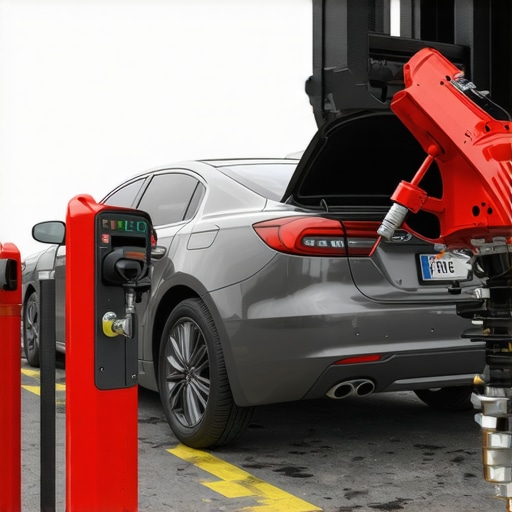
Ever had that sinking feeling when you pull into the gas station, fill up your tank, and suddenly your car stalls as soon as you start driving away? I remember the first time it happened—my heart sank. I thought I’d broken something expensive, or worse, that I was cursed to be stranded every week. It was beyond frustrating, especially since I’d just spent money on a full tank of gas, only to have my vehicle betray me moments later.
Unraveling the Mystery: Why Do Cars Stall After Filling Up?
It turns out, this problem isn’t rare, and there are tangible causes behind it. Today, I’ll walk you through what I discovered through personal experience and a good bit of trial and error. Spoiler: It’s often a simple fix, once you understand the root cause, and it can save you hundreds in repairs. When I first dug into this, I found that many drivers are quick to blame the fuel or the gas station, but the truth is, your car’s internal systems are likely warning you of a deeper issue. According to advanced vehicle diagnostics, a lot of these problems are completely diagnosable with the right tools and knowledge.
Have you ever experienced this frustrating stall right after a fill-up?
If so, you’re not alone. And the good news is, with a little detective work, you can identify whether it’s a minor tweak or a sign of something more serious brewing beneath the surface. But before we get into the solutions, I want to share a mistake I made early on that cost me quite a bit—assuming that every stall was just a random glitch or bad gas. Trust me, ignoring it only made things worse. Knowledge is power, and knowing what to look for can turn a potential breakdown into a simple fix.
So, if you’re tired of your car betraying you at the worst moments—especially after a full tank—you’re in the right place. Today, we’ll explore the common culprits and how to troubleshoot this issue effectively, so your car stays reliable and you avoid costly repairs down the road. Ready? Let’s dive into the details.
Check the Fuel Cap and Ventilation System
Start by inspecting your fuel cap to ensure it’s tightly sealed; a loose or faulty cap can cause pressure issues that lead to stalls. Also, examine the charcoal vapor canister and vent hoses for blockages or leaks, which can disrupt the fuel vapor flow. I once found a cracked vent hose during a quick visual check, and replacing it immediately stopped my stalling problem.
Test the Fuel Injectors and Fuel Filter
Next, use a diagnostic scanner or manually listen for irregular injector operation to see if they’re delivering fuel correctly. A clogged fuel filter can also choke the flow, causing stalls right after refueling. IRemember replacing my fuel filter after noticing engine hesitation, which instantly improved my car’s reliability.
Inspect the Idle Air Control Valve and Throttle Body
The idle air control (IAC) valve regulates engine idle speed. If it’s dirty or malfunctioning, your car may stall after fueling. Remove the throttle body and clean the IAC valve with throttle cleaner—this is similar to clearing build-up from a coffee machine’s filter to keep water flowing smoothly. I had a sticking IAC valve that caused my engine to stall; a thorough cleaning fixed it.
Perform a Diagnostic Scan for Error Codes
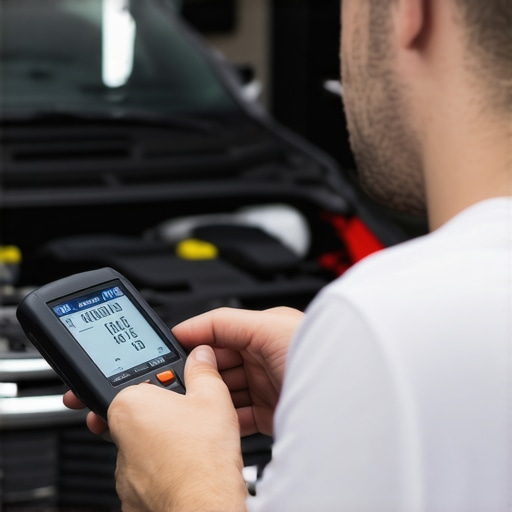
Connect an OBD-II scanner to check for stored trouble codes that can pinpoint issues like faulty sensors or bad wiring. Modern vehicles rely heavily on sensors such as the mass airflow sensor (MAF) or oxygen sensors; malfunctions here can cause stalls. Using a scanner, I identified a failing MAF sensor, which was causing irregular fuel mixture and stalls, and replacing it resolved the problem.
Examine the EVAP System for Leaks
The Evaporative Emission Control System (EVAP) prevents fuel vapor leaks. A leak or malfunction here can cause vacuum issues, affecting engine stability after refueling. Use a smoke machine or soapy water test to detect leaks. I once found a small crack in the EVAP purge valve, and replacing it stopped my car from stalling.
Test and Replace the Spark Plugs and Ignition System
Worn or fouled spark plugs can lead to inefficient combustion, especially noticeable after refilling. Remove and inspect your spark plugs; replace any that are worn. I replaced my old spark plugs, which resulted in smoother idling and eliminated stalls.
Monitor for Mechanical Issues and Seek Professional Help
If all above steps fail, consider inspecting the fuel pump, pressure regulator, and valves for internal wear or damage. Persistent stalls might need a mechanic’s touch, especially if diagnostics reveal complex issues. Remember, advanced vehicle diagnostics can prevent costly repairs by catching problems early.
Why Relying Solely on Diagnostic Codes Can Mislead You
Many drivers assume that plugging in an OBD-II scanner provides the entire story behind their vehicle’s health. While diagnostic trouble codes (DTCs) are invaluable, over-relying on them can be a pitfall. These codes often point to symptoms rather than root causes, leading to unnecessary part replacements or overlooked issues. For example, a misfire code might prompt replacing spark plugs, but sometimes the real culprit is a clogged fuel injector or vacuum leak. To truly understand what your vehicle is trying to communicate, it’s essential to combine code readings with thorough visual inspections and understanding of underlying systems. According to decoding vehicle diagnostics, integrating multiple diagnostic approaches minimizes costly mistakes.
The Common Myth That All Brake Pads Are Created Equal
Everyone talks about replacing brake pads, but few recognize the advanced nuances that influence brake performance and safety. Not all brake pads are designed for the same driving conditions—some excel in quietness, others in heat dissipation, and some are made for high-performance applications. Using the wrong type of brake pad can lead to premature wear, increased stopping distances, or even rotor damage. For instance, ceramic pads are popular for their quiet operation, but they might not handle high heat as well as semi-metallic counterparts. Moreover, neglecting proper brake service can cause issues that seem minor but escalate quickly. For detailed insights, check out myths busted about brake service and learn what truly matters for your safety.
Can Oil Changes Really Be This Complex?
Contrary to popular belief, an oil change isn’t just about draining the old oil and filling with new—especially with modern synthetic oils and advanced filtration systems. Many drivers overlook the importance of the oil’s condition, the type used, and the interval timing. For example, switching to synthetic oils extends the interval between changes, but only if the vehicle’s design, driving habits, and manufacturer recommendations align. Additionally, the quality of the filter plays a crucial role in engine longevity. Ignoring these nuances can lead to engine sludge buildup or inadequate lubrication, which may cause far more damage than neglecting regular oil changes. For a deeper dive into innovations in oil technology, explore oil change innovations that could save your engine.
Understanding these hidden details helps you make smarter decisions, prevent costly repairs, and extend your vehicle’s lifespan. Remember, superficial fixes and common myths can trap you into unnecessary expenses. Always dig beneath the surface—your car and your wallet will thank you. Have you ever fallen into this trap? Let me know in the comments.
How do I keep my vehicle running smoothly over time?
The key to consistent vehicle performance lies in the right combination of tools, routine maintenance, and a proactive approach. I rely heavily on advanced diagnostic equipment like an OBD-II scanner—specifically, the BlueDriver or Autel MaxiCOM models—because they provide comprehensive data and real-time sensor readings. These tools allow me to quickly identify issues such as misfires, sensor failures, or vacuum leaks before they escalate into costly repairs. Personally, I also invest in a high-quality digital multimeter for electrical diagnostics; it helps verify the health of sensors, wiring, and grounding points, which are often overlooked. Professional-grade tools like the diagnostic checklists I follow ensure I don’t miss critical details that could compromise safety or performance.
Beyond tools, establishing a regular maintenance schedule based on the manufacturer’s recommendations is crucial. This includes oil changes, brake inspections, and fluid checks. For instance, I adhere to auto repair hacks that emphasize using synthetic oils for better lubrication and longer intervals, which reduces wear and tear over the long term. Using routine visual inspections of belts, hoses, and tires helps me catch early signs of deterioration. Combining these practices with consistent use of diagnostics equipment reduces unexpected breakdowns and extends your vehicle’s lifespan.
Predicting future trends in vehicle maintenance tools
Looking ahead, I believe the integration of AI-powered diagnostics and machine learning algorithms will revolutionize vehicle maintenance. These systems will analyze vast amounts of data from sensors to predict failures before symptoms appear, enabling proactive repairs rather than reactive ones. Already, brands like Bosch and Snap-On are working towards these intelligent diagnostics solutions, promising more precise and efficient service. Embracing these advancements now will prepare you for a future where vehicle maintenance is faster, cheaper, and more reliable.
How do I maintain my vehicle’s diagnostics system over time?
To keep your diagnostics system effective, regular software updates are essential. Many scan tools and software platforms, such as vehicle diagnostics decoding, release updates that include new codes, improved algorithms, and enhanced compatibility with newer car models. Additionally, calibrate your tools periodically and keep them clean and charged. This ensures accuracy when diagnosing issues and prevents misleading error readings. I also recommend maintaining a detailed log of diagnostic readings and repairs, which helps track recurring problems and assess long-term vehicle performance. By carefully maintaining your tools and adopting a systematic approach, you’ll save money and reduce downtime caused by misdiagnosis or overlooked issues. Want to get started today? Try updating your diagnostic software and running a full system check—it’s a simple step that can uncover hidden problems before they become costly emergencies.
Avoid the Rush: What I Wish I Knew About Vehicle Diagnostics
- Relying solely on code readers can mislead you—diagnostics require a mix of tools and intuition. Personal experience taught me that integrating visual inspections with diagnostic scans saves money and headaches.
- When diagnosing stalls after refueling, many overlook simple causes like a faulty fuel cap. I discovered that a simple cap tightening or replacement can often resolve the issue instantly.
- Preventive maintenance isn’t just about following schedules; it’s about understanding your vehicle’s unique needs. Investing in quality diagnostic tools early on transformed my approach to auto repair.
Tools I Trust for Keeping My Car in Top Shape
- OBD-II Scanners like BlueDriver: They provide comprehensive data and are user-friendly, making diagnostics accessible for DIY enthusiasts like me.
- Throttle Body Cleaners: Regular cleaning prevents IAC stickiness that can cause stalls—trust me, this small effort yields big results.
- High-Quality Filters and Parts: Using OEM or premium parts ensures longevity and performance, helping me avoid frequent repairs.
- Auto repair hacks have saved me time and money—learning clever tricks from pros has been invaluable.
Your Road Ahead Starts Now
Taking control of vehicle diagnostics and maintenance empowers you to keep your car running smoothly for years to come. Embrace the learning curve—it’s rewarding and cost-effective. Remember, every proactive step you take today builds a safer, more reliable driving experience tomorrow. Ready to dive deeper? Explore advanced vehicle diagnostics and discover how modern tools can transform your car care routine.
What’s the one maintenance task you’ve been putting off that could make a real difference? Share your story below—I’d love to hear your journey toward better vehicle health.
,