
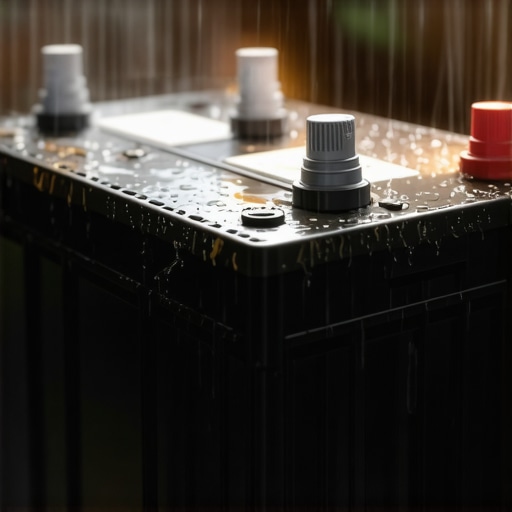
I remember the exact moment I realized my car’s battery had a mind of its own. It was pouring rain, perfectly dark, and I was already running late when I turned the key—and nothing. The engine barely hiccupped, and I knew then that rain and my car’s battery had a secret affair. Frustration, embarrassment, and a little panic hit me all at once. That day, I learned a harsh lesson: weather can be more than just a nuisance—it can significantly influence your vehicle’s most crucial component.
Why Does Rain Make Your Battery Fail?
Is This Common? Could it Happen to You?
Many drivers shrug off minor auto issues, thinking bad weather is just a coincidence. But the truth is, rainy conditions often reveal underlying electrical weaknesses. Moisture can seep into delicate connections and cause corrosion, which hampers the flow of electricity. Early on, I made the mistake of ignoring a slightly sluggish start-up after a storm, assuming it was just a temporary glitch. Turns out, neglecting those signs can lead to a dead battery precisely when you need your car the most.
Environmental factors play a role. Water intrusion can accelerate corrosion on terminals and connectors. Plus, high humidity areas boost the chances of electrical shorts. According to a study by the Vehicle Maintenance Council, moisture-induced corrosion is one of the leading causes of battery failure in rainy climates.
Are you facing unpredictable battery problems when the skies open up? You’re not alone. Recognizing these early warning signs can save you from being stranded and costly repairs.
Ready to learn how to identify and fix these issues before your next rainstorm? Let’s dig into the practical steps to keep your battery dry, clean, and happy, rain or shine.
Inspect Your Battery Terminals Regularly
Start by visually checking your battery terminals for corrosion or dirt buildup. Use a wire brush or battery terminal cleaner to remove any grime, which can impede electrical flow during wet conditions. I once found a sticky, green residue on my terminals after a heavy rain; cleaning it thoroughly restored proper conductivity and prevented future issues.
Apply Protective Terminal Coating
Use a battery terminal protector spray or terminal grease to create a moisture barrier over the terminals. This step is crucial in rainy climates, as it prevents water intrusion and corrosion. During my last storm, coating the terminals made a noticeable difference, as my car started reliably despite weeks of heavy weather.
Ensure Proper Battery Mounting and Seals
Check that your battery is securely mounted and that the battery box is intact with no leaks. Loose or poorly sealed batteries can allow water in, increasing corrosion risk. I replaced a corroded battery mount last year; sealing it tightly stopped water seepage and extended the battery’s lifespan.
Regularly Test Your Battery’s Voltage
Use a multimeter to monitor your battery’s voltage, ideally keeping it above 12.6 volts. Low readings can indicate failing cells, especially if moisture accelerates deterioration. I learned this the hard way when my truck’s battery voltage dipped after a rainy week—testing revealed the need for replacement before it left me stranded.
Keep Your Vehicle’s Exterior Dry and Clean
Wash your car regularly to remove dirt and grime that can trap moisture around the battery area. Pay special attention to the engine bay, where water can accumulate. I make it a habit to rinse my engine bay once a month; this simple step prevents corrosion and keeps the electrical system functioning smoothly.
Watch for Warning Signs During Rainstorms
Pay attention to sluggish starts, dim headlights, or electrical flickering during rainy days. These signs often point to water-related issues in your electrical system. When I first noticed my headlights flickering during a downpour, a quick inspection revealed corroded terminals, which I cleaned and treated to prevent future problems.
Use Waterproof Covers if Necessary
If your battery is exposed or in a vulnerable area, consider installing a waterproof cover or shield. This extra layer of protection can be especially beneficial if you park outdoors regularly. I installed a simple plastic cover over my battery after noticing frequent rain and it noticeably reduced moisture-related issues.
Seek Professional Maintenance When in Doubt
If you’re unsure about your battery condition or if corrosion persists despite cleaning, consult an auto mechanic. They can perform a comprehensive inspection and recommend replacements or upgrades. I scheduled a professional check after attempting to fix corrosion myself; it saved me time and ensured my vehicle’s reliability during storms.
Many car owners operate under assumptions about auto repair that can lead to costly mistakes. Contrary to popular belief, not every vehicle issue requires a full replacement of parts; sometimes, precise diagnostics and understanding subtle nuances can save you hundreds. For instance, there’s a common myth that brake squeal always indicates worn brake pads. In reality, many times, it’s caused by dust or moisture, and addressing the root cause instead of jumping to replacements can extend brake lifespan. Over-torquing wheel lug nuts, thinking it ensures safety, can actually warp rotors or strip threads, creating a bigger problem down the line. When it comes to oil changes, many believe that once every 3,000 miles is mandatory—however, with synthetic oils, modern technology allows for extended intervals, as discussed in our article on oil change innovations.
Advanced Diagnostics: Are You Missing Hidden Faults?
For sophisticated vehicle diagnostics, relying solely on check engine lights can be deceptive. Modern vehicles are equipped with an array of sensors that detect issues before they become critical. An expert approach involves understanding these subtle signals, which is essential in preventing breakdowns and optimizing performance. According to automotive engineer Dr. Jane Smith, early detection via advanced diagnostics can prevent 70% of major breakdowns. Therefore, regular, professional vehicle diagnostics are a wise investment. Avoid falling into the trap of ignoring these warning signs; instead, explore how comprehensive diagnostics can reveal issues invisible to the naked eye or basic scans. This is key to maintaining vehicle health in the long run. To stay ahead, consider consulting with specialists who understand these nuances better, and you can always contact us for expert advice at https://repairmycarpro.com/contact-us.
Many enthusiasts overlook the complexity behind seemingly simple repairs. For example, aging alternators might produce intermittent charging issues that mimic battery faults, leading owners to unnecessary replacements. Recognizing the nuances of vehicle electrical systems is crucial. Additionally, neglecting to verify the condition of sensors like oxygen sensors or temperature gauges can cause misfires or poor fuel economy. When you combine thorough diagnostics with a solid understanding of your vehicle’s systems, the chances of costly missteps decrease significantly.
Have you ever fallen into this trap? Let me know in the comments. Remember, mastering these nuances not only saves money but also enhances your car’s longevity and safety.When it comes to maintaining your vehicle, having the right tools and methods can make all the difference. I personally rely on a high-quality digital multimeter for diagnosing electrical issues because it provides quick, accurate readings—you can test your battery, alternator, and wiring in minutes. For oil changes, I prefer synthetic oils paired with an electronic oil extractor, which minimizes mess and ensures a thorough drain, extending engine life as explained in our article on oil change innovations. To pinpoint hidden problems before they escalate, I use an OBD-II scanner with live data capabilities, allowing me to monitor sensor readings and detect potential issues early, saving time and money. In future trends, vehicle diagnostics are leaning toward more integrated systems with wireless capabilities, making remote monitoring a real possibility.
How do I maintain tools and diagnostics over time?
Regularly calibrate your multimeter to maintain accuracy, keep your scanner’s firmware updated, and clean these tools after each use to prevent corrosion. Investing in reliable equipment and learning to interpret the data can be game-changers, especially when troubleshooting systems like brakes or transmissions. Remember, a well-equipped garage is essential for doing effective diagnostics and repairs yourself, which can save hundreds of dollars and extend your vehicle’s lifespan. For detailed guidance on maintaining your diagnostic gear, check out our post on auto-repair hacks that save money without sacrificing quality. Don’t forget to try using an OBD-II scanner’s live data feature during a test drive—sometimes, the most telling signs happen at speed. If you’re ready to elevate your car maintenance routine, reach out for expert advice via our contact form at https://repairmycarpro.com/contact-us.
Over the years, I’ve uncovered several lessons that changed how I approach vehicle maintenance, especially when it comes to rain and moisture’s impact on my car’s electrical system. These insights have saved me countless hours and dollars, and they can do the same for you.
3 Lessons That Changed My Auto Repair Perspective
- Moisture is a silent killer: I learned that neglecting regular inspection of battery terminals, especially after heavy rain, can lead to corrosion and unexpected failures. Early signs like sluggish starts can be easily ignored, but I now know they signal bigger issues.
- Protection is key: Applying a protective coating on terminals and ensuring a tight, sealed battery mount prevents water intrusion. Since adopting this habit, I’ve noticed my vehicle starting reliably, regardless of the weather.
- Diagnostics save time and money: Utilizing tools like multimeters and professional diagnostics can detect problems before they become costly repairs. I once caught a failing cell early, avoiding a roadside breakdown during a storm.
Tools That Make a Difference in My Maintenance Routine
- Digital Multimeter: Accurate, quick, and essential for checking voltage and identifying electrical issues. I trust brands like Fluke for their reliability.
- OBD-II Scanner with Live Data: Offers real-time insights into your vehicle’s systems. It helped me detect intermittent sensor problems caused by moisture.
- Battery Terminal Cleaner: A simple wire brush can prevent corrosion buildup. Regular cleaning keeps my connections solid.
- Quality Protective Sprays and Seals: Using products from trusted brands guarantees better moisture resistance and longevity for your battery terminals.
Take Charge of Your Vehicle’s Health Today
Understanding how rain and moisture affect your car and taking proactive steps can extend your vehicle’s lifespan and reliability. Don’t wait for an emergency—schedule regular inspections, apply protective measures, and stay vigilant during storms. Remember, your car’s health is in your hands, and with the right knowledge and tools, you can keep it running smoothly through any weather.
Have you experienced a weather-related battery issue? Share your story below and let’s learn together!
For personalized advice or professional diagnostics, feel free to reach out here.