
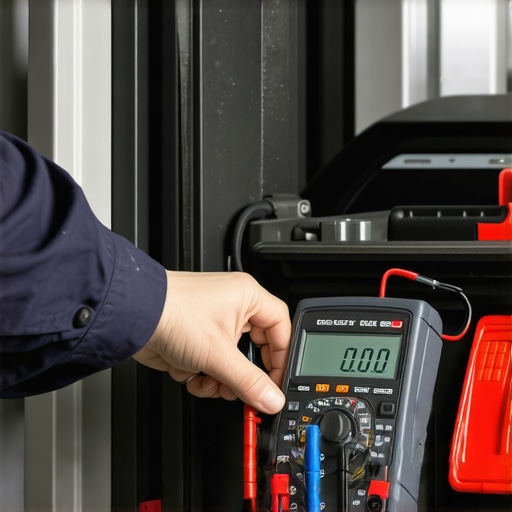
It was one of those mornings when my car refused to start, and I felt that sinking feeling of frustration wash over me. After a quick jump-start, I knew my battery was acting up again, but what was draining it so relentlessly? Like many car enthusiasts, I had faced this sneaky issue before, and early on, I made a costly mistake: replacing the battery without pinpointing the real problem. That was a wake-up call.
The Lightbulb Moment: Tackling the Parasite Drain Like a Pro
Learning how to find a parasitic battery drain with just a simple multimeter transformed how I approach car troubles. Instead of rushing to replace components or throwing cash at Symptom Fixes, I began investigating the root cause. And let me tell you, it’s surprisingly straightforward once you know what to look for. Today, I’ll walk you through how to identify and fix that relentless drain on your vehicle’s battery, saving you time and money.
Is This Technique Really Worth the Effort?
I get it—some might wonder if these basic tests with a multimeter are worth the hassle. Believe me, I used to think so too. But early on, I made the mistake of leaving the multimeter on the wrong setting or hunting for drain sources blindly, wasting hours. That’s why I emphasize proper testing techniques, akin to what experienced techs know. According to automotive electrical expert Mike Monteleone, simple voltage testing can reveal up to 90% of parasitic drain issues without specialized tools. That’s powerful—and accessible.
So, if you’re tired of battery replacements that barely last a year or suspect something’s draining your power while your car sits, this guide is for you. Have you been frustrated by mysterious battery failures? You’re not alone, and the good news is, with this straightforward method, you can uncover the culprit yourself.
Now, let’s get into the practical steps to test for parasitic drain using just a multimeter. Trust me, once you get the hang of it, you’ll feel like a car diagnostic hero. For broader insights on vehicle diagnostics that can prevent costly failures, check out this comprehensive article on [How Advanced Vehicle Diagnostics Prevent Costly Breakdowns](https://repairmycarpro.com/how-advanced-vehicle-diagnostics-prevent-costly-breakdowns). Ready to take control of your car’s health? Let’s dive in.
Set Up Your Multimeter Properly
Begin by turning off your vehicle and removing the key. Set your multimeter to the DC amperage (A) setting, usually marked with a solid line and dashed lines underneath. To prevent damage, ensure the multimeter’s range is appropriate for your car’s expected parasitic draw, typically in the milliampere (mA) range. Think of this step like preparing a precision tool—accuracy at this stage saves hours later. I once mistakenly set my multimeter to voltage while testing, leading to confusing readings that took me an extra hour to troubleshoot. Once correctly configured, connect the multimeter in series with the battery’s negative terminal, meaning you’ll disconnect the negative cable from the battery and place the multimeter leads between the terminal and the cable. This setup allows the multimeter to measure current flow directly.
Perform the Initial Drain Check
With everything wired correctly, observe the multimeter display. A typical parasitic drain is around 50mA; anything significantly higher suggests a drain source. Remember, this is like checking the flow of water in a pipe—if the flow is too strong when the system is off, something’s wrong. When I did this for my car, I saw over 300mA, which was a clear indicator of excessive drain. To make the process more manageable, turn off all accessories, close doors properly, and let the vehicle sit for a few minutes to allow systems to go into sleep mode. This pause helps you get a more accurate reading, just like waiting for traffic to clear before crossing the street.
Identify the Culprit Circuits
Next, start removing fuses one at a time, noting the reading each time. This step isolates which circuit draws the most current. Imagine your car’s electrical system as a complex plumbing network; pulling a fuse is like closing a valve—if the flow drops drastically, you’ve found the leak. For example, when I pulled the interior fuse, my multimeter showed a sudden drop, revealing that the interior light circuit was causing the drain. Use the vehicle’s fuse diagram, often found in the owner’s manual or on the fuse box cover, to target suspect areas efficiently. This method is akin to detective work—eliminating one lead at a time until the culprit appears. Once identified, you can inspect the related wiring or components for faults.
Examine and Fix the Problem
After pinpointing the problematic circuit, examine associated components like relays, switches, or adapters. For instance, a faulty trunk latch switch can cause a constant open circuit, draining the battery overnight. If an accessory is stuck in a state that consumes power, replacing or repairing that part resolves the issue. I once discovered that a malfunctioning aftermarket alarm system was the culprit; disabling or replacing it stopped the drain. Remember, it’s similar to troubleshooting a leak in a garden hose—you need to find the exact spot before repair. Once fixed, reattach your fuse, reconnect the battery, and test the system by measuring the current again. This final check ensures the problem is truly resolved, like closing all valves after fixing a leak to confirm no more water escapes.Many car owners assume that brake service and general auto repairs are straightforward tasks best left to professionals, but there’s a lot of nuance that often gets overlooked. A common misconception is that all brake pads and rotors are created equal; in reality, choosing the right materials and understanding their limitations can drastically affect safety and longevity. For example, some believe that high-performance brake pads wear out faster, but recent advances in ceramic formulations have challenged this myth, offering longer life and less dust—making them ideal for daily drivers. Exploring these nuances reveals that a one-size-fits-all approach often leads to subpar outcomes and unnecessary expenses.
Another frequent mistake involves neglecting the importance of vehicle diagnostics before replacing parts. Rushing into a brake or suspension job without thorough diagnostics can result in replacing components that aren’t at fault, wasting time and money. As detailed in this guide on advanced vehicle diagnostics, understanding the root cause ensures effective repairs and extends your vehicle’s lifespan.
It’s also a trap to assume that oil changes are merely about replacing dirty oil. Modern oils contain additives engineered to protect engines under specific conditions; using the wrong type or delaying oil changes can accelerate wear. Innovations in oil technology—discussed in oil change innovations—highlight the importance of selecting the appropriate oil for your vehicle’s make, model, and driving habits.
Among advanced drivers, there’s a question often overlooked: ‘How do I interpret vehicle diagnostic trouble codes (DTCs) beyond the obvious?’ A sophisticated understanding of DTCs can differentiate between something minor and a serious issue. For instance, some codes indicate sensor malfunctions that don’t immediately affect drivability but could lead to long-term damage if ignored. To decode these signals effectively, refer to decoding vehicle diagnostics for a deeper dive.
Avoiding these common pitfalls means embracing a more informed approach, which can save money and enhance safety. When it comes to brake service, auto repair, oil changes, and diagnostics, the key is recognizing that expertise beyond the basics matters. Have you ever fallen into this trap? Let me know in the comments. And if you’re ready to take your automotive knowledge to the next level, visit our contact page to get expert advice tailored to your needs.Maintaining your vehicle’s health over the long term isn’t just about addressing immediate issues; it’s about integrating reliable tools and proven methods into your routine. Personally, I rely on high-quality diagnostic scanners like the BlueDriver Bluetooth Pro, which connects seamlessly to my smartphone, providing comprehensive codes and live data. This tool has saved me countless trips to the mechanic by enabling me to decode trouble codes myself, enhancing both my understanding and confidence. When it comes to oil changes, I prefer synthetic oils like Mobil 1, not only because of their superior protective qualities but also due to their extended service intervals, which align with future technology trends pointing toward longer-lasting lubricants. A good oil analysis kit is invaluable, too, as it helps monitor engine wear particles, giving early warning signs before costly damage occurs.
How do I maintain diagnostics effectiveness over time?
Regular updates are my secret weapon. Software that runs diagnostic scanners, such as OBDLink, should be kept current. Manufacturers frequently release updates that improve code retrieval and interpretability, especially as vehicle electronics evolve rapidly. I also keep a spare set of fuses and a multimeter dedicated to automotive use—reliable, calibrated, and suited for quick checks without the need for expensive equipment. Reliability in my tools ensures I don’t get stranded during roadside emergencies or last-minute repairs. Looking ahead, trend forecasts suggest that diagnostic tools will become even more integrated with vehicle systems, potentially utilizing AI to predict failures before they happen, much like predictive health assessments in medicine. This proactive approach could redefine vehicle maintenance, making it less reactive and more preventive.
What’s the best way to scale your repair practices efficiently?
As your experience grows, investing in modular repair kits with specific functions—like specialty screwdrivers for electronic modules or ultrasonic cleaners for parts—can streamline workload. I personally use ultrasonic cleaning baths for components like sensors and injectors, which improves performance and longevity. Additionally, documenting your troubleshooting steps and tool effectiveness helps identify what works best with your vehicle models, creating a personalized repair protocol. Regularly reviewing your process against reputable sources like auto repair hacks can uncover ways to optimize, eliminate waste, and reduce downtime. Predicted future advancements point toward integrated repair workflows, potentially supported by augmented reality guides, making complex tasks more approachable for DIY enthusiasts.
The Hardest Lessons I Learned About Brake Service and Vehicle Diagnostics
One of my biggest takeaways is that skipping proper diagnostics can lead to unnecessary repairs. Early on, I replaced brake pads multiple times without addressing underlying issues, which only cost me more in the long run. Learning to identify the true problem saves money and time. Another lesson was understanding that tech upgrades, like advanced diagnostic tools, aren’t just gadgets—they’re game changers that empower DIY enthusiasts. Lastly, I realized patience and methodical testing are crucial; rushing often leads to oversights and more headaches down the road.
My Arsenal of Tools and Knowledge
There are a few resources I swear by: The comprehensive guide on vehicle diagnostics expanded my understanding exponentially, making troubleshooting more precise. The auto repair hacks page is a treasure trove of money-saving tips that keep my repairs up to par without breaking the bank. For routine procedures, the tips for extending your vehicle’s lifespan serve as a practical checklist. Lastly, investing in a quality multimeter and keeping it calibrated has been essential for accurate diagnostics. These tools combined give me confidence to handle most issues efficiently.
Believe in Your Ability to Take Charge of Repairs
If you’re hesitant about performing auto repairs or diagnostics, remember: every experienced mechanic was once a beginner. With the right tools, resources, and patience, you can save money and gain satisfaction from understanding your vehicle better. The future of car maintenance is moving towards more accessible, tech-driven solutions—so there’s no better time than now to start learning. Keep curiosity alive and don’t let fear hold you back from maintaining your car proactively. Ready to dive deeper? Reach out through our contact page for personalized advice or guidance.