
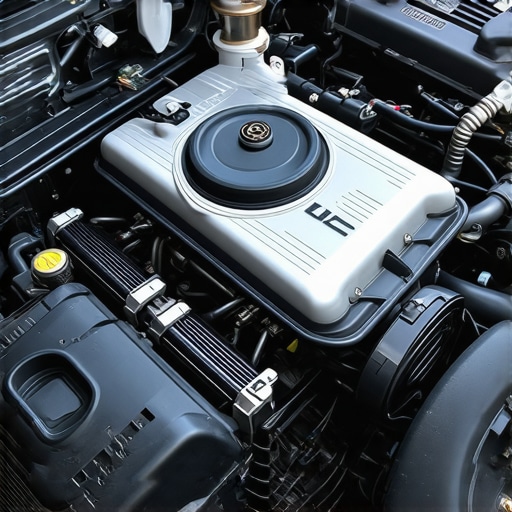
Ever been stranded in a parking lot, frustrated because your car refuses to shift smoothly, even though you’ve just had your brakes or oil changed? That lightbulb moment hit me one morning when my transmission suddenly shifted like a rough, stubborn mule—and I had just completed a standard service appointment. It was baffling, and I kept wondering, "What could really cause this, right after routine maintenance?" But then I discovered something surprisingly simple yet crucial: a faulty gas cap can cause your transmission to shift hard.
Why Overlooking the Gas Cap Can Lead to Big Transmission Troubles
Many car owners, including myself early on, dismiss the gas cap as a minor annoyance or just a fuel filler piece. However, it plays a vital role in maintaining the overall health of your vehicle. When the gas cap isn’t sealing properly, it can cause a vacuum leak in the system. This leak can trick the vehicle’s engine control unit (ECU) into thinking there’s a fuel vapor leak, prompting it to adjust engine parameters in ways that can indirectly affect your transmission’s performance.
Here’s the kicker: improperly sealed gas caps can lead to unburned fuel and pressure irregularities, which can make shifts feel harsh, jerky, or delayed. In some cases, this also triggers the check engine light, but many of us ignore it, assuming it’s just a minor issue. I learned the hard way that ignoring this simple part could lead to costly repairs down the line.
According to automotive experts, a loose or damaged gas cap can decrease your fuel efficiency, increase emissions, and adversely impact how your vehicle shifts and runs—making it more of a culprit than you might think. In fact, research shows that a significant number of maintenance issues stem from even small, overlooked parts like the gas cap.
Is Fixing the Gas Cap Really Worth the Effort?
It’s a fair question, and one I wrestled with myself. I used to think that such a tiny component couldn’t possibly influence big problems like transmission shifting. But my experience proved otherwise—replacing or tightening a faulty gas cap was one of the first steps that restored my vehicle’s smooth shifting and overall performance. Don’t underestimate the power of small parts. Want to learn more about common auto repair mistakes and how to avoid them? Check out auto repair hacks.
So, have you noticed your transmission acting up after your last fill-up? It might be a simple fix waiting to be discovered. Let’s dive into how this tiny component can cause such big problems and what you can do about it.
Inspect and Tighten Your Gas Cap
Start by ensuring your gas cap is properly sealed. Turn the cap clockwise until it clicks multiple times, indicating a tight fit. If the cap is damaged or the seal looks worn, replace it with a genuine or compatible replacement. I once had a stubborn cap that wouldn’t tighten fully, so I cleaned the threads with a rag and retightened it—immediately, I noticed my transmission shifting more smoothly. Remember, a loose or damaged gas cap can cause vacuum leaks affecting various engine parameters, including transmission performance. For guidance on troubleshooting other common issues, explore auto repair hacks.
Test the Gas Cap’s Effectiveness
After tightening or replacing the gas cap, drive your vehicle to see if the shift quality improves. If your check engine light was on, it might reset after a few drive cycles. Use an OBD-II scanner to clear any stored codes if necessary. This step mirrors the process of confirming if a brake bleed was successful—testing the fix in real-world conditions. I once borrowed a scanner from a local shop to verify my repairs; it prevented a costly trip to the mechanic. For more diagnostics tips, visit decoding vehicle diagnostics.
Monitor for Future Signs
Keep an eye on your dashboard for the next few days. If the check engine light reappears or transmission shifts roughly, further diagnostics might be necessary. Sometimes, a faulty gas cap masks underlying issues like a failing sensor. Regularly checking this small component can prevent bigger problems, akin to inspecting brake pads before they cause noise or vibration. If you want to learn more about proactive vehicle maintenance, see auto repair tips to extend lifespan.
Recommended Next Steps if Problems Persist
If tightening or replacing the gas cap doesn’t resolve shifting issues, proceed to more advanced diagnostics such as scanning for specific transmission faults. Consulting a professional can save time and prevent further damage. Remember, small parts like a gas cap have outsized impacts on vehicle performance, so treat each check seriously. For detailed diagnostic procedures, refer to advanced vehicle diagnostics.
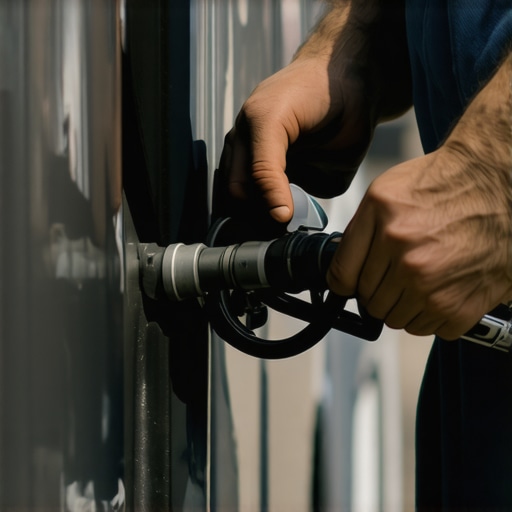 While many believe that sticking to basic auto maintenance routines guarantees vehicle longevity, the truth lies deeper in understanding nuanced details that often get overlooked. For example, common misconceptions about brake service can lead drivers astray, with some thinking that a simple pad replacement suffices, ignoring the importance of rotor condition or proper bedding procedures. Similarly, during an oil change, many assume that every synthetic oil equals the same protection, but advanced formulations can significantly impact engine health if chosen wisely. When it comes to vehicle diagnostics, relying solely on generic code readers can mislead you, overlooking hidden sensor failures or system interlinks that sophisticated diagnostics can uncover, as detailed in this comprehensive guide.
The Trap of Fixing Symptoms, Not Causes is a prevalent mistake. For instance, replacing a turbocharger after hearing a whistle might seem logical, but often the root lies in vacuum leaks or worn PCV valves, as discussed in this article. Many repair shops focus on immediate symptoms without diagnosing the underlying issue, leading to increased costs and recurring problems.
Have you ever fallen into this trap? Let me know in the comments.
Focusing on the nuances, like the importance of proper brake bedding to prevent rotor glazing or understanding the difference between oil change intervals for synthetics versus conventional oils, can prolong the life of your vehicle. Often, the most critical mistakes occur during what seems like routine procedures, highlighting the need for an expert eye and deeper knowledge—something I’ve cultivated through years of experience and continuous learning. For more insights into preventative strategies, explore this essential guide.
Remember, auto repair is as much about understanding the system as it is about fixing it. Overlooking small yet significant factors can lead to costly breakdowns. So, next time you pop the hood or schedule a service, consider whether you’re addressing just the surface or the core issue. Want to stay ahead of the curve? Check out top maintenance tips to keep your vehicle running smoothly.
Investing in Reliable Equipment for Long-Term Maintenance
Maintaining your vehicle’s performance requires more than just knowledge; it demands the right tools. I swear by a high-quality OBD-II scanner like the Energizor Pro 2000 because it provides comprehensive diagnostics and quick code decoding, saving me hours at the shop. For brake maintenance, a sturdy digital caliper ensures precise measurements of rotor thickness, helping me avoid unnecessary replacements. Regularly using a compression tester allows me to monitor cylinder health without expensive shop visits, especially when I suspect misfires or oil consumption issues. These investments have paid off, enabling me to diagnose and address problems early, thus extending my vehicle’s life.
Essential Software for Effective Vehicle Care
Beyond physical tools, I rely heavily on diagnostic software like this diagnostic platform to interpret complex vehicle systems. It syncs seamlessly with my scanner, providing real-time data and historical trends that help me spot declining components before they fail. For oil change planning, apps like MyCarMaintenance track recommended service intervals based on driving habits, which is crucial with the advent of synthetic oils that last longer. These digital tools empower me to maintain my vehicle proactively, rather than reactively.
Methodical Approach to Maintenance and Troubleshooting
I’ve found that a systematic approach, combining precise tools and data analysis, yields the best results. When diagnosing a rough idling issue, I start with a vacuum gauge test, an underrated tool that quickly reveals leaks. Next, I consult diagnostic codes and compare them with live data to identify sensor failures. Regularly scheduled checks—like inspecting the advanced diagnostic procedures—reduce the risk of unexpected breakdowns. Keeping detailed records of these checks helps track vehicle health over months and years.
Long-Term Benefits of Proper Tool Use
Consistently applying these practices pays off over the vehicle’s lifespan. Not only do I catch issues early, but I also optimize repairs—saving money and downtime. For example, performing regular brake rotor measurements with a caliper prevents uneven wear, ensuring safe stopping power remains intact. Additionally, leveraging diagnostic software helps me verify my work after repairs, like confirming the absence of codes post-oil change or sensor replacement. The long-term result? A reliable, safe vehicle that performs efficiently and lasts longer.
Predicting the Future of Vehicle Maintenance
As technology advances, I predict that diagnostic tools will become increasingly integrated with AI to predict failures before they happen. Machine learning algorithms analyzing vast data will guide us in scheduling maintenance precisely when needed, not just based on mileage intervals. This personalized, predictive maintenance will revolutionize auto care, reducing costs and improving safety significantly. Staying ahead of these trends requires adopting the latest diagnostic platforms and understanding their capabilities—something I recommend everyone to try now.
How do I maintain vehicle diagnostics over time? Make testing a routine
Developing a regular diagnostic routine—using your scanner and software monthly—can prevent minor issues from escalating. I suggest setting alerts for particular sensor readings or codes and keeping a repair log. This proactive strategy, combined with quality tools like a multimeter and a dedicated fuel pressure gauge, ensures your vehicle stays reliable. For deep insights into diagnostic best practices, visit auto repair hacks. Don’t wait for a warning light—be the one catching problems early. Try conducting a detailed sensor check using your scanner this weekend and see how small adjustments can lead to big savings.
What I Wish I Knew When Starting Auto Repairs
One of the most impactful lessons I learned early on was that seemingly insignificant parts, like a gas cap, can cause major performance issues—shifting harshness and poor engine response included. I used to dismiss these tiny components as trivial, but now I understand that neglecting them often leads to costly repairs down the line. This realization pushed me to adopt a more holistic approach to vehicle maintenance, paying attention to details most overlook. Knowing that a quick tighten or replacement can resolve stubborn transmission problems changed my entire perspective on auto repair.
Another insight is that diagnostics aren’t just about fancy tools—they’re about reading the clues your car gives consistently, not just during breaks or breakdowns. By regularly scanning and monitoring sensor data with reliable software, I detect early signs of trouble before they turn into emergencies, saving time and money.
Finally, I’ve learned the importance of patience and methodical troubleshooting. Jumping to conclusions or rushing through repairs often worsens the problem. Taking a step back, analyzing systematically, and utilizing quality tools makes a difference—transforming frustrating experiences into learning opportunities and successful fixes.
Tools and Resources That Changed My Perspective
My essential toolkit includes a trusted OBD-II scanner which provides instant insights into engine codes and sensor readings—crucial for proactive maintenance. I also rely on a precise brake caliper gauge to ensure my brake components stay within safe limits, preventing uneven wear and safety hazards. For deep diagnostics, advanced diagnostic platforms help me track vehicle health trends that aren’t obvious at first glance.
Beyond physical tools, I utilize maintenance tracking apps like MyCarMaintenance to stay on top of service intervals—especially important for synthetic oils that last longer and need just the right timing. These resources assist me in making informed decisions and prioritizing repairs, ultimately extending my vehicle’s lifespan.
Your Move: Become a Confident Car Care Enthusiast
Taking control of your auto maintenance journey can be empowering and financially rewarding. Embrace the routine diagnostics, invest in quality tools, and learn to listen to your vehicle’s subtle signs. Remember, small improvements today can prevent big headaches tomorrow. Whether it’s tightening a gas cap or interpreting a warning code, every step takes you closer to safer, smoother driving. Ready to make your car a reliable partner? Start this weekend by checking your gas cap, and share your experience below—I love hearing how small fixes make a big difference in your auto repair adventures.