

Ever been caught in the middle of a drive when suddenly your steering wheel emits a high-pitched whine? It’s almost like your car is complaining right at the worst possible moment. I remember the first time I heard that shrill sound after starting my engine—a noise that would disappear after a few minutes, leaving me confused and a little concerned. That experience was a lightbulb moment for me, revealing just how common and seemingly harmless this issue can be, yet also how frustrating and confusing it is for car owners.
My First Encounter with the Power Steering Whine
It was a chilly morning, and I had just turned the key. The steering wheel immediately screeched so loudly I thought I’d need an emergency repair. But oddly enough, as the engine warmed up, the sound faded away. For months, that whine was my unwelcome companion during early drives, making me wonder if the entire system was on the verge of failure. It wasn’t until I decided to dig deeper that I learned this common issue isn’t typically a sign of an imminent breakdown, but rather something much simpler—yet it can be equally annoying for anyone behind the wheel.
Today, I’ll share exactly what causes that initial squeal and, more importantly, how you can fix it. No more guesswork—just straightforward advice that I wish I knew when I first faced this problem. If you’re tired of that screech every morning, keep reading. We’re about to untangle the mystery behind that first-minute whine and how you can resolve it for good.
Why Your Power Steering Whines at Startup and Disappears
This issue is quite common among vehicles, especially as they age. When you start your car, the power steering system is cold, and the fluid is thicker. The pump struggles a little, and that’s when you hear the high-pitched squeal. As the engine warms up, the fluid thins, the pump operates more smoothly, and the noise diminishes or stops altogether. Think of it as your car’s way of warming up to its own comfort zone.
Is It Just a Normal Part of the Warm-Up?
While it might seem like a mere quirk, that initial whistle can sometimes point to minor issues such as low power steering fluid, worn-out pump bearings, or even a loose belt. Early mistakes I made included ignoring the problem or assuming it was just normal during cold starts. However, regular maintenance—like checking the fluid level and inspecting belts—can prevent small problems from escalating. If neglected, these issues could lead to more expensive repairs down the road. Want to learn how to diagnose and fix common auto problems? Check out these top auto repair tips.
But before you dive into repairs, it’s vital to understand exactly what’s happening. Recognizing whether that whine is just a normal startup noise or a sign of something more serious can save you money and headaches. Future episodes will analyze techniques to verify and address these causes—so stay tuned. Now, let’s explore some of the biggest doubts car owners have about this common problem.
Check and Top Off Power Steering Fluid
Start by locating your vehicle’s power steering reservoir—usually a semi-transparent tank near the engine. Remove the cap and inspect the fluid level. If it’s below the recommended mark, add the specified type of power steering fluid. When I faced this issue on my car, a simple top-off immediately quieted the initial screech. Be cautious to use the right fluid—consult your owner’s manual or a trusted mechanic if unsure.
Inspect Drive Belts for Looseness or Wear
Next, examine the serpentine belt driving your power steering pump. Turn off the engine, open the hood, and look for cracks, fraying, or glazing on the belt. Gently press down to check for excessive slack. A loose or worn belt can slip during cold starts, creating that squeal. I once replaced a worn belt myself, which took about 30 minutes, and it solved the whine immediately. Tightening or replacing the belt is a straightforward fix that you can do with a basic wrench set.
Assess Power Steering Pump Condition
If fluid levels and belts are fine, the pump itself may be at fault. Listen closely while the engine runs—if you hear grinding or whining beyond the initial cold start, the pump bearings could be worn. To test, temporarily remove the drive belt (with the engine off), then manually rotate the pump pulley. Resistance or roughness indicates internal wear. Replacing a failing pump can be messy—it’s akin to changing a stubborn gear in a machine—so if you’re uncomfortable, it’s best to seek professional help or consult resources like auto repair hacks.
Examine for Vacuum Leaks or Cracks
Vacuum leaks can also cause high-pitched whines. Check hoses connected to the power steering system for cracks, disconnections, or leaks. Replace any damaged hoses—think of it as patching a leak in a water hose—to restore proper pressure. During my last fix, swapping out a cracked vacuum hose made the whistling disappear, saving me from a costly pump repair.
Schedule a Professional Diagnosis
If none of these steps resolve the issue, it’s wise to get a detailed diagnosis. Advanced vehicle diagnostics can pinpoint hidden problems like internal pump failures or sensor malfunctions. Regular diagnostic checks not only fix the current whine but also prevent future breakdowns, as described in these diagnostics tips. Remember, addressing the problem early often costs much less than waiting for a complete system failure.
Many car owners operate under misconceptions about essential services like brake maintenance, vehicle diagnostics, and oil changes. One widespread myth is that more frequent oil changes always lead to better engine health. While regular oil changes are crucial, recent advancements in synthetic oils have extended recommended intervals significantly, with some vehicles safely stretching beyond 7,500 miles. Relying solely on the old 3,000-mile rule can lead to unnecessary expenses, as outlined in this detailed guide.
Another common mistake is thinking vehicle diagnostics are only necessary when a warning light appears. In truth, proactive diagnostics can reveal hidden issues—such as vacuum leaks or sensor malfunctions—that haven’t yet triggered alerts but can cause major breakdowns later. Experts stress that understanding what your car is trying to tell you through decoding these signals is a game-changer, as discussed in this resource.
Regarding brake services, many believe they suffice with simple pad replacements. However, neglecting the importance of rotor condition and proper bed-in procedures can compromise safety and cause premature wear. The idea that brakes only need attention when squealing is flawed; regular inspections and proper maintenance routines ensure optimal performance, detailed in this comprehensive guide.
What advanced signs might indicate underlying issues before they become critical?
This is a question that separates novice car owners from seasoned DIYers and professionals. For instance, subtle vibrations during acceleration, a slight pulling to one side, or increased pedal travel can point to problems like uneven brake wear, suspension misalignment, or failing calipers. Recognizing these early symptoms, supported by data from automotive reliability studies, allows for timely intervention, saving money and preventing dangerous failures. To develop this skill, consider consulting this article for a deeper understanding.
So, next time you think a quick fix suffices or ignore warning signs, remember that true expertise involves understanding the nuanced workings behind these systems. Being informed can help you avoid costly repairs and ensure safety. Don’t fall into common traps—stay proactive in your vehicle maintenance. Have you ever fallen into this trap? Let me know in the comments or at our contact page. Keep learning, stay safe, and drive smart.

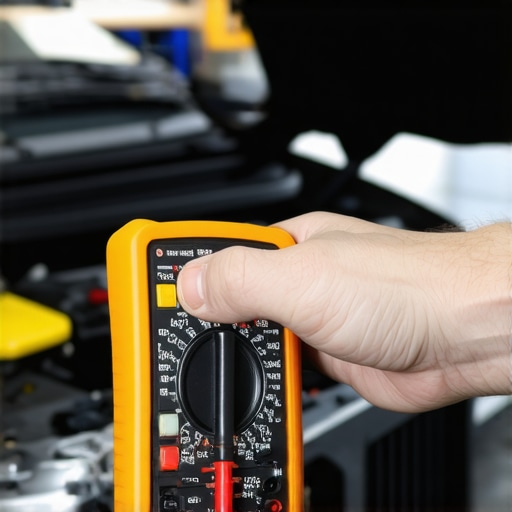
Keeping your vehicle in top shape requires more than just basic knowledge; it calls for the right tools and a systematic approach to maintenance. Over the years, I’ve refined my toolkit to include specific equipment that reliably delivers professional-grade results. One game-changer has been investing in a high-quality automotive multimeter, like the Fluke 115, which allows me to diagnose electrical issues swiftly, from faulty sensors to parasitic drain problems—saving me time and money. I also swear by a reliable code scanner such as the Innova 3160g, which communicates with most vehicle makes, providing real-time data on engine performance and fault codes. When combined, these tools give me a clear window into what my vehicle truly needs, ensuring that repairs are accurate and long-lasting.
For fluid maintenance, I use a digital fluid extractor, which simplifies oil changes, especially on vehicles with challenging drain plug access. It minimizes mess and ensures I remove the right amount of old oil, reducing the risk of engine wear. When it comes to brake service, a precision caliper gauge helps me measure rotor thickness accurately and avoid unnecessary replacements. Knowing exactly when to replace rotors prevents brake fade and ensures safety over the long term.
Beyond hardware, I rely on specific software to track maintenance schedules and diagnostics. Using a cloud-based vehicle maintenance app like AutoMate allows me to set reminders for oil changes or brake inspections based on my car’s mileage and conditions. This proactive approach helps prevent small issues from becoming costly repairs, aligning with strategies outlined in our top auto repair tips.
When it comes to diagnostics, I prefer comprehensive scan tools that connect via Bluetooth to my smartphone, providing detailed reports and troubleshooting assistance. These tools often update their databases regularly, incorporating data from automotive experts. Staying abreast of the latest diagnostic patches is vital because vehicle technology evolves rapidly, as explained in this resource.
Looking ahead, I predict that vehicle diagnostics will become increasingly AI-driven, offering predictive insights before warning lights even turn on. For the DIY enthusiast or professional, embracing these innovations will be crucial for effective, cost-efficient maintenance. I recommend trying out a comprehensive diagnostic tool that interfaces with your smartphone—if you haven’t done so, now might be the perfect time to upgrade your toolkit for smarter repairs.
How do I maintain my auto repair tools over time?
To keep your tools performing accurately, regular calibration and cleaning are essential. For example, I calibrate my multimeter every six months, following manufacturer guidelines, to ensure measurements remain precise. Greasing moving parts on tools like torque wrenches and replacing worn-out batteries extend their lifespan. Proper storage in a dedicated toolbox prevents damage and keeps components organized, saving time during repairs. Just like vehicle maintenance, a consistent tool care routine ensures your investment pays off, making every repair more predictable and reliable. For detailed guidance, check out auto repair hacks and incorporate these habits into your routine.
If you’re ready to take your maintenance skills up a notch, I challenge you to select one diagnostic tool mentioned here and learn its advanced features. Properly used, this investment can reduce your reliance on costly mechanic visits and give you more confidence behind the wheel. Remember, tracking your vehicle’s health proactively—and maintaining your tools diligently—are the keys to long-term reliability and safety.
The Hardest Lesson I Learned About Auto Repair and Diagnostics
One of the most eye-opening lessons I uncovered was realizing that seemingly minor issues like a cold-start squeal can tell you a lot about your vehicle’s health. I used to ignore that initial guine, thinking it was just normal, but over time, I learned that addressing it early saves significant money and stress. This taught me that no symptom should ever be dismissed, especially when it appears consistently during specific conditions.
How I Discovered My Tools Could Prevent Major Repairs
Investing in quality diagnostic tools was a game-changer. I found that a reliable multimeter and a good code scanner not only help identify issues quickly but also empower me to understand my vehicle better. This hands-on knowledge reduced my dependency on mechanics and boosted my confidence in performing essential maintenance that lasts longer than the typical quick fix.
The Unexpected Cost of Ignoring Warnings
I once hesitated to check my power steering fluid, assuming low levels weren’t urgent. That mistake led to a pump failure that cost me hundreds. Since then, I’ve learned that small checks—like fluid levels and belt conditions—prevent bigger failures. proactive monitoring, including staying informed through trusted resources, is the secret to longevity and safety for your vehicle.
Curiosity Transforming Into Skill
What initially started as curiosity about that squealing sound turned into a skillful practice of diagnosing and fixing issues before they escalate. My journey taught me that understanding your car’s systems is empowering and necessary. If you’re eager to get off the DIY troubleshooting rollercoaster, start small, use the right tools, and keep learning.
Want to Level Up Your Auto Care Journey?
By now, you’ve seen how knowledge and tools can dramatically change your experience as a car owner. Embrace the complexity and treat your vehicle as a trusted partner. For a comprehensive start, check out top auto repair tips and gradually build your toolkit. Remember, every minor fix and check-up not only saves money but also adds to your confidence behind the wheel.
Your Turn to Try
Have you ever overlooked a small warning sign that turned into a costly repair? Share your story below and let’s learn from each other’s experiences. The more we understand, the better we take care of our vehicles and ourselves.