
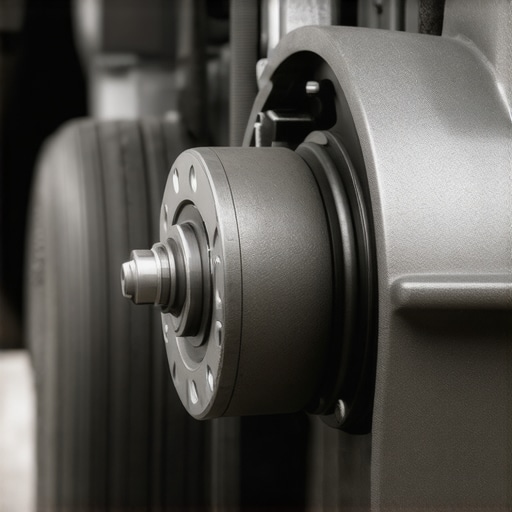
Ever been creeping through a parking lot or inching forward at a stoplight, only to be greeted by that relentless groan from your brakes? It’s a sound that can make your stomach tighten, especially when you realize it’s only happening at those slow speeds. I remember the first time it happened to me—it caught me off guard and had me questioning everything about my car’s health. That moment sparked a journey into understanding what’s really going on under the hood.
Cracking the Mystery: Why Do Brakes Moan at Low Speeds?
The truth is, that groaning isn’t just annoying—it’s often a sign that something needs attention. Believe it or not, most of the time, it’s related to brake pad wear, dust accumulation, or even minor corrosion forming on the rotor surfaces. Once I figured out how to diagnose these issues myself, I save money and avoid unnecessary repairs. Today, I want to share exactly what I’ve learned, so you can understand why your brakes behave that way and, more importantly, what steps to take.
Is This Just Normal Noise or a Warning Sign?
At first, I thought it was just a quirky quirk of my car. But I soon learned that persistent groaning when stopping at low speeds is often a warning sign—not normal noise to ignore. The key is attitude—waiting too long to address it can lead to worse problems down the line, like rotor damage or brake failure. I made the mistake early on of dismissing minor sounds, which eventually cost me more. For more common myths about brake maintenance, check out our brake service myths busting article.
But don’t worry—identifying the cause isn’t complicated, and I’ll walk you through it step by step. Whether it’s dust, corrosion, or worn pads, understanding these clues can prevent bigger headaches. So, if you’ve ever wondered why your brakes chirp or groan at low speeds—and whether that sound is just a normal part of driving or something more serious—you’re in the right place. Ready to unravel this mystery and keep your brakes quiet and reliable? Let’s dive into the details.
End your confusion and start taking control of your vehicle’s safety today. Have you noticed this noise on your own car? It might be time to do a little detective work. And if you’re unsure whether your brake issue warrants a professional check, remember you can always contact a trusted mechanic through our contact page for expert guidance.
Start with a Visual Inspection of Brake Components
First, park your car on a flat surface, turn off the engine, and engage the parking brake. Remove the wheels to access the brake assembly, using a jack and lug wrench. Visually examine the brake pads for uneven wear, cracking, or excessive thinning—think of it like checking the treads on a tire for balance. While inspecting, look for rust or corrosion on the rotors, which can cause that groaning sound at low speeds. I once found a layer of rust thick enough to make a squeaking noise when I moved the rotor manually, which when cleaned, instantly improved brake noise. If the pads are worn past the minimum thickness or uneven, replacement is necessary. Learn more about the importance of brake service at this comprehensive guide.
Check the Brake Pads and Shims
Remove the clips or shims that hold the brake pads in place. These small metal or rubber pieces prevent vibration and noise in the braking system. If they are damaged, missing, or contaminated with debris or dust, they can cause that groan at low speeds. Just like a loose guitar string, a misplaced shim creates unwanted noise. During my DIY repair, replacing the shims and cleaning the pads with brake cleaner resolved the groaning without replacing the pads. Ensure that the shims are in good condition and properly lubricated with high-temperature brake grease—this reduces vibrations and prevents noise. For more detailed steps, consider reviewing our brake myths busting article.
Assess Rotor Surface for Damage or Dirt
With the wheel off, rotate the rotor manually to observe surface conditions. Light rust or dust can cause noise but are easy to clean. Use a clean Scotch-Brite pad or brake cleaner spray to remove loose rust and debris. If the rotor surface is scored, grooved, or warped, it will cause vibrations and noise at low speeds—similar to a wobbly spinning top. In a past project, I polished a heavily grooved rotor with a fine abrasive pad, which temporarily reduced the noise. However, if grooves are deep or the rotor warps easily, replacing the rotor is the best course of action. Proper rotor maintenance ensures smooth braking and quiet operation. For preventive measures, consult tips for extending your vehicle’s lifespan.
Test Brake Functionality in a Controlled Environment
After reassembling the brakes, perform a test in a safe area—like an empty parking lot—by gently pressing the brake pedal from a low speed. Pay attention to the sound and pedal feel. If the groan persists, double-check the pad and rotor contact points for correct installation or debris. Listen for any abnormal vibrations or sounds. I once found that the noise disappeared after I applied a light coating of high-temperature brake grease to the back of the pads, which minimized metal-to-metal contact. If problems continue despite these fixes, it might be time for professional diagnostics—consider referencing our vehicle diagnostics guide.
Seek Professional Assistance When Needed
If you’ve gone through these steps and the groan remains, don’t hesitate to contact a trusted mechanic. Complex issues like warped rotors or a sticking caliper require expert tools and experience. Remember, proactive maintenance not only silences the noise but also prevents serious damage. You can reach out to professionals through our contact page for thorough diagnostics and repairs. Always prioritize safety—a quiet, reliable brake system is essential for confident driving.
Many drivers believe that routine auto maintenance is straightforward: change the oil, replace brake pads when squeaking, and trust that the mechanic knows best. However, this common mindset often leads to misconceptions that can jeopardize your vehicle’s longevity and safety. One misbelief is that all brake service recommendations are universally applicable, but in reality, the nuances of your car’s condition demand tailored solutions. For instance, a standard brake pad replacement may overlook underlying rotor issues or caliper problems that a seasoned technician detects during a comprehensive inspection. Relying solely on generic advice can mask subtle signs of impending failure, leading to costly repairs down the line.
Why do many assume that a quick oil change is all their engine needs?
There’s a prevalent myth that oil changes are a simple matter of draining old oil and filling in new. While that’s technically true, modern engines benefit from more advanced techniques. For example, synthetic oils and oil additives can significantly improve engine performance and longevity if used correctly, but many neglect these options. Moreover, overlooking associated components—like replacing the oil filter or inspecting the PCV valve—can undermine the benefits of a routine oil change. According to automotive experts, neglecting these finer points often results in oil contamination or increased engine wear, defeating the purpose of regular oil maintenance. Interested in leveraging the latest advancements? Check out these oil change innovations.
Another widespread misconception is that vehicle diagnostics are only necessary when a check engine light activates. However, skilled technicians use advanced diagnostic tools—like those explained in vehicle diagnostics decode—to uncover issues that aren’t yet visible or audible. This proactive approach can identify problems like impending sensor failures or fuel system irregularities before they manifest as larger failures or unsafe driving conditions. Regular diagnostic checkups, especially with modern onboard systems, act as preventive health screenings for your car, saving you time and money.
One trap to watch out for is assuming that all auto repairs are equal in quality. Many drivers fall prey to quick fixes or cheap parts, believing they’re saving money. But, as emphasized in auto repair hacks, investing in genuine parts and skilled labor yields better long-term results. Skipping proper diagnostics or opting for low-cost repairs often leads to recurring issues and higher costs over time. Therefore, cultivating a relationship with a reputable mechanic who employs the latest diagnostic techniques can provide peace of mind and extend your vehicle’s lifespan.
In sum, understanding the hidden nuances of auto repair ensures you’re not misled by common myths or superficial fixes. Embracing advanced diagnostics, personalized maintenance strategies, and quality parts is key to maintaining safety and performance. Have you ever fallen into this trap? Let me know in the comments and share your experiences. Remember, proactive knowledge is your best vehicle to avoid costly surprises on the road.
Keeping It Working with Precision Tools
Maintaining your vehicle’s performance requires more than just basic knowledge; it demands the right tools. Personally, I rely heavily on a high-quality digital multimeter for diagnosing electrical issues. Its precision allows me to quickly test battery voltage, alternator output, and sensor signals, ensuring I catch problems early before they escalate. An advanced scan tool is another indispensable device—models like the Autel MaxiSys simplify vehicle diagnostics, enabling real-time data reading and code clearing with minimal fuss. Investing in these tools has transformed my approach to auto repair, turning complex troubleshooting into manageable tasks.
For routine brake inspections, I use a dedicated brake caliper piston tool. This specialized equipment helps me service brake components without damaging delicate parts, ensuring smooth operation over time. Combining these tools with a reliable set of ratchets and wrenches, I can handle most repairs in my driveway, saving both time and money.
Embracing Software for Long-Term Results
Software plays a crucial role in modern vehicle maintenance. I typically connect my diagnostic scanner software to a laptop or tablet, using it to track vehicle history, monitor sensor data, and pinpoint issues before they become severe. Programs like OBD Auto Doctor provide detailed reports, which are invaluable when planning repairs or upgrades. As automotive technology advances, staying up-to-date with the latest software updates from equipment manufacturers ensures compatibility and access to the newest diagnostic features.
Furthermore, I utilize service manual apps that include step-by-step procedures, torque specifications, and troubleshooting tips. This digital reference reduces the risk of mistakes and accelerates repairs, making maintenance more predictable and effective.
How do I keep my tools and methods in top shape?
Proper maintenance of your tools involves regular calibration, cleaning, and storage. For electronic devices like multimeters, I calibrate annually using certified standards and keep batteries fresh to ensure consistent readings. Mechanical tools require thorough cleaning after use—blowing out debris, applying lubrication, and checking for wear extend their lifespan and maintain safety. Investing in quality tool storage, such as a rolling toolbox or wall-mounted pegboard, keeps everything organized and accessible, reducing the chance of damage or loss.
Looking ahead, I predict that vehicle diagnostics will increasingly incorporate artificial intelligence. AI-driven software could diagnose problems faster and more accurately by analyzing vast data sets, making proactive maintenance a reality for everyday drivers. Staying ahead means embracing these technological shifts, and I recommend trying out the latest diagnostic apps to get a feel for how they can enhance your maintenance routines.
What’s the best way to stay on top of vehicle diagnostics over time?
One effective strategy is to schedule periodic diagnostic scans, even when no warning lights are on. This proactive approach catches issues early, much like regular health checkups. Regularly updating your diagnostic software and firmware ensures compatibility with new vehicle models and features. Additionally, participate in online forums or communities focused on automotive repair; sharing experiences and tips can introduce you to innovative tools or methods that save time and improve results.
Remember, the right tools combined with consistent maintenance practices can significantly extend your vehicle’s lifespan. For example, integrating an advanced scanner like the one explained in auto repair hacks helps identify subtle issues early, avoiding costly breakdowns.
Finally, don’t hesitate to reach out to professionals for complex diagnostics or repairs. Using tools effectively is vital, but some problems require a seasoned eye. Head over to our contact page if you need expert assistance—and challenge yourself to try out these advanced diagnostic tips to sharpen your auto maintenance skills today.
What I Wish I Knew Before Ignoring That Brake Moan
My first encounter with the persistent brake groan taught me that ignoring subtle signals can lead to costly repairs. The real lesson was understanding that that squeal often signals needing attention, not just an annoying noise. Often, it’s a sign of worn brake pads or rust buildup, which, if caught early, can save you from rotor replacements. Recognizing this early has made a significant difference in maintaining vehicle safety and performance.
Sharp Tools Save Big Bucks When Dealing With Hidden Car Troubles
Investing in a good diagnostic scanner and quality hand tools changed my approach to auto repair. These tools help identify issues before they become emergencies. For example, a simple multimeter can reveal electrical quirks that cause rough idling, preventing unnecessary part replacements and saving hundreds. They empower you to troubleshoot confidently and catch issues early, often avoiding a costly mechanic visit.
Why Relying Solely on a Mechanic Can Limit Your Car Knowledge
Understanding the basics of vehicle diagnostics and maintenance has been a game-changer. It makes me more confident during repairs and saves money. Vehicles today are more complex, and having my own diagnostic tools—like the OBD scanner—allows me to read trouble codes remotely. This knowledge helps determine when a trip to the mechanic is necessary versus when I can tackle minor issues myself safely.
The Power of Routine Checks Before Things Go Wrong
Regular visual inspections of brake components and rotor surfaces have shown me how small issues—like rust or uneven pad wear—can be addressed before they cause noise or braking problems. Scheduling occasional diagnostics and inspections enhances safety and keeps the vehicle performing at its best. This proactive approach means fewer surprises and peace of mind on the road.
The Link Between Proper Maintenance and Vehicle Longevity
Consistent, detailed care—rather than neglect—has extended my car’s lifespan significantly. Knowing when to replace brake pads, clean rotors, or update diagnostic software ensures that my vehicle remains reliable. Plus, understanding that modern tools and techniques can detect issues early—sometimes even before symptoms appear—is invaluable. Being proactive rather than reactive makes all the difference.
Curated Gear and Resources That Changed My Auto Journey
- Autel MaxiSys: A comprehensive diagnostic tool I trust for real-time data and code clearing. Its ease of use has demystified vehicle troubleshooting.
- Brake Cleaner and Scotch-Brite Pads: Simple but effective for cleaning rust and debris off rotors—crucial for quiet braking and longevity.
- Online Auto Communities: Forums and social groups provide shared experiences and troubleshooting tips that are invaluable for DIY enthusiasts.
- Service Manuals and Apps: Digital references like repair manuals streamline repairs, offering step-by-step guidance and torque specs directly on my devices.
Seize Your Auto Potential—Take the Helm Today!
The insights I’ve gained about brake maintenance and vehicle diagnostics have empowered me to care for my car more confidently. Remember, investing in good tools and knowledge can transform your DIY repairs from guesswork into precise action. Safety and performance are within reach—why not start now? Your car—and your wallet—will thank you.
Have you ever hesitated to check your brakes or tried diagnosing a mysterious noise? Share your experiences below and let’s learn together!
,