
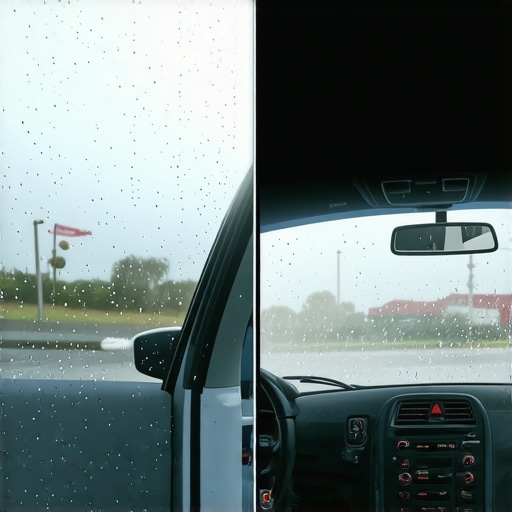
There was a moment during last winter’s cold snap that made me stop in my tracks. I was rushing to leave for work, heated edges of my windshield already fogging up the moment I turned on the heater. Frustration bubbled up as I fumbled with the defrost, trying to clear the wavy haze. That tiny, stubborn fogging turned into a daily ritual I couldn’t ignore. It felt like my car was fighting me every morning, and I knew I wasn’t alone in this strange, foggy battle.
Decoding the Mystery of Foggy Car Interiors
Many drivers experience this issue without fully understanding why it happens. The simple truth is: when warm air hits the cold glass, moisture condenses—creating the fog. But there’s more to it, especially when the fog stubbornly lingers, obscuring your view and risking safety. Knowing what causes this fog can save you time, hassle, and potentially dangerous situations on the road. Today, I’ll share what I’ve learned from my own mishaps and guide you through practical solutions that work.
Does This Productively Solve Your Fogging Woes or Just Mask Them?
Early on, I made the mistake of relying solely on the defrost button, expecting it to magically clear everything up. Turns out, I wasn’t addressing the root cause, just the symptom, which only made the fog come back faster. Recognizing this mistake helped me explore deeper insights into vehicle ventilation, humidity control, and the importance of maintaining your HVAC system. Expert insights confirm that improper ventilation and poor sealing can intensify interior fogging, and addressing these issues can significantly improve visibility (source: [repairmycarpro.com](https://repairmycarpro.com/auto-repair-hacks-save-money-without-sacrificing-quality)). So, before you reach for that windshield wiper again, let’s look at what’s really going on inside your car and how you can take effective action. Stay tuned—your clear view is just a few steps away.
Improve Ventilation to Clear Fog Fast
Start by opening all your windows slightly to create cross-ventilation. It disperses humid air and replaces it with drier outside air, which helps eliminate fog. I once parked my car in the driveway, cracked all the windows overnight, and the fog was gone by morning, making my commute much safer.
Use the Defrost Setting Wisely
Turn your climate control to defrost and set the temperature higher than outside. Turn the A/C on if available—this dehumidifies the air, removing moisture that causes fog. I learned this trick after noticing my windshield fogging up even when the heater was on; activating A/C reduced the moisture quickly and improved visibility.
Employ Fresh Air Intake and Cabin Filters
Ensure your vehicle’s fresh air intake is open and that cabin filters are clean. Blocked filters trap moisture and pollutants, worsening fogging. I replaced my cabin filter myself using instructions from auto repair hacks, which immediately improved air quality and reduced interior fog.
Keep Glass Surfaces Clean
Regularly wipe down interior windows with a mixture of water and vinegar—avoid harsh chemicals. Dirt and oil buildup can make it harder for moisture to escape, prolonging fogging. Once, I cleaned my windshield thoroughly, and it stayed clear longer, especially during humid mornings.
Address Persistent Humidity with Moisture Absorbers
Place moisture-absorbing packs or silica gel in your car to reduce interior humidity levels. During winter, I kept a pack in the glove box and noticed less fog formation on cold mornings. This simple step helps maintain a balanced humidity level, preventing condensation buildup.
Check for Vehicle Leaks or Seal Failures
If fogging persists despite these measures, inspect your doors and windows seals for leaks. Water intrusion can increase interior humidity dramatically. I once discovered a small tear in my door seal, which I repaired with weatherstripping adhesive from auto repair hacks. Fixing the seal kept moisture from seeping in and reduced fogging significantly.
Many car owners operate under misconceptions that can lead to costly mistakes. A common myth is that all auto repairs are equal in importance, but in reality, understanding the nuances can save you money and prevent unnecessary work. For example, many believe that an oil change is just about swapping out the oil, but modern oil change techniques show that using the right oil type and synthetic blends can significantly extend your engine’s lifespan.
Another trap is assuming that brake pads only need replacement when they squeal. Brake systems are complex, and advanced diagnostics reveal that subtle signs like vibration or a spongy pedal can indicate deeper issues, like warped rotors or caliper problems. Overlooking these can escalate repair costs and compromise safety.
Many believe frequent diagnostics are unnecessary unless the check engine light is on, but proactive vehicle diagnostics can detect hidden issues before they turn into breakdowns. Discover how state-of-the-art diagnostics catch problems early—saving you money and stress.
What critical nuances do experienced mechanics spot that most car owners miss?
It’s often overlooked that the order of repairs matters immensely. Fixing one component without considering the interconnected systems can lead to recurring faults. For instance, replacing a faulty fuel pressure regulator without addressing a clogged fuel filter might mean you’ll have to revisit repairs sooner than expected. Integrating a holistic approach is essential, as explained in auto repair strategies for frequent drivers.
Beware of quick fixes promoted online or by less scrupulous garages. They might mask symptoms temporarily but fail to solve the root cause—causing more damage down the line. This highlights the importance of choosing reputable service providers and understanding the technical subtleties involved. For example, incorrect brake bleeding can lead to spongy pedals—a dangerous mistake that even seasoned DIYers can make without proper knowledge. Learning these nuances is vital, and sources like auto repair longevity tips emphasize the importance of expert intervention.
In conclusion, the real expertise lies in recognizing that every component, every repair, and every diagnostic test has layers of complexity. Don’t fall for oversimplified advice—trust in detailed knowledge. Have you ever fallen into this trap? Let me know in the comments, and stay tuned for more insights to keep your vehicle running smoothly.
Maintaining your vehicle’s performance over years requires more than occasional repairs; it demands the right tools and a proactive approach. One essential piece of equipment I’ve personally relied on is a high-quality OBD-II scanner like the BlueDriver Bluetooth Pro. It allows me to perform comprehensive diagnostics from my smartphone, quickly identifying issues before they escalate. Regularly updating the scanner’s firmware ensures you’re equipped with the latest vehicle-specific data, which is crucial for accurate readings.
Invest in Precision with a Multimeter and Circuit Tester
While digital diagnostics are invaluable, a reliable digital multimeter remains a cornerstone for electrical troubleshooting. I prefer a true RMS multimeter because it provides precise voltage and current readings, helping me identify parasitic drain issues or faulty sensors. For quick checks on battery health, I use a mid-range multimeter to measure voltage at the terminals and verify proper charging voltage from the alternator, ensuring your vehicle’s electrical system remains stable over time.
Routine Calibration and Software Updates Improve Longevity
Modern vehicles depend heavily on software to manage critical systems like brakes and engine control modules. Keeping these systems updated via manufacturer-recommended software updates reduces bugs and enhances performance. Many professional tools, like the Snap-on SOLUS Edge, offer software update subscriptions that help maintain vehicle compatibility and safety features. Regular calibration of sensors—such as wheel alignment sensors—prevents uneven tire wear and maintains optimal handling, extending the lifespan of your suspension components.
Streamlined Maintenance with Vehicle Data Management
Using vehicle management software like Mitchell1 or ALLDATA can unify service history, recalls, and diagnostic data, streamlining your maintenance schedule. I’ve found that tracking oil change intervals, filter replacements, and system checks with these tools helps me stay ahead of potential issues. Staying organized ensures that you don’t forget critical service milestones, preserving vehicle value and safety.
Predicting Future Trends in Auto Maintenance
Looking forward, the integration of IoT sensors and AI-driven diagnostics promises to revolutionize how we maintain vehicles. Imagine a world where your car app detects early signs of wear and schedules service automatically. Embracing these technologies now, like adopting advanced diagnostic tools, prepares you for a more seamless, long-term ownership experience.
How do I keep my vehicle running smoothly over time?
Ensuring longevity involves not just using the right tools but also adhering to a disciplined maintenance routine. Regularly checking fluid levels, inspecting belts and hoses, and performing proactive diagnostics can prevent costly breakdowns. I recommend tackling your next brake inspection with a comprehensive approach—like reviewing brake service tips—to ensure safety and performance stay top-notch. Remember, investing in quality diagnostics and routine checks today saves you big tomorrow. Want to deepen your understanding? Consider learning more about vehicle diagnostics to catch issues early and avoid unexpected repairs. One effective method is to regularly scan your vehicle’s systems and interpret fault codes with tools like decoding vehicle diagnostics. Start small: run a diagnostic scan this week and see what insights you uncover—it’s an empowering step toward keeping your vehicle at its best.
The Unexpected Wisdom Beneath the Surface of Auto Repairs
One of the most eye-opening lessons I learned about vehicle maintenance is that paying attention to small signs can prevent big problems. For example, I used to dismiss minor fogging or quirky HVAC behavior as just nuisances, but I realized they were early alerts of deeper issues—like seal failures or increased interior humidity—that could escalate into costly repairs. Recognizing these subtle cues taught me to stay proactive rather than reactive, saving both time and money in the long run. Remember, what may seem insignificant today could be the root of a major breakdown tomorrow.
Tools That Turn Maintenance Into Confidence
Over the years, I’ve come to rely on specific tools that empower me to diagnose and fix issues confidently. My trusted OBD-II scanner, like the BlueDriver Bluetooth Pro, helps me catch faults early—saving me from surprises on the road. Pairing this with a versatile multimeter enables precise electrical troubleshooting, especially when dealing with sensors or wiring problems affecting your vehicle’s defrost system. Combining these tools has transformed my approach from guesswork to certainty, ensuring safety and performance every step of the way.
Taking Control of Your Vehicle’s Future
The automotive world is rapidly evolving with innovative diagnostics and smart tech integration—like AI-driven maintenance alerts or IoT sensors that monitor your car in real-time. Embracing these advances now, whether through training or simply staying informed, allows you to stay ahead of vehicle issues. It’s about shifting from repair-centered thinking to a maintenance-first mindset, where regularly scheduled diagnostics and proactive checkups preserve your car’s health. My advice? Start small—integrate periodic scans and inspections—and watch your confidence grow, keeping your vehicle in peak condition for years to come.