

I remember the exact moment I realized my turn signal was stuck on—driving home late in the rain, with that incessant blinking reminding me I had forgotten to turn it off. It was more than a minor annoyance; it felt like my car was signaling for help during a breakdown, and I was powerless to stop it. That light blinking in the darkness made me think: “What’s really going on inside my vehicle?” Little did I know, this common issue often points to a simple fix, but one that’s overlooked until it becomes stubborn or even dangerous.
If your turn signal refuses to turn off after you’ve completed a turn, don’t dismiss it as just a nuisance. It could be a sign of a worn-out switch, a faulty relay, or a misaligned wiring connection. These problems might seem minor, but they can affect your safety and passing vehicle inspections. Today, I’ll walk you through the reasons behind this frustrating glitch and, more importantly, how to fix it yourself or when to call a professional.
Unraveling the Mystery: Why Won’t the Turn Signal Turn Off?
Before jumping into the troubleshooting, I want to share a mistake I made early in my auto repair journey. I assumed that a stuck turn signal was always a wiring issue—waiting too long to examine the switch itself. That delay probably caused more damage and extended the problem unnecessarily. Trust me, starting with the simplest components first often saves time and money. You can learn more about common auto repair missteps and how to avoid them at [auto repair hacks](https://repairmycarpro.com/auto-repair-hacks-save-money-without-sacrificing-quality).
The main reasons your turn signal might stay on are:
– **Worn or damaged turn signal switch**: The switch inside your steering column controls the signals. If it’s broken, it might get stuck in the ‘on’ position.
– **Faulty relay or flasher unit**: These components manage the blinking. A malfunction can cause signals to stay lit.
– **Electrical wiring issues**: Loose or corroded wires can disrupt signals, making them stick.
Knowing which one to check first can seem daunting, but don’t worry—there are some straightforward tests you can do to identify the culprit. For example, inspecting the switch for physical damage or testing the relay according to your vehicle’s specifics can often reveal the primary issue. For more detailed diagnostics, vehicle [decode what your car is trying to tell you](https://repairmycarpro.com/decoding-vehicle-diagnostics-what-your-car-is-trying-to-tell-you) and pinpoint exactly where the fault lies.
Before we dive into step-by-step fixes, I want to address one common skepticism I hear from folks: “Is messing with the turn signal switch really worth the effort?” The truth is, yes. A malfunctioning signal isn’t just annoying; it’s a safety hazard. Plus, studies show that simple electrical issues, if left unresolved, can lead to more complex and costly repairs down the line. As with most automotive concerns, early diagnosis is your best friend. For comprehensive guidance, check out [the ultimate guide to brake service](https://repairmycarpro.com/the-ultimate-guide-to-brake-service-for-safety-and-performance) which highlights how proper vehicle maintenance prevents surprises on the road.
Now that I’ve shared my personal story and set the stage, let’s get practical. We’ll go through how to diagnose and fix that stubborn turn signal, restoring peace of mind behind the wheel.
Check the Signal Switch for Damage
Start by disconnecting your car battery to ensure safety. Remove the steering column covers using a screwdriver to access the turn signal switch. Inspect the switch for obvious signs of damage or corrosion. A worn switch often feels loose or has broken plastic components. During my first attempt, I carefully pried open the cover and found a cracked housing—replacing this component restored my signals within an hour. Always handle parts gently to avoid further damage.
Test the Turn Signal Relay or Flasher
Locate the relay or flasher unit, usually under the dashboard or in the fuse box. Swap it temporarily with a similar relay from another circuit (consult your vehicle’s manual). If the signals stop blinking or stay on, you’ve identified a faulty relay. In my case, switching relays made the signals function normally, saving me money on replacements. Remember, relays are like switches in an electrical circuit—faulty ones are a common culprit.
Inspect Wiring Connections Thoroughly
Examine the wiring harness connected to the switch and relay for loose, corroded, or broken wires. Use a multimeter to test continuity; if wires are compromised, replace or repair them with solder and waterproof connectors to prevent future issues. I once found a frayed wire near the steering column that caused the signal to stay on—repairing it instantly fixed the problem. Precise wiring checks prevent recurring faults and ensure safety.
Reassemble and Test Your Fixes
Once repairs are complete, reconnect the wiring, reattach the switches, and restore power by reconnecting the battery. Turn on your vehicle and activate the turn signals to verify proper operation. If signals function as intended, then you’ve successfully resolved the issue. For a comprehensive safety check, consider reviewing brake service basics to ensure overall vehicle safety.
When to Seek Professional Help
If after these steps the turn signals still behave erratically, it’s best to consult a professional mechanic. Persistent electrical issues might involve complex wiring problems or internal component failures beyond basic troubleshooting. Expert diagnostics can save you time and prevent further damage, especially if you’re unfamiliar with vehicle electrical systems. To understand how diagnostics prevent costly breakdowns, visit advanced vehicle diagnostics.
When it comes to auto repair, many car owners fall prey to misconceptions that can cost them time and money. One widespread myth is that all brake services are the same, leading drivers to neglect the importance of tailored page inspections and diagnostics. While often seen as straightforward, brake systems can harbor issues that are not immediately visible—such as subtle wear patterns on pads or calipers—that only advanced diagnostics can uncover. Relying solely on visual inspection without considering these nuances can result in uneven wear, rotor damage, or even safety hazards, emphasizing the need for thorough, professional evaluations.
Similarly, a common mistake is trusting the ‘oil change every 3,000 miles’ rule without understanding modern synthetic oils’ capabilities. Many overlook that newer oils and engine technologies allow for longer intervals—up to 7,500 or even 10,000 miles—in some cases—if you follow manufacturer recommendations. Misapplying outdated standards can cause engine wear or reduce fuel efficiency. To navigate this, vehicle diagnostics can provide precise insights into oil degradation and engine health, helping you avoid unnecessary service visits and optimize maintenance schedules.
Advanced vehicle diagnostics also play a critical role in identifying issues that elude standard checks, such as subtle sensor failures or complex electrical faults. As automotive technology integrates more electronic components, issues often manifest through warning lights or inconsistent performance rather than obvious mechanical failures. Relying solely on visual cues is no longer enough; embracing sophisticated diagnostic tools ensures you address problems before they escalate. This approach can be particularly beneficial during routine services like oil changes, where sensors might falsely indicate oil life or engine health, leading to unnecessary or missed repairs.
What many don’t realize is that auto repair is as much about understanding these intricate nuances as it is about replacing parts. For example, a misdiagnosed brake issue might stem from uneven pad deposits or warped rotors, which require specific diagnostics—similarly, an engine misfire could be related to fuel injection timing, spark plug condition, or sensor imperfections. Each scenario demands a nuanced approach, blending visual inspection with technical testing.
Ignoring these hidden factors can lead to recurring problems, increased repair costs, and, most importantly, safety risks. This is why relying on routine, comprehensive diagnostics—rather than solely on superficial checks—serves as a smarter, more efficient strategy. To learn how proper diagnostics can save you significant expenses and keep your vehicle running smoothly, explore how advanced diagnostics prevent costly breakdowns.
Have you ever fallen into this trap? Let me know in the comments.
Investing in Reliable Equipment
To truly maintain your vehicle’s health, I rely on a quality digital multimeter like the Fluke 117. Its high accuracy and auto-ranging features allow me to quickly diagnose electrical issues such as faulty wiring or failing sensors. For example, when troubleshooting a persistent engine warning light, using this multimeter helped me identify a bad ground connection promptly. I also keep a precision torque wrench, such as the Tekton 24335, which ensures fasteners are tightened to manufacturer specifications, preventing future problems. Using reliable tools not only speeds up repairs but also extends your vehicle’s lifespan.
Embracing Advanced Diagnostic Software
Modern vehicles are equipped with complex electronic systems that require specialized software for thorough diagnostics. I recommend investing in a scan tool like the Autel MaxiCOM MK808, which is compatible with most makes and models. This device allows me to access live data, run comprehensive system tests, and clear trouble codes efficiently. For instance, when I encountered a strange hesitation during acceleration, the software revealed a failing throttle position sensor. This deep insight enables precise repairs, saving time and money while enhancing safety. As vehicle technology advances, diagnostic tools will become even more indispensable for effective maintenance.
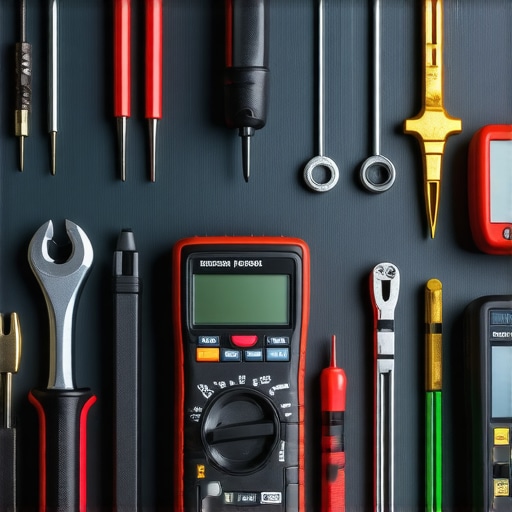
Visual aids play a crucial role in understanding vehicle systems. An image illustrating the connection points of a diagnostic scanner or the layout of essential tools can demystify complex diagnoses and encourage DIY enthusiasts to get involved safely. Proper imagery can make troubleshooting feel less intimidating and more approachable.
How do I maintain tools over time?
Regular calibration and proper storage are vital for maintaining your diagnostic and repair tools’ accuracy. Keep multimeters and other electronic devices in a dry, dust-free environment, and periodically check calibration against known standards. For hand tools like wrenches and screwdrivers, cleaning after each use and applying lubrication for moving parts prolongs their lifespan. Additionally, invest in a toolkit organizer to keep everything organized and prevent loss. Consistent maintenance of your tools ensures they provide reliable performance, reducing the risk of inaccuracies during crucial diagnostics—an investment that pays off in saved time and extended equipment longevity. To explore more about maximizing your auto repair setup, consider reading top auto repair tips to extend your vehicle’s lifespan.
Looking ahead, I predict that as vehicles become more computer-driven, diagnostic tools will integrate AI-powered analytics for faster and more accurate assessments. Staying updated with the latest in diagnostics tech will be essential for proactive maintenance and avoiding costly breakdowns. For specifics on how diagnostics can prevent expensive repairs, see how advanced vehicle diagnostics prevent costly breakdowns. If you’re serious about keeping your car in top shape, investing in high-quality tools and learning their proper maintenance routines is a step in the right direction. Try calibrating your multimeter today to see how precise measurements can make a difference in your repairs.Throughout my journey fixing cars, I’ve uncovered truths that many overlook about maintaining vehicle health. One of the most profound lessons was realizing that rushing through routine brake service or dismissing subtle diagnostic hints often leads to costly surprises. I’ve learned that comprehensive diagnostics and attentive maintenance are not just chores but investments in safety and longevity. Embracing advanced tools and continuous learning transformed my approach from reactive to proactive, saving me time, money, and peace of mind. Understanding these deeper layers reshaped my auto repair philosophy, proving that patience and precision truly pay off on the road.