
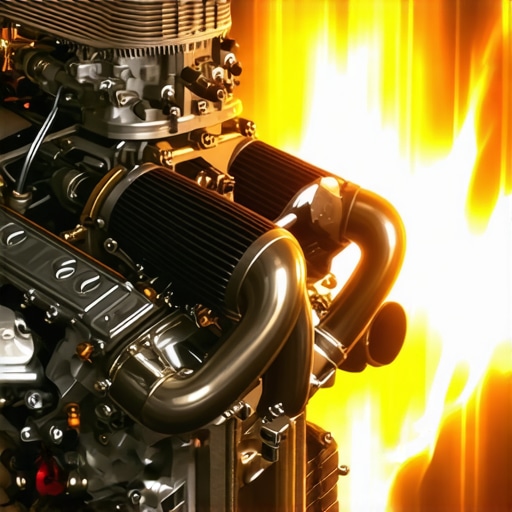
One morning, I was merging onto the freeway, feeling confident in how smoothly my car had been running. Suddenly, as I eased off the gas just before merging, the backfire startled me—loud, sharp, and embarrassing. In that moment, I realized this wasn’t just a quirky noise; it indicated something that could escalate into a costly repair if I ignored it. That lightbulb moment made me dig deep into what causes this peculiar problem and how I managed to fix it myself.
The Unexpected Frustration of a Backfire
If you’ve ever experienced that sudden, loud pop from your exhaust right as you release the accelerator, you know how unnerving it can be. It’s like your car is protesting every time you shift from acceleration to coast. Not only can it be embarrassing, especially in quiet neighborhood streets or busy highways, but it also hints at underlying issues that, if left unchecked, could lead to engine damage or reduced fuel efficiency.
What’s more frustrating is how common this behavior is among drivers who aren’t sure where to start troubleshooting. At first, I thought maybe my spark plugs needed changing or that I simply had a bad tank of gas. But the truth is, there’s often a combination of causes—ranging from fuel mixture problems to exhaust leaks—that require a bit of detective work. And that’s exactly what I’ll help you with today.
Is it worth guessing and risking bigger damage?
I’ll admit, I made the mistake early on of ignoring minor signs, assuming they’d go away. But I learned the hard way that small issues like backfires can signal serious problems—like unburned fuel igniting in the exhaust system, which can melt components over time. Thankfully, with some basic tools and a little know-how, I managed to identify and fix the problem myself. For a detailed rundown on how common misdiagnoses can lead to costly repairs, check out this article.
Are you tired of wondering what’s causing your backfire? Or perhaps you’re worried about turning a simple fix into a major engine overhaul? Don’t worry—I’m here to walk you through the step-by-step process to diagnose and resolve this issue efficiently.
Check the Spark Plugs and Wires
Start by inspecting your spark plugs and ignition wires since worn or fouled spark plugs can cause unburned fuel to ignite in the exhaust, leading to backfires. Remove each spark plug using a spark plug socket and examine their condition—if they look blackened or worn, replacing them is vital. Also, inspect wires for cracks or damage. I once had a misfiring spark plug causing a backfire, and replacing it immediately cleared the problem.
Inspect the Fuel System
Next, examine your fuel injectors and fuel filter. Dirty injectors or clogged filters can disrupt the fuel-air mixture, causing excess unburned fuel reaching the exhaust. Use a fuel pressure gauge to check for proper pressure, referencing your vehicle’s manual. I remember disconnecting the fuel injectors and cleaning them with a specialized cleaner, which improved my car’s performance and eliminated the backfire.
Check for Exhaust Leaks
Exhaust leaks, especially around the manifold or gasket area, can cause unburned fuel to ignite prematurely. Listen for hissing sounds or visual signs like soot. To verify, use a soapy water spray around the joints—bubbles indicate leaks. I once detected a small crack in my exhaust manifold, which I sealed with high-temperature exhaust cement, effectively stopping the backfire.
Test the Oxygen Sensors
Faulty oxygen sensors can send incorrect data to the engine control unit (ECU), leading to incorrect fuel mixture and backfiring. Use an OBD-II scanner to check for error codes related to sensor failure. If code P0133 appears, replacing the oxygen sensor can restore proper fuel regulation. I partnered with an auto shop to test my sensors and replaced a faulty one myself, saving money and fixing the issue.
Examine the Timing Belt or Chain
Incorrect ignition timing can cause your engine to backfire. Use a timing light to check the timing marks against the specifications for your vehicle. If the timing is off, adjust the distributor or consult a mechanic. I once experienced a delayed backfire after a timing belt replacement, which I corrected by fine-tuning the distributor—this restored smooth running.
Perform an Advanced Diagnostic
If the issue persists, consider advanced diagnostics with professional equipment to detect subtle sensor faults or ECU problems. For comprehensive insights into vehicle diagnostics, visit this resource. I used an advanced scanner that revealed a misreading of the mass airflow sensor, leading me to clean and recalibrate it, finally resolving the backfire.
Conclusion
Addressing a backfire involves systematic checks—from spark plugs to exhaust leaks—and sometimes, a professional diagnosis. Taking these steps ensures you identify the root cause early, preventing costly repairs and engine damage. Regular maintenance and understanding your vehicle’s signals are key. For more tips on auto repairs that save money without sacrificing quality, explore this guide.
Many drivers operate under misconceptions about fundamental car maintenance, often believing that quick fixes or outdated advice will keep their vehicle in optimal condition. Let’s dig deeper into some common myths and hidden nuances that can lead you astray and potentially damage your vehicle. For instance, a prevalent misconception is that changing your oil every 3,000 miles is always necessary. Modern synthetic oils and engineering advancements allow for longer intervals, but overlooking your vehicle’s specific needs and relying solely on generic advice can lead to engine wear. In fact, overchanging oil can sometimes lead to unnecessary costs and environmental waste.
Is It Truly Necessary to Follow the Traditional Oil Change Interval?
Experts suggest that, depending on your driving habits and oil type, extending oil change intervals is safe and beneficial. Regularly consulting your owner’s manual and considering modern diagnostics can help determine the optimal schedule. Often, drivers miss this nuance and end up replacing oil prematurely or neglecting it altogether. Furthermore, many believe that vehicle diagnostics are only necessary when the check engine light appears. This couldn’t be further from the truth. Advanced diagnostics can detect issues long before symptoms arise, saving money and preventing breakdowns. Neglecting regular diagnostics might be a costly mistake, yet many underestimate their importance. When it comes to brake service, a common myth is that all brake pads are created equal. In reality, choosing the right pad depends on driving style and conditions, and overlooking this detail can compromise safety and durability. For precise information, check out this comprehensive guide. Another tricky area is vehicle diagnostics for electrical components. Many assume that once a fuse blows, replacing it solves the problem permanently. However, this might overlook underlying issues such as faulty wiring or short circuits, which, if ignored, may lead to repeated failures. Advanced diagnostics can reveal these hidden problems early, as discussed here. Have you ever fallen into this trap? Let me know in the comments. Remember, understanding these nuances can extend your vehicle’s lifespan and ensure safer driving. For further tips on maintaining your car efficiently, explore top auto repair tips or auto repair hacks to save money. Being informed isn’t just about fixing problems—it’s about preventing them and making smarter decisions for your vehicle’s health.
Investing in the Right Equipment for Long-Term Vehicle Care
Keeping your vehicle in optimal condition requires more than just basic knowledge—it demands the right set of tools and software tailored to your needs. I personally rely on a high-quality OBD-II scanner, such as the BlueDriver Bluetooth Pro, which provides comprehensive diagnostics that help me identify issues before they escalate. This device connects seamlessly with my smartphone, offering real-time data and clear error code explanations, making it an invaluable asset for proactive maintenance.
For routine tasks like oil changes, I use a professional-grade creeper and an ergonomic oil filter wrench. These tools ensure that I can work comfortably and efficiently, minimizing the chance of damaging components. When inspecting or replacing spark plugs, I prefer a spark plug socket with a rubber insert to securely grip the porcelain and prevent breakage. Personally calibrating sensors or performing more complex diagnostics requires a reliable code reader that integrates with software like Torque Pro, which visualizes sensor data and helps me pinpoint issues precisely.
How do I maintain vehicle diagnostics over time?
Regular updates of my diagnostic software and firmware are vital. As vehicle manufacturers release software patches, keeping my scanner and apps current ensures compatibility and access to the latest features. I set reminders to perform routine checks with my scanner, especially before long road trips, to prevent unexpected breakdowns. Additionally, periodically reviewing the error codes and sensor readings helps me catch minor issues early, saving time and money in the long run. For comprehensive insights into vehicle diagnostics, visit this resource.
Looking ahead, the trend in auto maintenance is moving toward integrated diagnostic systems with AI-powered analytics. These systems will not only identify issues but also recommend specific maintenance actions, predict failures, and optimize repair schedules. Embracing these advancements now can give you a significant edge in maintaining your vehicle efficiently.
Don’t hesitate to try out advanced diagnostic tools like my preferred OBD-II scanner; they make vehicle maintenance more precise and less stressful. Whether you’re performing regular oil changes or troubleshooting complex issues, having the right equipment can dramatically improve your results and extend your car’s lifespan.
What the Toughest Lessons Taught Me About Auto Repair
Early on, I underestimated how critical regular diagnostics are. Thinking a simple oil check was enough, I ignored warning signs that could have prevented costly repairs. The biggest lightbulb moment was realizing that in auto repair, prevention truly beats cure. Regularly updating my knowledge and tools saved me thousands and kept my vehicle running smoother than ever.
Another lesson was the importance of a proper diagnostic mindset. Jumping straight to replacing parts without understanding the root cause often made things worse. Now, I approach repairs methodically, using reliable scanner tools to interpret error codes clearly. This shift in thinking transformed my DIY repairs from guesswork to precision.
Lastly, I learned that investing in quality tools pays dividends. Cheap equipment might seem tempting, but high-quality scanners, wrenches, and calibration gear empower me to fix complex issues confidently, saving both time and money.
Tools and Resources That Changed My Auto Maintenance Game
- OBD-II Scanner like BlueDriver Bluetooth Pro: This device connects to my phone, providing real-time insights and error codes. It’s reliable, user-friendly, and essential for proactive diagnostics.
- Torque Pro App: Visualizes sensor data and helps me understand exactly what my vehicle’s system reports, enabling accurate troubleshooting.
- High-Grade Socket Sets and Wrenches: Tools like rubber-coated spark plug sockets and adjustable wrenches prevent damage and allow access to tight spots efficiently.
- Comprehensive Repair Guides: Online resources like detailed blogs and videos clarify complex procedures. I found that combining these guides with hands-on practice boosts my confidence significantly.
Your Journey to Better Car Care Starts Now
Embracing the right knowledge and tools transforms auto maintenance from a daunting task into an empowering experience. Remember, every repair or diagnostic is an opportunity to learn more about your vehicle and yourself. With patience and curiosity, you’ll tackle challenges confidently and extend your car’s lifespan effectively.
What’s the next auto repair or diagnostic step you’re excited to try? Let’s discuss your experiences below and keep the journey going!