
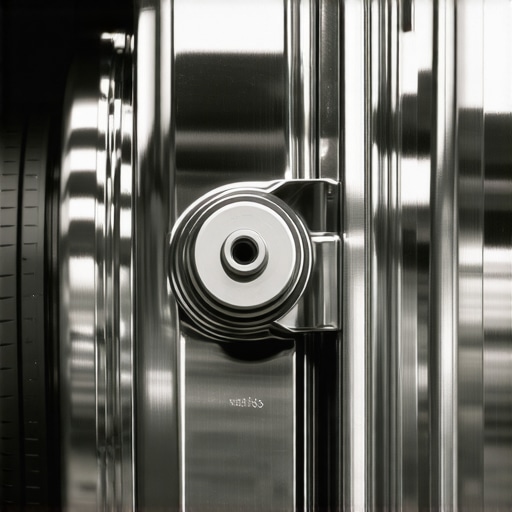
It was late one evening, and I was just about done with my oil change when I realized I had overlooked a tiny but crucial detail—the hidden drain plug on my differential. That little oversight nearly cost me a hefty repair bill because I ignored a component many drivers never even think about. The lightbulb went on: this tiny, hidden plug is more important than it seems, and neglecting it can lead to serious damage over time.
The Danger of Overlooking the Differential Drain Plug
Understanding the significance of the differential drain plug changed how I approach vehicle maintenance. It’s easy to get caught up in changing engine oil or replacing brake pads, but the differential often stays in the shadows—literally. This component is vital for transmitting power from your engine to your wheels, especially in vehicles with four-wheel drive or all-wheel drive systems. If you neglect to drain and change the differential fluid properly, dirt and debris can accumulate, leading to accelerated wear or even costly failures. According to automotive experts, neglecting differential maintenance can reduce your vehicle’s lifespan and lead to unpredictable breakdowns, sometimes at the most inconvenient times. So, why is this hidden drain plug such a big deal? Because it’s the gateway to keeping your differential healthy, and I’ve learned this the hard way. If you’re like me, you may have ignored this detail initially, thinking it wasn’t worth the hassle. Early mistakes included neglecting to check for the drain plug during oil changes, which led to contaminated fluid lingering and causing wear. That’s a rookie mistake you want to avoid. Want to keep your car running smoothly and avoid unnecessary repairs? Let’s dig into what you need to know about this quiet hero—your differential drain plug—and how to give it the attention it deserves.
Locating and Preparing for Draining
Start by safely elevating your vehicle with jack stands and securing it on a flat surface. Use wheel chocks to prevent any movement. Position a drain pan underneath the differential housing, which is typically located between the rear wheels for vehicles with rear-wheel drive, or at the front for front-wheel-drive models. Consult your vehicle’s manual to find the exact location of the differential drain plug. Remember, safety first: wear gloves and eye protection to avoid contact with old fluids or debris.
Removing the Drain Plug and Draining Fluids
Using the appropriate socket or wrench, carefully loosen the differential drain plug. Keep a rag handy for any residual drips. Once removed, allow the old gear oil to fully drain into the pan. During my first attempt, I overlooked loosening the fill plug, which caused a messy spill and delay. Ensuring both drain and fill plugs are accessible simplifies the process. After draining, inspect the drain plug’s gasket or washer, replacing it if worn out to prevent leaks during the refill.
Refilling with Fresh Differential Fluid
Install the drain plug securely, tightening it to the manufacturer’s specified torque to prevent leaks. Locate the fill plug, which is often positioned higher on the differential housing. Attach a suitable pump or use a steady funnel to add clean gear oil, referencing your manual for the correct type and quantity. Fill until fluid begins to seep out of the fill opening, indicating it’s full. Be cautious not to overfill, as excess gear oil can cause pressure buildup and leaks.
Checking for Leaks and Final Steps
After securing both plugs, wipe around the differential to remove any spilled fluid. Lower the vehicle carefully and start the engine, then run it for a few minutes. With the vehicle on a lift or jack stands, inspect the differential area for drips or leaks. Test drive the vehicle for a short distance and recheck the fluid levels, topping up if necessary. This routine maintenance prevents dirt accumulation and keeps your differential functioning smoothly, saving you money in the long run. For more insights on vehicle maintenance best practices, visit top auto repair tips.
Many car owners believe they understand the basics of auto maintenance, but there are nuances and misconceptions that can lead to costly mistakes. One prevalent myth is that “as long as the oil looks clean, it’s sufficient,” which isn’t always true—synthetic oils, for example, can break down faster than expected if used beyond recommended intervals, risking engine wear. Advanced vehicle diagnostics reveal that relying solely on visual checks can miss subtle issues, such as sensor failures, which can cause engine inefficiency or damage over time. This underscores the importance of regular, professional diagnostics—more info is available at this guide. Another common mistake involves brakes, where many assume brake pads are the only component needing replacement; in reality, rotors can develop cracks or warping that aren’t immediately visible, leading to dangerous situations. Beware of the trap of neglecting these signs, as they can escalate repair costs and compromise safety. Furthermore, a widespread misconception is that all brake fluid is interchangeable and lasts forever—actually, brake fluid absorbs moisture over time, risking corrosion and brake failure; following manufacturer recommendations ensures optimal performance. Now, for the sophisticated reader, consider this: How many vehicle owners understand the nuances of interpreting diagnostic trouble codes (DTCs) without adequate training? Misreading these codes can lead to unnecessary repairs or overlooking critical issues. According to a study published in the *Journal of Vehicle Technology*, improper diagnostics account for nearly 30% of unnecessary part replacements, emphasizing the need for trained technicians. Do you know how to interpret DTCs correctly? If not, it’s worth consulting a professional. Recognize that even experienced DIYers can fall into pitfalls—like misdiagnosing engine misfires or sensor failures—due to a lack of proper tools or knowledge. Remember, proper maintenance isn’t just about replacing parts; it’s about understanding the underlying issues and avoiding shortcuts that seem convenient but are risky in the long run. To ensure you’re not missing out on expert insights, consider comprehensive auto repair strategies—more tips are outlined in this resource. Have you ever fallen into this trap? Let me know in the comments.
Tools I Trust for Long-Term Vehicle Care
Maintaining your vehicle’s health over time requires the right equipment. I personally swear by a high-quality digital multimeter for diagnosing electrical issues quickly and accurately. Unlike analog testers, digital models provide precise voltage readings and often incorporate continuity checks, which save me from guessing during tricky diagnostics.
For fluid management, I rely on a pump with a flexible hose attachment. It simplifies refilling gear oils or coolant without mess, especially in tight spaces. This tool helps me avoid overfilling or spilling, ensuring the system stays sealed and efficient. For me, a magnetic drain plug socket is a game-changer—replacing a worn gasket or gasket washer becomes effortless, reducing the chance of leaks after maintenance.
Leveraging Software for Better Diagnostics
Manual checks are vital, but integrating software like OBD-II scan tools elevates my diagnostic game. I use a Bluetooth-enabled scanner that connects directly to my smartphone, allowing me to read and clear trouble codes on the spot. This immediacy helps me pinpoint issues before they worsen and plan repairs accordingly.
Moreover, I keep a digital log of all diagnostics and repairs. This creates a long-term record of trends—like recurring sensor failures—that help tailor my maintenance schedule. Regularly updating my sensor database ensures I stay ahead of potential failures, ultimately saving money and reducing downtime.
Prediction for the Future: As vehicle technology evolves, I predict an increased shift toward integrated diagnostic systems and AI-powered tools that can predict component failures before symptoms even appear, making vehicle maintenance more predictive than reactive.
How do I keep my tools and methods effective over time?
Consistency is key. I calibrate my diagnostic tools regularly based on manufacturer recommendations, ensuring ongoing accuracy. I also stay informed about new repair techniques and equipment by subscribing to industry publications and online forums like auto repair resources. This proactive approach helps me adapt quickly as technology advances, ensuring my maintenance practices remain cutting-edge.
If you’re serious about long-term vehicle reliability, invest in quality tools like a versatile multimeter and a reliable scan tool. Test these tools against different vehicle scenarios to understand their capabilities better. For example, try troubleshooting a sensor signal interruption by simulating real-world faults—this practical experience deepens your skills and confidence.
Remember, proactive maintenance isn’t just about quick fixes; it’s about building a systematic approach. By combining the right equipment with ongoing education, you’ll extend your vehicle’s lifespan and avoid costly repairs down the line. Ready to upgrade your toolkit? Check out this resource for more expert tips and recommended gear.
Over my years of vehicle care, I’ve discovered that a seemingly insignificant component—the differential drain plug—holds the key to avoiding catastrophic repairs and ensuring smooth drives. The hardest lesson was realizing that neglecting this tiny detail could accelerate wear and lead to costly failures, a mistake I won’t make again. Remember, the differential isn’t just a hidden part; it’s a vital gear in your vehicle’s endurance. Ensuring its proper maintenance means understanding the nuances of its location and the importance of regular fluid changes, which many overlook. Uncovering this insight transformed my approach, inspiring me to treat every bolt and fluid level with the respect it deserves.