
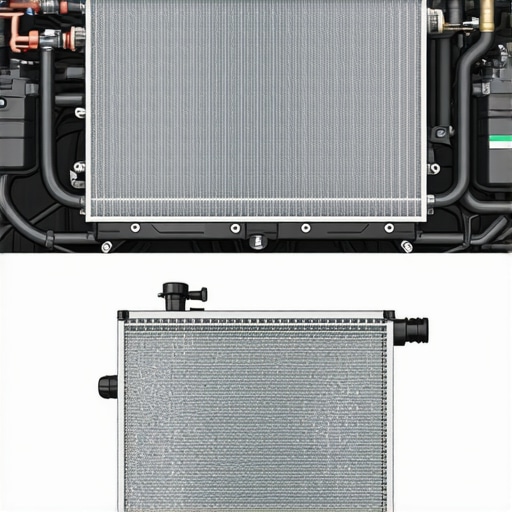
I remember the day I first thought about adding a ‘Stop Leak’ product to my radiator. My engine was running hotter than usual, and I was desperate to fix the leak without heading straight to the mechanic. I grabbed a bottle of what’s often sold as a miracle cure, poured it in, and hoped for the best. But what I didn’t realize then was that I was walking into a trap that could cause more harm than good.
Have you ever been tempted to try a ‘Stop Leak’ product yourself, especially when faced with a small radiator leak and a tight budget? If so, you’re not alone. Many car owners see these products as quick fixes, promising to save money and time. However, my personal experience—and many others’—suggests that there’s more to the story. Today, we’re going to uncover the real truths about these products, share what I wish I knew earlier, and help you decide if they’re right for your vehicle.
Why Many Drivers Trust or Fear Radiator Sealant Products
Is ‘Stop Leak’ Actually Worth the Hype?
Many believe that using a radiator leak sealer is a miracle solution, especially for small leaks. It’s understandable—who wants to deal with the hassle of replacing a radiator or paying for emergency repairs? These products promise to seal cracks and leaks from the inside, providing a temporary or even permanent fix in some cases.
But here’s the catch: not all leaks are created equal, and not all sealants are compatible with every engine system. Early in my experience, I made a costly mistake. I used a generic leak stopper, only to find it clogged my heater core and radiator passages, leading to a worse cooling system problem. That mishap taught me that trusting every product without proper research can backfire.
It’s essential to understand the risks involved. Sometimes, these sealants can cause blockages, reduce cooling efficiency, or even damage your water pump or thermostat. According to a study from the Car Talk technical team, improper use of radiator sealers is one of the reasons for engine overheating issues in DIY repairs. So, before you pour in that bottle, ask yourself: is this really a safe choice for my car?
If you’re considering a ‘Stop Leak’ product, it’s wise to explore whether a professional diagnosis might reveal a more sustainable solution. You can learn about decoding your vehicle’s warning signs by visiting [here](https://repairmycarpro.com/decoding-vehicle-diagnostics-what-your-car-is-trying-to-tell-you). Sometimes, what’s perceived as a small leak could be a sign of a larger cooling system problem that requires expert attention.
In the next sections, we’ll go through the pros and cons of using radiator sealants, how to identify true leaks, and when to seek professional help instead of relying solely on chemical solutions. Ready to get the facts straight? Let’s dive in.
Identify the Source of Coolant Loss Efficiently
Check the Radiator and Hoses for Visible Damage
Start by inspecting your radiator, hoses, and surrounding components for cracks, leaks, or bulges. Use a flashlight to see small drips or residue that indicates a leak. Remember, leaks can be as tiny as pinholes or as large as cracks—so thorough visual inspection is key. During my own repair, I used a mirror and a flashlight to locate a tiny crack in the radiator that was causing a slow leak, which a casual glance might have missed.
Perform a Pressure Test to Confirm the Leak
Replace the radiator cap with a pressure tester designed for automotive cooling systems. Pump to the recommended pressure and watch for drops on the gauge. If pressure drops quickly, it confirms a leak somewhere in the system. I once did this test on my own car, and the pressure gauge indicated a leak from the radiator core, prompting me to plan for a replacement rather than attempting a clogging sealant.
Decide on the Best Repair Path
Assess the Severity and Location of the Leak
Small pinhole leaks may be temporarily sealed with a radiator sealant, but larger cracks often require professional welding or radiator replacement. For example, during a roadside repair, I tried a common ceramic-based sealant on a minor leak, which held temporarily but failed after a week. Knowing when to escalate to professional repair saved me money and an engine overheating incident.
Engage Professional Repair if Necessary
If the damage is extensive—such as large cracks or multiple leaks—consult a certified mechanic. They can perform welding or recommend a new radiator, ensuring reliable and long-lasting repair. Remember, sealing a severely cracked radiator with any chemical might lead to blockages and overheating. To prevent costly damage, understand your vehicle’s needs by reading about diagnostic techniques at this resource.
Implement Preventive Measures During Repairs
Flush the Cooling System Before Installing a New Radiator
Ensure all debris, rust, and old coolant are flushed out to promote optimal operation. Use a radiator flush solution and follow the procedure as outlined in this guide. Proper flushing prevents future blockages or corrosion that could cause leaks again.
Use Quality Replacement Parts
Select a radiator compatible with your vehicle model from reputable brands. Proper fit and material quality are essential for long-term durability. During my last radiator swap, choosing a premium brand prevented the need for future repairs, saving me money and downtime.
Test and Monitor After Repair
Run the Engine and Re-Pressurize the System
Turn on the engine and observe the pressure gauge to ensure no drops occur. Look for small leaks during initial warm-up. Make sure the cooling fan operates correctly, and the temperature stays within normal limits. I always keep an eye on the temperature gauge after repairs, as early signs of leaks tend to show as rising temps.
Check for Residual Leaks or Blockages
Inspect the repaired area and surrounding components for signs of ongoing leaks. Use a UV dye and a black light to spot leaks that are not visible to the naked eye. This technique helped me detect a small leak in a hose connection that was otherwise undetectable, preventing engine overheating later.**When it comes to vehicle diagnostics and repairs, many car owners operate under misconceptions that can lead to costly mistakes. Contrary to popular belief, relying solely on generic scanner codes without proper interpretation often results in misdiagnosis, wasting time and money. Advanced diagnostic tools and trained technicians understand the nuances of modern vehicles, emphasizing the importance of comprehensive testing rather than quick fixes. For example, a check engine light might indicate a minor sensor issue or a major engine malfunction; knowing how to distinguish between the two requires experience.
What hidden complexities do experienced mechanics consider that amateurs usually overlook?
One critical aspect is understanding how sensor data interacts with vehicle systems. A faulty coolant temperature sensor, for example, can cause poor fuel economy or overheating, but replacing it blindly won’t resolve underlying issues like wiring problems or ECM faults. Studies from automotive experts reveal that improper sensor calibration can lead to engine performance issues that are hard to detect without advanced diagnostics, underscoring the value of expert evaluation. As I advise in decoding your vehicle diagnostics, investing in proper diagnosis saves money and prevents unnecessary repairs. Similarly, many believe that flushes and routine maintenance always prevent breakdowns, but overlooking corrosion, worn components, or calibration errors can make these procedures ineffective. Regular inspections combined with targeted repairs are far more reliable than just performing superficial services.
Are there any common pitfalls in brake or oil service that could compromise safety?
Yes. For instance, during brake service, neglecting to replace or properly lubricate caliper slides can cause uneven wear and reduced effectiveness. Also, in oil changes, using cheaper oil that doesn’t meet manufacturer specifications might save upfront costs but can lead to increased engine wear and early failure. Remember, the nuances in selecting quality parts and understanding schematic diagrams are the difference between a good repair and a dangerous shortcut. For insights on how to extend your vehicle’s lifespan with strategic repairs, check out top auto repair tips. Make sure your auto repairs aren’t just temporary fixes but long-lasting solutions by understanding these hidden factors. Have you ever fallen into this trap? Let me know in the comments.Maintaining your vehicle’s health over time requires more than just basic knowledge; it demands the right tools and a disciplined approach. One tool I recommend daily is a high-quality OBD-II scanner, like the Innova 3160g, which allows me to quickly read and clear diagnostic trouble codes, saving time and preventing minor issues from escalating. This scanner connects effortlessly via Bluetooth to my smartphone, giving me instant access to real-time data and reams of information from the vehicle’s central computer. I use it not only during troubleshooting but also routinely to monitor sensor performance and ensure everything operates within optimal ranges. Investing in a reliable scan tool like this is a game-changer for DIY enthusiasts and professionals alike, enabling proactive maintenance and extending vehicle lifespan.
For precise oil changes, I rely on a digital oil test kit to analyze the oil’s condition before draining. This small investment helps me determine whether the oil has degraded prematurely due to engine conditions, contamination, or additive depletion. Knowing this, I can adjust my oil change schedule accordingly, avoiding unnecessary oil changes that waste money and resources. Paired with an accurate oil fill funnel and a torque wrench for proper bolt tightening, these tools streamline the process and ensure each component is serviced correctly.
Long-term results depend on consistent maintenance routines. I schedule semi-annual inspections using my automotive scan tool to check for hidden issues and verify sensor calibrations, which are often overlooked but critical for vehicle reliability. For example, a misaligned coolant temperature sensor can cause erratic fuel economy and engine performance, but with a professional-grade diagnostic device, I can detect such discrepancies promptly. Regular diagnostics combined with routine parts replacement—like brake pads and filters—are vital. To optimize my brake system, I use a brake caliper piston compressor tool that simplifies pad replacement and reduces the risk of uneven wear.
Looking ahead, vehicle diagnostics are trending towards enhanced software integrations and AI-driven analysis. As vehicles become smarter, maintaining them will involve not just physical tools but also subscription-based services that deliver updates and advanced troubleshooting insights directly to your devices. Staying current with these technological advances will help you anticipate issues before they become breakdowns.
**How do I keep my vehicle running smoothly over time?** One crucial practice is implementing a comprehensive maintenance checklist and leveraging tech tools for early detection. For instance, routine software updates and calibration checks can prevent performance degradation. I highly recommend trying an advanced diagnostic technique like using an ultrasonic leak detector to find subtle coolant or vacuum leaks, which are often invisible but can lead to significant inefficiencies or engine damage. This approach can save you from costly repairs down the line.
Ensuring your vehicle remains dependable isn’t just about quick fixes. Investing in quality tools and adopting systematic maintenance routines will pay dividends in long-term durability. For more detailed strategies, see our guide on top auto repair tips to extend your vehicle’s lifespan. Start integrating these tools into your maintenance regimen today and experience the difference firsthand.
The Hardest Lesson I Learned About Auto Repair and Diagnostics
One of the most impactful lessons was realizing that even the tiniest coolant leak can mask bigger underlying issues. Relying solely on sealants without proper diagnosis often led me to more extensive repairs later. It taught me to trust my instincts and always verify the root cause before applying quick fixes.
Secrets Maybe Mechanics Won’t Tell You About Vehicle Troubleshooting
Many technicians have in-depth knowledge about sensor interactions and system calibrations that casual DIYers overlook. For example, a misreading sensor can mimic engine problems, leading to unnecessary repairs. Investing time in comprehensive diagnostics, like decoding your vehicle’s data properly, can save you from costly misjudgments. Check out this guide to get started.
What Changed My Approach to Maintaining My Vehicle’s Health
Regular use of advanced tools like Bluetooth-enabled OBD-II scanners transformed my maintenance routine. These devices provided real-time insights into sensor health and system performance, catching issues early. Pairing these tools with scheduled flushes and quality parts, I minimized breakdowns and extended my vehicle’s lifespan. Want to learn more? This article offers excellent tips.