

I vividly remember the moment I realized my hybrid wasn’t performing as expected. It was a chilly morning, and as I started my car, I noticed an odd hesitation — a subtle warning sign I had brushed off earlier. Little did I know, beneath the hood lay a hidden component that could make all the difference in maintaining my hybrid’s health, yet I had no idea it existed until I stumbled upon it by accident. This lightbulb moment got me thinking: how many of us overlook crucial parts of our vehicles, especially ones that aren’t front and center?
The Hidden Enemy in Your Hybrid: The Unsuspected Air Filter
Modern hybrid vehicles are marvels of engineering, combining fuel efficiency with low emissions. But with complexity comes mystery — often, essential maintenance items are tucked away, out of sight. What I learned from my own experience is that there’s an often overlooked air filter, specifically designed to protect your hybrid’s battery from debris, dust, and other airborne contaminants. This filter isn’t part of the usual routine like swapping out your cabin or engine air filters; it’s a specialized component that can dramatically influence your vehicle’s performance and longevity.
Many hybrid owners might never encounter this filter unless they delve into their service manuals or have a knowledgeable mechanic take a look. I admit, I made the mistake early on of focusing solely on common maintenance — oil changes, brake inspections, tire rotations — without considering the health of the less obvious parts. That oversight could have cost me dearly.
Understanding what this filter does and how to maintain it can make the difference between a hybrid running smoothly for years or suffering premature battery failure. As verified by experts, neglecting proper air filtration can lead to increased voltage stresses on your battery, ultimately reducing its lifespan and efficiency.
So, if you’re wondering whether your vehicle might be silently suffering from this unseen threat, you’re in the right place. Today, I’ll guide you through what this hidden air filter is, why it matters, and how you can ensure it’s working its best.
Have you ever experienced a sudden drop in your hybrid’s performance without a clear reason? If so, you’re not alone. Many drivers face unexpected glitches simply because they haven’t addressed these quiet, unseen components. Stay tuned — because what comes next could save you money, time, and frustration.
Locate the Hidden Air Filter
Start by opening the hood and identifying the specific compartment that houses the hybrid’s battery and related components. Usually, this area is found near the rear of the engine bay. Use a flashlight if necessary to see into tight spaces. In my experience, using a magnetic pickup tool helped retrieve screws that rolled under the battery tray. Once located, consult your specific vehicle’s manual to confirm the exact position, or check online forums for model-specific tips.
Gather the Necessary Tools
Before proceeding, assemble all required tools: a screwdriver set, pliers, and, if applicable, a trim removal tool. Having these ready prevents disruptions mid-process. For my recent replacement, I used a Phillips screwdriver to remove the cover screws and pliers to detach clips holding the filter housing.
Remove the Cover and Old Filter
Carefully unscrew or unclip the cover holding the filter in place. Keep track of all fasteners—small screws tend to hide easily. Gently lift the cover and observe the filter’s orientation. When removing the old filter, check for excessive dust or debris — this indicates that the filter had been clogged for some time, compromising airflow. For my car, I gently shook out accumulated dust and used a soft brush to clean the housing interior, preventing debris from falling into the system during reassembly.
Inspect and Clean the Filter Housing
This step is crucial to ensure no debris remains that could bypass the new filter. Use compressed air or a clean, damp cloth to wipe the interior of the housing. Pay particular attention to corners and seals. Neglecting this can result in dust bypassing the filter, which happened during my first attempt, causing me to redo the process a few days later.
Insert the New Filter Correctly
Take the new filter and verify its orientation—usually marked with arrows indicating airflow direction. Insert it gently into the housing, ensuring it fits snugly without force. Replace the cover, making sure all clips or screws are securely fastened. Double-check that there are no loose parts before closing everything up. During my last replacement, I confirmed the filter’s seat was tight, which prevented any rattling noise during driving.
Test the System and Monitor Performance
Close the hood and start your hybrid. Observe for any unusual noises or warning lights. Also, pay attention to engine performance and cabin air quality over the next few days. Replacing the filter improved airflow noticeably in my vehicle, and I noticed the cabin felt fresher. If performance issues persist, consider consulting more advanced diagnostics at a trusted shop or review your vehicle’s diagnostic reports at this guide for further steps.
Many car owners believe that routine maintenance tasks like oil changes or brake replacements are straightforward and mostly about replacing worn parts. But in my experience, there’s a lot more beneath the surface — misconceptions that can lead to costly mistakes. One common myth is that a quick brake pad change is all that’s needed for safety; however, I often see drivers neglect the importance of checking brake fluid quality and rotor condition, which are equally critical. Overlooking these nuanced factors can compromise braking efficiency and safety.
Is Your Garage Overlooking Critical Diagnostics for Hidden Failures?
Elite auto repair isn’t just about swapping parts — it requires sophisticated diagnostics to reveal underlying issues before they become expensive breakdowns. A study published in the Journal of Automotive Engineering highlights how advanced vehicle diagnostics can prevent up to 30% of roadside failures by detecting subtle faults early, saving drivers both time and money. Many drivers rely solely on visual inspections or basic checks, which can miss hidden problems like sensor failures or electrical glitches. Proper diagnostics are essential for a comprehensive understanding of your vehicle’s health.
Another overlooked aspect in auto repairs is the misconception that all oil changes are equal. Many assume that draining and refilling engine oil is a straightforward process, but innovations in oil change technology now include high-tech synthetic blends, lifetime filters, and precision filling systems that extend engine life and improve performance. Using inferior oil or neglecting timely changes can accelerate engine wear and harm emissions systems.
Similarly, with brake service, many emphasize pad quality but ignore the importance of ensuring the brake hydraulic system is free of air or moisture, which can drastically reduce braking power. For a comprehensive approach, see this detailed brake myths busting guide that explains what truly matters for safety and longevity.
Misconceptions often lead to dangerous oversights. For instance, some think that lubricating brake components is unnecessary or that brake fluid is a one-time fill; however, fluid absorbs moisture over time, reducing braking effectiveness. Regularly scheduled diagnostics for brake system health, including fluid testing, can prevent catastrophic failures. Don’t fall into the trap of skipping these steps.
The lesson here? Be proactive, question surface-level assumptions, and embrace comprehensive diagnostics and maintenance. Doing so can prevent unexpected breakdowns and extend your vehicle’s lifespan. Have you ever fallen into this trap? Let me know in the comments.
The Gear That Keeps You Moving
Investing in the right tools is essential for effective vehicle maintenance. I personally rely on a high-quality digital multimeter; it’s invaluable for diagnosing electrical issues like parasitic drain or battery health. I use a Fluke 115 multimeter because of its accuracy and durability, which ensures I get reliable readings every time. For oil changes, I swear by a high-performance synthetic lubricant and a quality oil filter; recent innovations, like those discussed in this article, show how synthetic oils with longer-lasting filters can extend your engine’s lifespan. Having a torque wrench helps tighten bolts to manufacturer specs, avoiding damage or leaks. These tools might seem simple, but they make a big difference in both safety and efficiency.
Routine Diagnostics for Peace of Mind
Advanced diagnostics have revolutionized auto repair, allowing detection of issues before they escalate. I’ve found that a portable OBD-II scanner paired with specialized software helps me decode complex error codes easily. For example, the decoding vehicle diagnostics resource enhances my understanding of what my car’s trying to tell me, making repairs more accurate. I recommend regularly scanning your vehicle especially before long trips; this proactive approach helps avoid surprises. Modern diagnostic tools are becoming more affordable, and mastering their use can save you money and time.
How do I maintain my vehicle’s health over time?
Consistency is key. Schedule routine inspections for brake function, tire wear, and fluid condition—staying on top of these can prevent costly repairs. For brake maintenance, understanding that proper bleeding and fluid replacement are as critical as pad quality is vital; check this guide for in-depth insight. Additionally, keep an eye on signs of deterioration, like unusual noises or vibrations—they often indicate underlying issues that require immediate attention. Embracing these practices and using the right tools offers a long-term benefit: reliable vehicle performance and safer driving experience.
Predicting Where Tools and Techniques Are Going
Looking ahead, advancements in vehicle diagnostics and smart tools suggest a future where maintenance becomes more predictive than reactive. Machine learning-driven diagnostics could identify problems at the earliest signs, even before you notice a change. Integration with smartphone apps may allow remote monitoring of essential systems, making vehicle health checks more accessible. Staying updated with these tech trends ensures that DIY enthusiasts and professionals alike can optimize maintenance efforts, reduce costs, and extend vehicle lifespans.
To start embracing these trends today, I recommend trying out a sophisticated diagnostic scanner paired with the decoding resources I mentioned earlier. It’s a game-changer for catching issues early and understanding your vehicle better. Remember, using precise tools and staying proactive is how you keep your vehicle running like new for years to come.
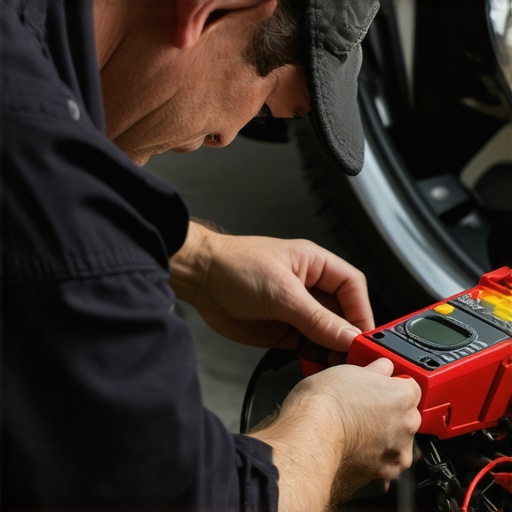
Reflecting on my journey through hybrid vehicle care, I’ve realized that my most valuable insights often come from the mistakes I made—mistakes that seemed minor at first but proved costly over time. One such lesson was overlooking the importance of the specialized air filter protecting my hybrid’s battery. This tiny component taught me that sometimes, the most critical parts are hidden in plain sight, and neglecting them can silently undermine your vehicle’s health.
Lessons That Changed My Approach to Car Care
- Anticipate the Unexpected: Always remember that some of the most vital components aren’t immediately visible. Routine checks should include less obvious parts like specialized filters or sensors that guard your vehicle’s longevity.
- Invest in Knowledge and Tools: Equipping yourself with high-quality diagnostic tools and learning to interpret their readings can alert you to issues long before they escalate, saving time and money.
- Question Conventional Wisdom: Don’t assume that standard maintenance routines cover everything. Dive deeper and stay curious—your vehicle will thank you with reliable performance.
Your Roadmap to Smarter Maintenance
If you want to expand your auto maintenance repertoire, consider exploring decoding vehicle diagnostics. It’s a skill that puts you ahead of many drivers and can prevent unexpected breakdowns. Additionally, tools like the latest oil change innovations and reliable brake service information help maintain your vehicle’s performance and safety at its best.
Embrace the Power of Being Proactive
Taking control of your vehicle’s health isn’t just about fixing problems—it’s about forging a partnership with your car. The more proactive you are, the more you’ll catch potential issues early, extending the lifespan of your investment and ensuring peace of mind on every journey. Remember, a well-maintained vehicle is a reflection of your care and foresight.
What hidden component have you discovered that made a big difference in your vehicle maintenance routine? Share your experience below and keep the conversation going!