
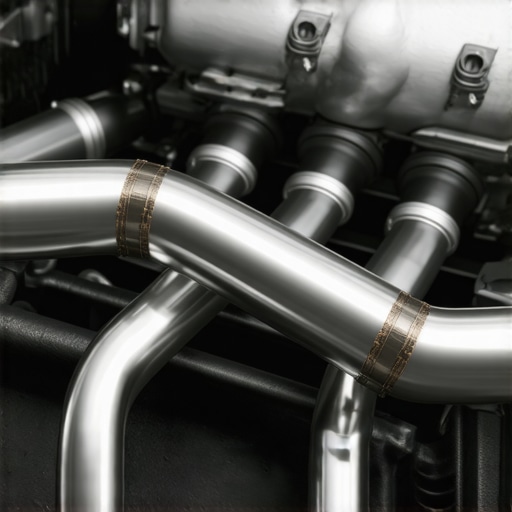
Ever had that moment when you roll into the repair shop for an oil change or diagnostics and hear the technician mention your catalytic converter? Suddenly, the glow of better fuel economy seems distant, overshadowed by worries about costly repairs or dubious promises. I remember my own lightbulb moment — after trying every so-called fuel-saving additive on the shelf, only to learn I might have been doing more harm than good. It made me rethink my entire approach to keeping my car running efficiently.
Why I Almost Fell for the Hype of ‘Fuel Saving’ Additives
Like many drivers, I was lured by claims of quick fixes that promised to boost my MPG and prolong my catalytic converter’s life. That one-time additive seemed harmless, so I thought, “Why not?” But early on, I made a crucial mistake — I relied solely on these products without understanding how they interact with my engine and emissions system. The result? Sometimes, they did little or worse, caused buildup or damage, leading to more repairs down the line.
Is the Hype About Fuel Additives Just a Scam?
From my experience, and after some research, it’s clear that many fuel additives are overhyped. According to the Environmental Protection Agency, some products can actually disable sensors or clog catalytic converters if misused. This realization was a wake-up call — what I thought was a shortcut to saving money could end up costing me hundreds. Now, I want to share what I’ve learned about protecting your vehicle and making smarter choices. If you’ve ever questioned the true value of these additives or are worried about your catalytic converter’s health, keep reading. I’ll guide you through practical steps to keep your car running cleaner, longer, and save you money in the process. Curious if you’ve been misled by marketing or if your catalytic converter is in real danger? Let’s find out together.
Start with Regular Vehicle Diagnostics
Before diving into repairs, perform a comprehensive diagnostic check to identify issues early. Use an OBD-II scanner to read error codes; it’s like a doctor checking your vitals before treatment. I once borrowed a scanner from a local shop and discovered my oxygen sensors were failing, which if left unchecked, could have ruined my catalytic converter.
Use Advanced Diagnostic Tools for Precision
Invest in or rent advanced diagnostics—these devices go beyond code reading, pinpointing problems like misfires or emissions leaks. For example, a smoke machine I rented helped locate an exhaust leak that was subtly affecting my emissions and fuel economy. Preventing minor issues from escalating saves money and extends component life.
Implement Scheduled Maintenance Routines
Stick to manufacturer-recommended maintenance schedules, especially for oil changes and air filter replacements. Regular oil changes, such as using synthetic oils, can reduce engine strain and prevent contaminants from reaching sensitive parts like the catalytic converter. I set reminders on my phone, leading to smoother engine runs and avoiding costly repairs down the line.
Focus on Fuel System Health
Use quality fuel and consider periodic fuel system cleaning to prevent carbon buildup. When I noticed my engine was running rough, I added a fuel system cleaner—this simple step restored smooth acceleration and kept my catalytic converter cleaner longer. Remember, avoid cheap additives—investing in quality fuels and cleaners pays off in the long run.
Inspect and Replace Components Proactively
Regularly check components like spark plugs, oxygen sensors, and fuel injectors. When I replaced my spark plugs early, I avoided misfires that could have led to unburned fuel damaging my catalytic converter. Use visual inspections and follow guidelines to replace parts before they fail completely, ensuring your engine runs efficiently and emissions stay low.
lean into professional help when needed
If diagnosis reveals complex problems or if you’re unsure about performing certain tasks, consult a trusted mechanic. Trying to fix complex issues yourself without proper knowledge can do more harm than good. For instance, I once attempted to clean a sensor myself, but a professional cleaning restored it to optimal function, preventing expensive replacements.
Enhance Your Vehicle’s Fuel Economy
Adopt driving habits that maximize MPG: accelerate smoothly, maintain steady speeds, and avoid idling. I started using cruise control on highway trips, which improved my fuel efficiency and reduced engine wear. Combined with regular maintenance, these habits contribute to less strain on your catalytic converter and other emission-related parts, saving you money and reducing your environmental footprint.
Remember, proactive care and informed decisions are your best tools. Check out top tips to extend your vehicle’s lifespan for more strategies. Always prioritize quality repairs over quick fixes; it’s about protecting your investment and the environment. For detailed diagnostic procedures, visit vehicle diagnostics explained. Stay vigilant, and your car will reward you with years of reliable service.
While many car owners believe they understand the basics of brake service, oil changes, and vehicle diagnostics, there’s a realm of nuanced knowledge often missed — and this can lead to costly mistakes. One common misconception is that all brake pads are created equal, leading many to ignore the importance of the quality and type of brake components they choose. Contrary to popular belief, replacing brake pads with cheap, low-quality parts can do more harm than good, compromising braking performance and safety. For instance, neglecting to verify whether your brake rotors are warped or if you need new calipers can cause uneven wear and reduce braking effectiveness over time. My experience taught me that a thorough inspection of all related components ensures a safe and reliable braking system.
In the realm of oil changes, a frequent mistake is assuming that more expensive synthetic oils automatically mean better protection. While quality oils matter, the real nuance lies in selecting the correct viscosity and formulation based on your vehicle’s specifications, climate, and driving habits. An improper oil choice can lead to increased engine wear or reduced fuel efficiency. Advanced engine oils now incorporate unique additives designed to improve viscosity stability at high temperatures, which is crucial for high-mileage engines or vehicles operating in extreme conditions. Experts from oil change innovations emphasize that understanding these nuances can extend your engine’s lifespan significantly.
Vehicle diagnostics, especially with the advent of sophisticated onboard systems, is another area rife with myths. Many drivers rely solely on the check engine light, but this simplistic approach masks deeper issues. Many fail to realize that diagnostic trouble codes (DTCs) often point to systemic problems, not just individual component failures. For example, a common misstep is clearing codes without addressing the root cause, which can temporarily hide problems but lead to bigger failures later. The key is interpreting diagnostics accurately — a skill that combines reading the code and understanding the vehicle’s context. For deep insights, check out decoding vehicle diagnostics to improve your diagnostic approach.
Common Pitfalls Leading to Costly Repairs
One sneaky trap often overlooked is the habit of postponing maintenance until a warning light appears. This reactive stance often results in parts wearing out past their optimal service life, causing failures that could have been prevented with proactive maintenance. For example, neglecting to replace a worn-out timing belt can lead to catastrophic engine damage. Regularly scheduled inspections and maintenance routines, as detailed in top auto repair tips, are your best defenses against unexpected failures and expensive repairs.
Another advanced mistake is misinterpreting diagnostic data, especially with newer vehicle models that have complex systems like variable valve timing or direct fuel injection. Underestimating these intricacies can hinder proper repair strategies. Consulting a trusted mechanic or using professional diagnostic tools, described in advanced diagnostics, often makes the difference between a quick fix and a recurring problem.
To sum up, mastering these nuances requires an analytical mindset and a willingness to go beyond surface-level fixes. Ensuring your vehicle receives the right care at the right time not only saves money but also guarantees safety and prolongs its lifespan. Have you ever fallen into this trap? Let me know in the comments, and share your experience with overlooked auto maintenance details.
Keep It Running: My Trusted Equipment and Methods
Maintaining a vehicle over time requires the right tools and a strategic approach. From diagnosing hidden issues to performing routine tasks, these tools have become indispensable in my automotive toolkit. I personally rely on an accurate, durable OBD-II scanner like the Autel MaxiScan MS300, which provides quick access to fault codes and clears them with ease. It’s affordable yet offers professional-grade insights, making it ideal for both quick checks and detailed diagnostics.
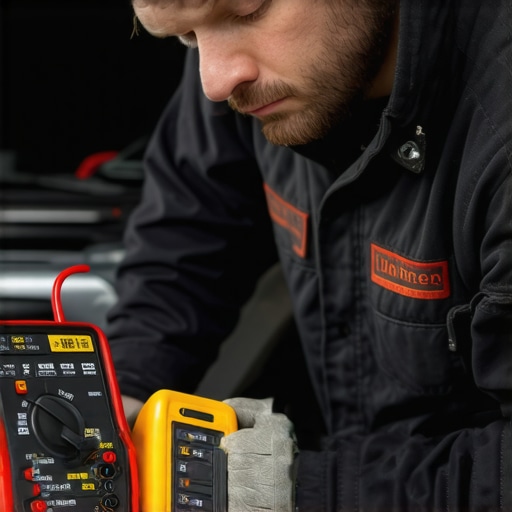
For identifying subtle leaks or exhaust system issues, I use a smoke machine. Renting models like the Sealey Smoke Generator allows me to pinpoint leaks that could compromise emissions or engine performance—saving costly repairs in the future. Additionally, a quality digital multimeter (I prefer the Fluke 115) is essential for testing sensors, connections, and electrical components. Its accuracy helps me verify voltage drops or faulty grounds, ensuring my repairs are precise and reliable.
When it comes to cleaning and preventative maintenance, I swear by a compressed air kit with a detailed nozzle set. Cleaning fuel injectors, sensors, and PCVs becomes effortless, significantly reducing the buildup that can impair performance. For oil changes, I use a MagnaFlow Oil Extractor Pump. This tool simplifies oil removal without the mess of traditional draining, and I’ve found it reduces engine stress by allowing for a cleaner, more controlled process.
Why Invest in Quality Over Cheap Alternatives
Cheap tools and additives can be tempting, but they often lack durability or precision. Over time, investing in well-made equipment ensures consistent results and safety, ultimately saving money. As vehicle diagnostics become more complex, embracing advanced tools like professional diagnostic devices allows you to catch issues early and maintain your car’s longevity.
Looking ahead, the trend in auto maintenance leans toward integrated diagnostics and smart tools that communicate with vehicle systems directly. Wireless, app-based scanners are gaining popularity, giving real-time updates and troubleshooting advice right on your smartphone. I predict that embracing these innovations will empower everyday drivers to perform more complex repairs safely and efficiently.
How do I maintain my vehicle’s health over time?
The key is consistent diagnostics combined with routine maintenance routines, like oil changes using high-quality products, air filters, and fluid checks. Regular inspections with advanced tools help identify potential problems before they escalate. For example, using a modern oil change technology can extend your engine’s lifespan by ensuring proper lubrication and cleaning of critical parts.
Why not give a dependable diagnostic tool a try today? It’s an investment that pays off by reducing unexpected breakdowns and repair costs. Remember, proactive maintenance, paired with the right equipment, is your best strategy to keep your vehicle working reliably for years to come.
Lessons Car Owners Often Overlook in Auto Care
- My most eye-opening lesson was realizing that rushing through scheduled maintenance like oil changes and filter replacements can cost much more in the long run, especially if neglecting critical parts like oxygen sensors or timing belts.
- Another insight was discovering how diagnostic trouble codes are often misunderstood; knowing how to interpret these signals prevented me from falling into costly traps, like replacing parts prematurely.
- I also learned that trusting generic tools over professional-grade diagnostic equipment can lead to misdiagnosis, making professional help or advanced tools essential for accurate repairs.
- The biggest lightbulb moments came when I understood the importance of routine inspections—catching issues early, such as minor exhaust leaks or worn bushings, saves a fortune and keeps my car running smoothly instead of waiting for symptoms to worsen.
Tools and Resources That Transformed My Auto Maintenance
- The Autel MaxiScan MS300 has been my go-to for quick diagnostics; its reliability and ease of use give me confidence during inspections.
- The professional diagnostic devices provide in-depth insights that simple scanners can’t, helping me identify root causes before they escalate.
- For preventive maintenance, I trust the latest oil change technologies, which ensure my engine stays clean and efficient longer.
- The comprehensive brake service guides keep me informed about critical safety steps, so I avoid common pitfalls and ensure my vehicle’s stopping power is reliable.
Your Turn to Take Control of Your Vehicle’s Health
Every driver can make smarter choices by embracing proactive diagnostics and routine maintenance. The key lies in understanding what your vehicle is truly telling you, rather than just reacting to warning lights or symptoms. With the right knowledge and tools, you can extend your vehicle’s lifespan, save money, and ensure safety — all while feeling more confident behind the wheel. Now’s the moment to prioritize your car’s health and set a maintenance routine that addresses future issues before they become expensive problems. Ready to get started? Share your experiences or ask questions below; I’d love to hear how you’re making a difference in your auto care journey.