
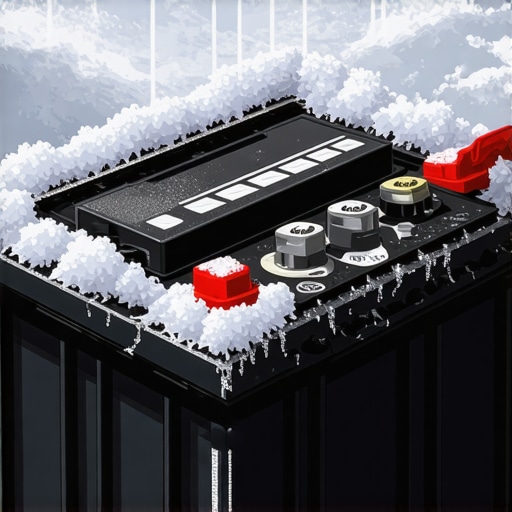
It hit me one frigid morning as I stood outside, fighting with my car to start—again. That sinking feeling, realizing my battery was dead in the freezing cold. It wasn’t just annoyance; it was a recurring nightmare every winter, and I knew I wasn’t alone. Over the years, I learned that this frustrating phenomenon isn’t just bad luck—there’s a reason behind it, and more importantly, a way to fix it.
Why Do Car Batteries Fail When the Temperatures Drop?
Freezing weather can turn an already aging or weak battery into an uncooperative slab of metal. Batteries lose about 35% of their capacity at 20°F and even more at sub-zero temperatures, according to automotive experts. This capacity loss means your battery can’t supply the extra power needed to start your engine in cold weather. Plus, thickening oil and sluggish fuel delivery add to the strain. My early mistake was thinking a new battery would solve everything—until I realized I was overlooking other factors. Want to avoid being left stranded next winter? Let’s unravel this mystery together.
Is Cold-Weather Battery Failure Actually Just Bad Karma?
When I first faced this problem, I thought it was just bad luck or a fluke. As I delved deeper, I discovered a common mistake: neglecting to check the age and condition of the battery before winter hits. A battery only lasts about 3-5 years, and many drivers ignore signs of weakness until it’s too late. To really get ahead, I started performing regular checks and considering cold-weather-specific maintenance. For more insights on keeping your vehicle in top shape, visit our guide on auto repair tips for longevity.
Understanding the mechanics behind battery failure can empower you to take action before the first snow hits. In the upcoming sections, I’ll share practical steps that transformed my approach and saved me from dead batteries and cold mornings. Ready to learn how to keep your car reliable through winter? Let’s get started.
Assess Your Battery’s Age and Condition
Start by locating your battery, usually under the hood, and check its age. Most batteries last 3-5 years. If you’re unsure, remove it and look for the manufacturing date stamped on the case. I remember when I first did this; I found my battery was four years old and showing signs of wear, prompting me to plan for replacement before winter hit. Regularly inspecting your battery’s condition is like giving your car a health check—to catch issues early.
Clean Battery Terminals for Better Conductivity
Corrosion buildup on terminals is a common problem, especially in humid or salty environments. Use a mix of baking soda and water with a wire brush to scrub away corrosion. I once neglected this step, and it resulted in sluggish starts during a cold snap. After cleaning my terminals, I noticed immediate improvement in start-up performance, proving how vital surface cleanliness is for reliable power delivery. This simple maintenance step ensures a solid electrical connection when it matters most.
Test Your Battery’s Cranking Power
Use a multimeter to measure voltage—aim for 12.6 volts or higher when the engine is off. For a quick check, turn on your headlights and start the engine; if the lights dim significantly or flicker, your battery might be weak. I made the mistake of ignoring these signs, leading to a dead battery on a freezing morning. Testing your battery periodically like this is akin to measuring your blood pressure—an early warning system that helps prevent breakdowns.
Inspect and Replace Battery Cables if Necessary
Look for frayed insulation, loose connections, or corrosion along the cables. Tighten any loose clamps and replace cables with damaged insulation. During my last fix, I replaced a worn cable with a rusted connector, which instantly restored reliable starts in cold weather. Just like upgrading worn-out wires in an electronic device, maintaining good connections in your car’s electrical system ensures efficient power transfer.
Consider Using a Battery Warmer or Trickle Charger
If you live in an area with severe winters, installing a battery heater can keep your battery at optimal temperature, preventing capacity loss. Alternatively, using a trickle charger during prolonged cold spells maintains your battery’s charge. I’ve benefited from a portable heater last winter, especially during prolonged cold snaps, which kept my battery performing like new. Think of these tools as blankets for your battery—keeping it warm and active during the coldest days.
Evaluate Your Vehicle’s Charging System
Use vehicle diagnostics or visit a professional to check if your alternator and voltage regulator are functioning correctly. A failing alternator can cause your battery to drain quickly, leading to unexpected failures. I once ignored a sluggish warning from my dashboard; the resulting breakdown was frustrating. Regular diagnostics help detect issues early, similar to how a doctor uses tests to catch diseases before symptoms worsen.
Plan Ahead Before the Cold Arrives
Schedule a comprehensive check-up with a qualified mechanic at least a month before winter to identify potential issues. This proactive step is like getting a flu shot—preventive care that saves you from emergency breakdowns. My experience with early preventive measures saved me from getting stranded during a snowstorm last year, reinforcing that foresight pays off.
Many car owners believe that sticking to routine services like oil changes or brake inspections is enough to keep their vehicle running smoothly. However, this mindset often oversimplifies the complexities of auto maintenance and can lead to costly mistakes. Let’s explore some misconceptions and hidden nuances that even seasoned drivers tend to overlook, ensuring you’re better equipped to handle your vehicle with confidence.
Are All Oil Changes Created Equal?
Everyone thinks they know when to change their oil, but the truth is more nuanced. Many rely solely on mileage intervals, ignoring the importance of oil type and driving conditions. For instance, modern oil technologies now allow for longer intervals, but these require proper maintenance and understanding of your driving habits. Overlooking these subtleties can lead to engine wear and reduce its lifespan, especially if you ignore signs like dark or gritty oil.
Brake Service: More Than Just Pads
Many think that replacing brake pads is the ultimate fix—forgetting that other components like rotors, calipers, and brake fluid play critical roles. A common trap is neglecting to inspect these parts regularly. Ignoring uneven rotor wear or contaminated brake fluid can compromise safety. For a deep dive into what matters most for your brakes, check out our brake service guide. Remember, a comprehensive approach saves money and enhances safety.
Vehicle Diagnostics and the Hidden Pitfalls
Automotive diagnostics tools have revolutionized vehicle maintenance, yet many owners misuse or underestimate them. Relying solely on dashboard warning lights without understanding the underlying issues is a mistake. For example, codes can be ambiguous or point to problems that aren’t urgent. Advanced diagnostics can prevent breakdowns by revealing hidden faults early—like failing sensors or loose connections—that casual checks might miss.
What’s the Biggest Mistake Owners Make When Trying to Save on Repairs?
Chasing cheap fixes instead of quality repairs often leads to higher costs down the line. Many consider DIY fixes appealing, but improper repairs can worsen the problem. For example, a poorly replaced brake pad or an incorrect oil type can damage your engine or brakes. It’s vital to understand that long-term vehicle health depends on adhering to manufacturer standards and expert intervention when needed. Reading about auto repair hacks can help you make smarter choices.
Have you ever fallen into this trap? Let me know in the comments. Remember, a deeper understanding of these nuances not only prevents costly repairs but also extends your vehicle’s lifespan. For more detailed insights, review our top auto repair tips and stay ahead of issues before they escalate.Ensuring your vehicle stays reliable over the long haul requires more than just quick fixes; it calls for the right tools and a strategic approach to maintenance. Personally, I rely on a high-quality digital multimeter for accurate voltage readings—I’ve found that using a reliable multimeter like the Fluke 117 helps me diagnose electrical issues swiftly and confidently, preventing potential breakdowns. Similarly, a professional-grade scan tool, such as the Autel Maxisys Elite, allows me to access comprehensive vehicle diagnostics, uncovering hidden faults before they turn into costly repairs. Investing in these tools has revolutionized how I maintain my vehicle, giving me the ability to perform proactive repairs and avoid surprises on cold mornings.
How do I maintain vehicle health over time?
Developing a disciplined routine that includes regular diagnostics checks, coolant system flushes, and brake system evaluations can significantly extend your vehicle’s lifespan. For instance, periodic engine scans help catch sensor failures early, which I do every few months using diagnostic software compatible with my scan tool. This approach ensures I’m not caught off guard by obsolete or malfunctioning parts that could compromise safety or efficiency. Looking ahead, the trend is moving toward integrated diagnostic platforms that connect wirelessly to your smartphone, making vehicle health monitoring even more accessible. Embracing these innovations now means you can stay ahead of maintenance needs and keep your car running smoothly for years to come. To solidify your maintenance game, I recommend adopting a comprehensive tracking method—digital logs or apps—that record every oil change, tire rotation, and diagnostics test. This systematic approach ensures no critical service is overlooked, ultimately saving you money and stress in the long run. Dive into our detailed guide on auto repair strategies for longevity and start building your maintenance routine today.
Lessons Hidden in Plain Sight for Cold-Weather Auto Care
One of the most valuable insights I gained is that proactive maintenance isn’t just about fixing problems—it’s about anticipating them. For example, regularly checking my battery’s age and condition before winter arrived saved me from a freezing morning with a dead battery. I also realized that simple steps like cleaning terminals and inspecting cables, which I used to overlook, make a significant difference. These lessons taught me that paying close attention to small details can prevent big disasters in cold weather. Additionally, I learned that investing in quality diagnostic tools and preventive measures—like a battery warmer—can extend my vehicle’s lifespan and reliability during the harshest months. Embracing these hidden strategies transformed my approach, turning winter from a threat into a manageable challenge.
Tools and Resources I Trust for Cold-Weather Vehicle Maintenance
Getting my hands on reliable tools has been a game-changer. I swear by the auto repair hacks guide, which offers practical tips rooted in real-world experience. A high-quality digital multimeter, like the Fluke 117, allows me to perform accurate voltage tests and catch potential issues early. For deeper diagnostics, I turn to the advanced vehicle diagnostics tools, enabling me to identify hidden faults before they turn into breakdowns. Additionally, I recommend keeping an eye on auto repair tips for longevity to guide your maintenance routine. These resources have helped me save time, money, and stress, especially during winter’s toughest tests.
Keep That Spark Alive: Your Turn to Take Action
Remember, proper winter car care isn’t just a one-time task—it’s an ongoing process that rewards preparedness. By integrating these lessons and tools, you can ensure your vehicle remains reliable even in the coldest conditions. The key is to stay proactive and attentive to your car’s needs, transforming maintenance from a chore into a confidence booster. My experience has shown me that small, consistent efforts pay off big, keeping you safe and stress-free when winter arrives. Now, it’s your turn: What’s the one maintenance step you’re planning to focus on before the next cold snap? Share your thoughts below and let’s support each other in mastering winter vehicle care.