
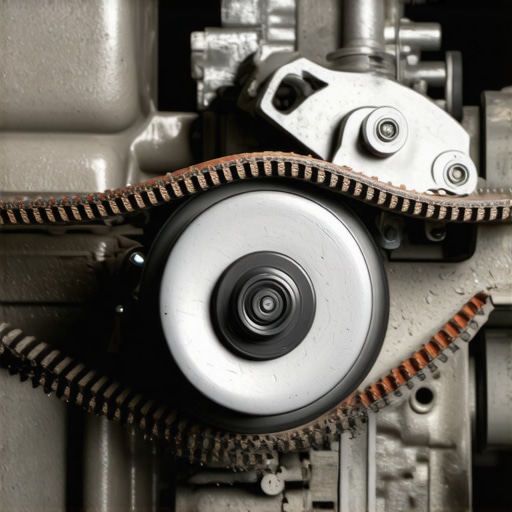
I remember the day vividly. I was under the hood, attempting to diagnose a strange squealing noise that worsened every morning. As I fiddled with the belts, I realized I wasn’t entirely sure how to tell if my timing belt was stretching—without the cumbersome task of removing the cover. It felt like trying to read tea leaves—guesswork and a lot of hope. That moment was a lightbulb for me; I knew many car owners probably face this same uncertainty but lack easy, reliable ways to check their timing belts without diving into full engine disassembly.
Why Checking Your Timing Belt Matters—Without Removing the Cover
The timing belt is the unsung hero under your hood, synchronizing your engine’s valves and pistons. When it stretches or wears out, the consequences can be catastrophic—think engine misfires, poor performance, or even costly repairs. Yet, many drivers overlook the importance of inspecting this vital belt until it’s too late. The usual advice? Remove the cover and have a mechanic look. But let’s be honest—who has time or expertise to do that regularly? Luckily, there are practical signs you can look for, right from outside your engine bay, that can hint at a stretched or failing timing belt.
The Big Skepticism: Is It Really Possible to Check Without Disassembly?
Early in my auto repair journey, I made the mistake of assuming that unless I removed the cover, I couldn’t possibly assess my timing belt’s condition. Turns out, that was a misconception rooted in traditional tech advice. Modern insights and a little know-how can reveal the telltale signs of belt stretch. According to automotive experts, some visual and physical cues don’t require full removal—saving you time and potentially avoiding expensive repairs. So if you’ve ever wondered, “Can I really tell if my timing belt is stretched without the cover off?”—the answer is yes, with the right approach.
If you’ve faced odd engine noises, rough starts, or a check engine light related to timing issues, these could be early warning signals. Don’t wait until a belt snaps or causes engine damage. Let’s explore how you can spot these signs with simple checks and understand what they mean for your car’s health. Curious to learn more? Keep reading to discover practical, real-world tips that might just save your engine and wallet someday.
Inspect the Belt’s External Condition Carefully
Begin by opening your engine bay and locating the timing belt, usually accessible through a side or top cover. With a flashlight, examine the belt for signs of wear such as cracks, glazing, or missing teeth. I once inspected my belt after noticing a subtle squeal, and discovered a small crack on the outer surface, which alerted me to impending failure. This simple visual check can save you from a roadside breakdown.
Look for Signs of Belt Stretch or Slack
Next, gently press down on the belt with your fingers. It should be firm but not overly tight or loose. If you feel significant slack or the belt feels like it’s sagging, it could indicate stretching. Think of it like a guitar string—if it’s too loose, the tone drops; if it’s too tight, it risks snapping. Adjusting tension might be possible without cover removal if your vehicle’s design allows. Refer to your vehicle’s manual for specific tension specifications.
Check the Tensioner and Pulley Alignment
Observe the pulleys and tensioner for wobbling or misalignment. Use a straight edge or a laser pointer to see if pulleys are square and properly aligned. A misaligned pulley causes uneven wear. I once noticed my tensioner wobbling during a routine check, which prompted me to replace it before actual belt damage occurred. Proper tensioner operation is crucial for maintaining belt integrity.
Listen for Unusual Noises During Engine Running
Start your engine and listen carefully for squealing or chirping sounds, especially during cold starts. These noises may indicate belt slippage or tension issues. When I heard a high-pitched squeal early one cold morning, I quickly checked and tightened the belt slightly—rescuing myself from a potential breakdown.
Use a Vehicle Diagnostic Tool for Timing-Related Codes
Connect an OBD-II scanner to your vehicle. Check for codes related to camshaft or crankshaft timing. Modern cars store fault codes if the timing belt isn’t advancing correctly. I used a scanner once after noticing rough idling and a check engine light; the codes revealed timing misalignment, prompting me to inspect the belt tension.
Keep Track of Mileage and Service Intervals
Know your vehicle’s recommended timing belt replacement interval, usually between 60,000 and 100,000 miles. Document your mileage, and if you find yourself close to or beyond this point, replacing it proactively can prevent costly repairs. I learned this tip the hard way when ignoring the interval, leading to timing belt failure and engine damage.
When in Doubt, Seek Professional Help
If your DIY inspection reveals any irregularities or if you’re unsure about the belt’s condition, consult a professional. Automotive experts can perform precise tension measurements and internal inspections if needed. Remember, quick action can save your engine and money in the long run. For trusted assistance, visit our contact page to get expert advice or schedule a check-up.
Many car owners operate under misconceptions that can lead to overlooked issues or unnecessary repairs. For example, a prevalent myth is that brake pads need to be replaced purely based on squealing sounds. In reality, these noises can sometimes originate from dust or a thin layer of rust, not necessarily worn pads. Relying solely on auditory cues without proper inspection might prompt premature replacements, wasting money and time. Advanced diagnostic tools, such as load testers and infrared scanners, reveal hidden problems in your braking system or engine that are invisible to the naked eye. This contrasts sharply with the outdated belief that only a mechanic can perform accurate diagnostics, which is no longer true thanks to modern technology.
What sophisticated signals can tell you whether your vehicle truly needs repairs, without a shop visit?
Often, drivers dismiss subtle symptoms like slight vibrations or fluctuating idle RPMs as normal wear. However, studies, including insights from automotive experts, suggest these are early warnings of deeper issues like uneven tire wear or failing sensors. Ignoring them can escalate problems into costly repairs. For instance, a misfiring cylinder may produce minimal initial symptoms but, if detected early with advanced vehicle diagnostics, can be fixed before damaging the catalytic converter. A common error to avoid is neglecting routine checks — many believe that an oil change is all that’s needed regularly, but neglecting fluid flushes or filter replacements reduces engine longevity. Comprehensive maintenance, supported by proper diagnostics, not only prolongs vehicle lifespan but also improves safety and efficiency. Remember, understanding what your car’s signals really mean is vital. Regularly review your owner’s manual and keep an eye on data-driven reports rather than relying solely on visual cues. To stay ahead of potential issues, consider consulting with trusted professionals when in doubt. If you’re wondering how to prevent costly breakdowns, visiting auto repair tips can provide valuable strategies. Have you ever fallen into this trap? Let me know in the comments.
Keeping Your Vehicle in Top Shape with the Right Tools
Maintaining your vehicle’s performance over time requires more than just basic knowledge; it relies heavily on having the right equipment at your disposal. From routine oil changes to complex diagnostics, investing in quality tools ensures accuracy, safety, and long-term savings. I personally recommend a combination of digital and manual equipment to cover various maintenance tasks efficiently.
One indispensable tool I use regularly is the OBD-II scanner. Not all scanners are created equal; I prefer models like the BlueDriver because of its compatibility with my vehicle and sophisticated diagnostic capabilities. This device helps me interpret stored fault codes related to engine misfires, emissions, and transmission issues, enabling faster troubleshooting without unnecessary trips to the shop.
Complementing diagnostics, I recommend a sturdy digital multimeter. It’s vital for checking battery voltage, sensor outputs, and wiring integrity. I always keep mine calibrated and ready, as it allows me to identify parasitic drains or faulty sensors before they escalate into major repairs.
For brake service, I lean on a brake caliper piston tool and a proper torque wrench. These ensure that components are installed correctly and safely, avoiding uneven wear or braking issues down the line. Proper torque calibration is crucial; I use a wrench that allows me to set exact pressures according to the manufacturer’s specifications, which I verify against the data in my vehicle’s service manual.
Embracing Technology for Long-Term Results
The trend in automotive maintenance is increasingly moving towards integrated systems that simplify diagnostics and repairs. Software updates for scan tools and apps that log maintenance history, like my recommended maintenance trackers, provide valuable insights and reminders. Looking ahead, I predict even more advanced diagnostic tools will become accessible to laypeople, reducing dependency on professional mechanics and empowering car owners to keep their vehicles running smoothly for years to come.
How do I keep my tools and techniques effective over time? Do regular calibration and updates. Staying abreast of new models and software updates ensures compatibility and accuracy. Also, dedicating a small portion of your garage as a maintenance hub with organized storage can make all the difference, saving you time and frustration. Access to quality tools isn’t just about convenience—it’s about reinforcing confidence in your auto care skills.
For personalized advice or to schedule a professional inspection, don’t hesitate to reach out here. Remember, investing in the right tools today pays off in vehicle reliability tomorrow, especially when performing critical tasks like brake service or timely oil changes with the latest techniques and equipment.
What I Didn’t See Coming About Timing Belts
- One of the toughest lessons was realizing that visual cues, like cracks or looseness, are more reliable than I initially thought—saving me from catastrophic failures.
- Understanding pulley alignment and tension can be the difference between a smooth ride and costly engine damage, yet many overlook these simple checks.
- Waiting for overt symptoms, such as strange noises or rough running, often means it’s already too late; proactive inspection is key.
- Using diagnostic tools early can reveal hidden issues before they escalate—it’s a real game-changer in auto repair.
Tools That Transform How I Maintain My Vehicle
- The BlueDriver OBD-II scanner became my go-to for quick, accurate diagnostics—trust me, knowing what’s happening behind the scenes empowers better decisions.
- Having a calibrated multimeter helps me spot electrical issues and parasitic drains that could otherwise drain my wallet over time.
- Investing in quality tools like torque wrenches and brake caliper pistons tools has improved my repair confidence and safety margins.
- Staying updated with software and maintenance logs ensures I’m always working with the latest information and techniques—it’s like having a personal mechanic in my garage.
Embrace Your Power to Keep Your Vehicle Running Strong
Remember, understanding your car’s signals and taking proactive steps can prevent unexpected breakdowns and save you money. Each inspection, tool, and bit of knowledge adds to your confidence on the road. So, why not take that extra moment today to check your belt or run a quick diagnostic? Your vehicle—and your peace of mind—will thank you.
Have you ever caught a warning sign that saved you from a bigger problem? Share your story below and inspire others to stay vigilant with their auto maintenance!
**Your turn to try:** What small check has made the biggest difference in your vehicle’s lifespan? Let me know below.