
It was dawn, and I was stepping into my car, ready for a quick trip to the store. But as I pressed the brake pedal, it felt like pressing on a steel beam—hard as a rock. Panic set in. Why did my brakes, which worked fine yesterday, suddenly become this unyielding barrier? That moment of helplessness is all too familiar for many drivers, and I’ve been there myself.
Many people don’t realize that this isn’t just a random glitch—there’s a simple, often overlooked reason for it. Today, I want to share what I’ve learned through firsthand experience and troubleshooting, to help you understand this frustrating issue and how to fix it once and for all.
The Real Cause Behind the Stiff Brake Pedal After a Night’s Rest
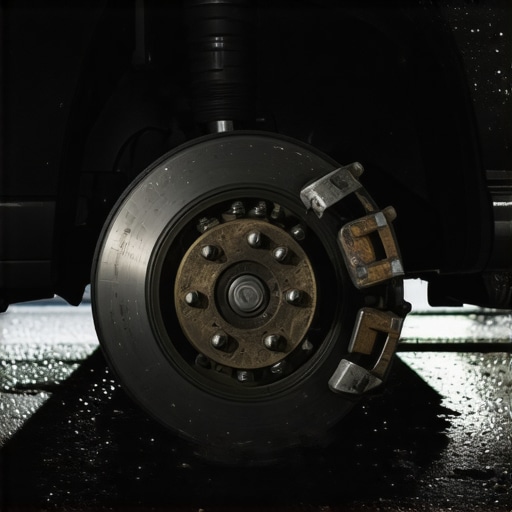
When your car sits overnight, the brake system can develop a feeling of stiffness due to moisture and rust forming on certain components. One common culprit is the phenomenon of rust buildup on the brake rotors and calipers. Moisture in the air settles on these surfaces, and without regular driving to keep things clean, a thin layer of rust can develop overnight. This rust essentially acts like a temporary brake pad, causing that initial resistance when you first press the pedal in the morning.
But there’s more—air trapped in the brake lines or a slight leak can cause similar symptoms. When brakes sit unused, the hydraulic pressure can decrease if there’s a small leak or if the brake fluid absorbs moisture and gets contaminated. This can lead to a spongy pedal or, in some cases, a pedal that feels hard as a rock.
Early on, I made the mistake of ignoring the signs, thinking it was just rust that would disappear after a bit of driving. Turns out, that’s not always the case. Rust can be cleaned, but persistent issues might mean your brake system needs more thorough inspection. Understanding the nuances of brake behavior can prevent dangerous situations—like suddenly losing braking power on the road.
To get to the bottom of such issues, practical diagnostics and regular maintenance are key. If you’re facing this problem, don’t ignore it. Addressing underlying brake system problems can be as simple as cleaning rust or as complex as replacing worn calipers or lines. Want to learn how to properly diagnose your brake system? Check out our detailed guide on brake service for safety and performance.
Now, let’s move beyond the cause and explore some effective steps to restore your brakes’ responsiveness, ensuring you don’t wake up to a dangerous driving situation again.
Inspect Brake Fluid and Lines
Begin by checking your brake fluid level and condition. Open the hood and locate the brake fluid reservoir, typically near the firewall on the driver side. If the fluid is low, top it off with the recommended type. Look for any signs of leaks or wet spots on brake lines or around the wheels. Remember, contaminated or low brake fluid hampers hydraulic pressure, making the pedal feel stiff. In my experience, topping off solved minor issues, but persistent stiffness requires further diagnosis.
Bleed the Brake System to Remove Air
Air trapped in the brake lines is a common cause of pedal stiffness, especially after sitting idle. To bleed the brakes, you’ll need a helper, a clear plastic hose, and a wrench. Start at the wheel farthest from the master cylinder. Loosen the bleed screw, have your assistant press the brake pedal slowly, then tighten the screw before releasing the pedal. Repeat until you see clear, bubble-free fluid. I once spent a frustrating hour bleeding brakes and saw immediate improvement, restoring normal pedal feel.
Clean Rust from Rotors and Calipers
Surface rust on rotors and calipers can also cause initial resistance. Use a wire brush or brake cleaner to remove rust buildup. For stubborn rust, consider light sanding with fine-grit sandpaper. If you’re comfortable, remove the wheel and caliper for thorough cleaning. I recommend doing this as a regular preventive step—especially if your car sits unused for days—to maintain smooth brake operation. For detailed procedures, review our brake service guide.
Test Brake Calipers for Proper Operation
Worn or sticking calipers can cause uneven pressure, leading to a hard pedal. To assess, jack up your vehicle, remove the wheels, and manually check the calipers for freedom of movement. Press the brake pedal and observe caliper pistons; they should move smoothly without sticking. If pistons are seized, consider replacing or rebuilding calipers. In my case, replacing a sticking caliper led to a dramatic improvement in pedal feel and stopping power.
Verify and Replace Worn Components
Check brake pads and rotors for uneven wear or damage. Worn pads or warped rotors increase brake resistance. Use a gauge to measure rotor thickness and visually inspect pad thickness. If components are below specifications or visibly damaged, plan for replacement. Regular inspections can prevent such issues. Remember, using quality parts like those recommended in our auto repair tips can extend brake life.
Schedule Professional Maintenance if Needed
Persistent brake problems may require expert diagnosis and repair. If the above steps don’t resolve the stiff pedal or if you notice brake fluid leaks, unusual noises, or decreased braking performance, contact a certified mechanic. Visiting a professional ensures safety and proper system function. For guidance on how diagnostics can prevent costly repairs, see advanced vehicle diagnostics.
Many car owners believe they understand the basics of auto repair, but there are subtle truths and misconceptions that can lead to costly mistakes. For example, a widespread myth is that every dealership or mechanic shop always does comprehensive diagnostics before a repair—however, some shops skip thorough checks to save time or money, risking missed underlying issues. This oversight can turn minor problems into major, expensive repairs down the line. **Let’s challenge the assumption that simple repairs are always straightforward; advanced vehicle diagnostics reveal complexities many overlook.**
One overlooked nuance is the importance of understanding the interplay between different systems when performing an oil change. Many assume that simply replacing the oil is enough, but neglecting to inspect the filter, drain plug, or perform a computer-based system check can cause hidden issues, such as oil leaks or sensor malfunctions, that reduce engine efficiency. Regularly consulting detailed guides on oil change innovations can help avoid this trap.
**Beware of the common trap of relying solely on visual inspection for brake system issues.** Visual checks are useful, but some failures, like internal caliper sticking or subtle corrosion within ABS sensors, require specialized diagnostics. Many drivers delay professional checks, thinking ‘I see no leaks or wear,’ yet neglecting these nuanced problems can compromise safety. As expert automotive technician decoding diagnostics reveals, advanced tools detect hidden flaws invisible to the untrained eye.
From my experience, another misconception is that vehicle diagnostics are only essential when a warning light appears. In reality, routine diagnostics can identify emerging issues—like a weakening battery or pending transmission service—that aren’t yet signaling alerts but could cause breakdowns. Performing regular check-ups based on advanced diagnostics techniques can save money and prevent sudden failures.
### Are You Falling for the Biggest Auto Maintenance Trap?
Many believe that sticking to basic maintenance schedules is enough, but what they often miss are the subtleties behind proper repairs. For example, a simple oil change without addressing underlying sensor errors or software updates can lead to inefficient engine control. Vehicles today rely heavily on integrated systems, and neglecting these details can diminish performance and longevity.
**Don’t forget that real auto mastery involves understanding these hidden details.** Staying informed through reputable guides and consulting professionals when in doubt ensures your vehicle remains reliable. If you’re unsure whether your mechanic is performing comprehensive diagnostics or if your vehicle exhibits subtle signs of trouble, don’t hesitate to contact industry experts via our contact page. Have you ever fallen into this trap? Let me know in the comments.Maintaining a vehicle’s optimal performance over time requires a combination of selecting the right tools and applying proven techniques. As someone deeply involved in auto repair, I can attest that investing in the right equipment not only saves money but also ensures safety and efficiency in the long run. One essential tool I rely on is a high-quality OBD-II diagnostic scanner, such as the Autel MaxiCOM MK808. This device allows me to quickly identify engine issues, reset service lights, and clear fault codes, preventing small problems from escalating. I personally prefer models that have extensive vehicle coverage and user-friendly interfaces, as they streamline diagnostic processes and reduce downtime. When combined with software like Car Scanner ELM OBD2, which connects seamlessly to smartphones, it’s possible to get real-time data and perform proactive maintenance checks wherever you’re parked.
For fluid management, I recommend using a digital multimeter that can also measure resistance and voltage. This tool helps verify sensor outputs and electrical connections—crucial factors often overlooked during routine maintenance. Additionally, a cordless rotary tool with variable speed settings can efficiently clean rust from rotors and calipers before they cause uneven braking performance. In my practice, maintaining your brake components with such precision tools can extend their lifespan and ensure safety.
The future of vehicle maintenance is increasingly leaning toward automation and data integration. Emerging technologies like connected diagnostic devices and cloud-based vehicle health reports are expected to make maintenance more predictive than reactive, enabling owners and technicians to address issues before symptoms manifest.
**How do I keep my vehicle diagnostics effective over time?** Regularly updating your diagnostic software and calibrating tools ensures they remain accurate and reliable, which is vital as vehicles evolve technologically. For example, integrating a dedicated scan tool with manufacturer-specific capabilities, like the Snap-On SOLUS Edge, allows for deeper insights into complex systems.
Remember, precision in diagnostics and maintenance tools translates directly into better vehicle performance and longevity. I encourage you to try using an advanced scanner to perform a comprehensive health check of your car today. If you need guidance selecting the right equipment or want tailored maintenance strategies, feel free to reach out through our contact page. Consistent use of the right tools coupled with methodical techniques forms the backbone of reliable auto care and future-proof vehicle ownership.
What I Wish I Knew About Brake Care When I Started
One of the most eye-opening lessons was realizing that rust isn’t the enemy but a sign to perform regular maintenance before it worsens. Investing in quality diagnostic tools early on saved me from costly repairs later, highlighting the importance of proactive checks. I also discovered that telling signs often hide beneath surface issues, making advanced diagnostics indispensable—not just a luxury but a necessity for true safety.
Understanding the subtle interplay between brake components transformed my approach from reactive to preventative. It’s not just about fixing what’s broken but preventing problems before they start, which requires a mix of experience, patience, and the right tools.
Tools That Turn Routine Repairs Into Confidence
My go-to items include a high-quality OBD-II scanner, like the Autel MaxiCOM MK808, which offers deep insights beyond generic trouble codes. For cleaning rust, a cordless rotary tool combined with brake cleaner accelerates the process. Regularly using a digital multimeter ensures electrical components like sensors stay within optimal parameters. These tools, trusted through hands-on experience, have become essential for efficient, safe repairs.
The key isn’t just having the tools but understanding when and how to use them. Staying updated with software and diagnostic techniques—like those found in our vehicle diagnostics explanations—keeps my repair process sharp and reliable.
Your Next Move Toward Auto Confidence
Now it’s your turn to embrace the nuances of brake and auto repair. Upgrading your toolset or learning more about diagnostics can dramatically improve your safety and those around you. Don’t wait for visible warning signs—be proactive and keep your vehicle in peak condition with the knowledge and resources available. Ready to take that step? Reach out anytime through our contact page and let’s make your vehicle maintenance a confident routine.