
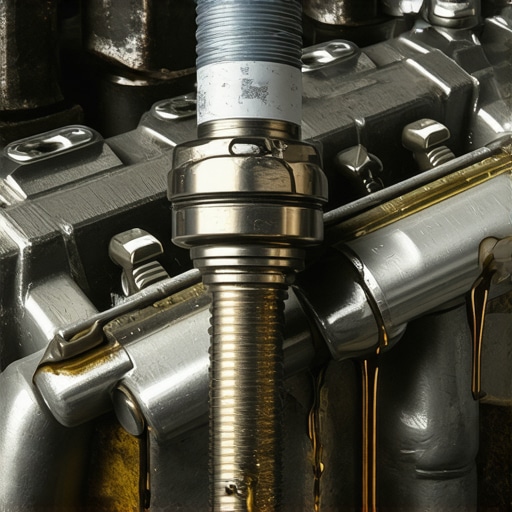
Have you ever cursed your stubborn spark plug when trying to tighten it, only to realize later that you might have gone too far? I remember the frustrating moment in my driveway, fingers aching, thinking I had fixed my engine’s rough running. But shortly after, my car refused to start. The culprit turned out to be a classic mistake—overtightening the spark plug. That lightbulb moment taught me a lot about the importance of proper torque, and it’s a lesson I want to share with every DIY enthusiast and car owner.
Why tightening spark plugs is more than just a turn of the wrench
In the beginning, I thought that snugging a spark plug as tight as possible would keep everything sealed and running smoothly. But I quickly discovered that a little too much torque can cause real damage—stripped threads, cracked ceramic insulators, or worse, damaged cylinder heads. According to professional mechanics, applying the correct torque is essential not just for sealing but also for preventing long-term engine issues. Over-tightening might seem like a quick fix, but it can lead to costly repairs down the road.
Is Over-tightening Really a Big Deal?
Many car owners dismiss this as minor, but it’s a trap. Early in my auto repair journey, I made the mistake of overtightening a spark plug once, thinking I was ensuring a tight seal. It wasn’t until my engine misfired and I saw the spark plug gnarled and damaged that I understood the severity. The truth is, a few extra pounds of torque can compromise the integrity of your engine’s components—and no, a ‘bit more’ isn’t better. Learning the proper torque specifications for your vehicle is crucial, and I’ll guide you through that process.
If you’re wondering whether your own experience is similar, have you ever faced trouble starting your car after a spark plug replacement? Or perhaps you’ve felt unsure whether you’re tightening it just right? Rest assured, you’re not alone, and I’ll help you avoid the pitfalls that lead to these problems.
Prepare Your Workspace and Gather Necessary Tools
Before you begin, ensure your vehicle is parked on a flat surface, engine cool, and the parking brake engaged. Gather a torque wrench, socket set appropriate for your spark plugs, and a thread lubricant if recommended by your vehicle’s manufacturer. Having all tools ready prevents unnecessary delays and ensures precision during installation.
Inspect and Clean the Spark Plug Area
Remove any dirt or debris around the spark plug to prevent contamination of the engine. Disconnect the ignition coil or wiring harness connector carefully. Use a compressed air blower or a brush to clear the area. This step is crucial for clear access and to avoid debris falling into the combustion chamber, which could cause issues later.
Remove the Old Spark Plug with Care
Loosen the spark plug by turning the socket counterclockwise. Keep steady pressure to prevent breaking the ceramic insulator; brittle ceramics are common when plugs are over-tightened or old. Note any damage or electrode wear, which could indicate other engine problems. When reinstalling, always follow the recommended torque specifications specific to your vehicle model, often listed in the service manual or online.
Apply Proper Torque When Installing New Spark Plugs
Thread the new spark plug by hand to avoid cross-threading, which can cause significant damage. Use a torque wrench set to the manufacturer’s specified torque—typically between 13-22 ft-lb (17-30 Nm). Generally, a snug turn with a torque wrench replicates the correct tightness, similar to tightening a bicycle bolt without overdoing it. This ensures a sealed fit without risking thread damage or ceramic fracture.
Case in Point: My First Experience with Correct Torque
Once, I installed a spark plug and guessed the tightness, ending up with a misfire. After consulting the vehicle manual and using a torque wrench, I tightened it precisely to 18 ft-lb. The engine ran smoothly afterward, and I avoided costly repairs. This experience taught me the importance of accurate torque values and proper tools.
Reconnect and Test
Reattach the ignition coil or wiring harness securely. Double-check that the spark plug is seated correctly and that all tools are removed from the engine bay. Start the engine to verify smooth operation. If there are misfires or irregular running, recheck the torque and connections. For more detailed steps on ensuring your vehicle runs flawlessly, visit Auto Repair Hacks.
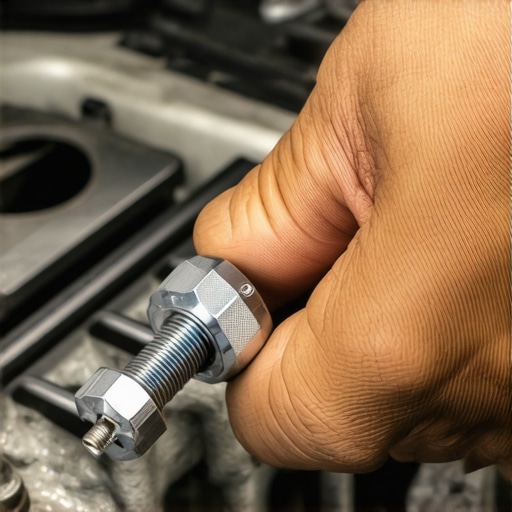 Many vehicle owners believe that fixing their car is straightforward or that conventional wisdom always applies, but in my experience, these assumptions can lead to costly mistakes. For instance, a widespread myth is that changing the oil frequently is all about frequency, but in reality, understanding the specific oil type and engine needs is crucial, as highlighted in recent studies on engine wear and tear. Relying solely on mileage intervals without considering driving conditions can cause you to either over-maintain or neglect essential oil changes, increasing the risk of engine damage.
Another common trap is oversimplifying brake service. Many think that pad replacement alone suffices, but neglecting rotor condition or the hydraulic system can jeopardize safety. A detailed inspection is vital, and skipping it might cause uneven wear or brake failure over time. For deeper insights, check out [Brake Service Myths Busted](https://repairmycarpro.com/brake-service-myths-busted-what-really-matters-for-safety).
Vehicle diagnostics often seem like a black box to amateurs. Many assume that clearing dashboard warning lights temporarily fixes problems, but ignoring the root cause can lead to severe engine or transmission failures. Advanced diagnostics, such as interpreting sensor data accurately, can prevent breakdowns before they happen. Learning to decode these signals is essential; see [Decoding Vehicle Diagnostics](https://repairmycarpro.com/decoding-vehicle-diagnostics-what-your-car-is-trying-to-tell-you) for expert guidance.
The nuanced aspects of auto repair are often overlooked, like the importance of the sequence of repairs or using the correct tools for specific models. For instance, using a generic torque wrench setting can strip threads or crack components, which is a mistake I’ve seen many make. Professionals recommend consulting vehicle-specific repair manuals or reputable sources to avoid these pitfalls.
An advanced mistake some don’t realize involves neglecting preventive maintenance of ancillary systems, such as the cooling fan or sensors. These parts contribute significantly to engine longevity but are often ignored until they fail. Regular inspections, guided by expert advice, elevate your maintenance routine from reactive to proactive. For practical preventive tips, visit [Top Auto Repair Tips](https://repairmycarpro.com/top-auto-repair-tips-to-extend-your-vehicles-lifespan).
Are you aware of how minor overlooked details could be affecting your vehicle’s performance and lifespan? Have you ever fallen into this trap? Let me know in the comments. Remember, understanding the intricacies of auto repair saves money and extends your car’s life, so stay curious and informed.
Keep Your Vehicle Running Smoothly with the Right Tools
Maintaining your car over time requires precision and the right equipment. From basic inspections to complex diagnostics, having reliable tools ensures safety, saves money, and extends your vehicle’s lifespan. One device I personally recommend is a high-quality laser infrared thermometer. It’s invaluable for quickly assessing engine temperatures, radiator efficiency, or brake disc heat levels without contact, allowing me to catch potential issues early. Investing in a digital torque wrench has transformed my spark plug replacements; it guarantees I apply the exact torque specified by the manufacturer, preventing damage and ensuring longevity.
Another essential item is a code scanner. I opt for a model that supports advanced vehicle diagnostics — one that outputs real-time sensor data and live stream capabilities. This tool helps me interpret diagnostic trouble codes accurately, reducing guesswork and avoiding unnecessary repairs. A multimeter might seem basic, but it’s critical for diagnosing electrical issues, such as faulty sensors or failing alternators. I prefer a model with auto-ranging features for convenience and accuracy.
What’s the Secret to Maintaining Vehicle Diagnostics Over Time?
To keep your diagnostics sharp, regularly update your code scanner’s firmware and keep the software on your computer or smartphone current. This prevents compatibility issues and ensures access to the latest features, which can dramatically improve troubleshooting capability. Additionally, pairing physical tools with digital apps enhances efficiency—many apps offer car-specific repair guides or torque specifications, making DIY repairs more precise. For example, some apps can tell you if your brake pads are nearing replacement based on sensor data, which I found incredibly helpful.
Thinking ahead, I believe that the future of auto maintenance lies in smart tools and IoT integration. Imagine a sensor network within your vehicle continuously monitoring system health and alerting you via your smartphone before a breakdown occurs. This proactive approach minimizes downtime and costly repairs, transforming auto maintenance from reactive to preventive.
If you’re serious about long-term vehicle care, start by investing in quality diagnostic and measurement tools. Try calibrating your torque wrench this month or updating your code scanner’s firmware — small steps that provide big benefits in reliability and safety. Want personalized advice on selecting tools suited for your car? Feel free to reach out anytime.
Over-tightening spark plugs can feel like a small mistake, but it can lead to costly engine repairs down the line. My lightbulb moment came when a misfire forced me to learn that precision matters immensely. Applying the right torque isn’t just a recommendation—it’s a game-changer. Recognizing this made me realize that proper auto repair isn’t about brute force but about understanding your vehicle’s specific needs. This insight has transformed how I approach maintenance, turning potential mishaps into learning opportunities.
The Lessons Hidden in the Nuts and Bolts of Auto Repair
- One size doesn’t fit all: Using manufacturer-recommended torque settings ensures a perfect seal without risking damage. Relying on guesswork or old habits can spell trouble, especially with ceramic insulators that are brittle and prone to cracking if overtightened.
- The importance of tools: A quality torque wrench isn’t a luxury; it’s an essential for anyone serious about DIY repairs. It’s not just about safety—it’s about respecting the engineering we trust to keep our engines running smooth.
- Beyond the manual: Learning to interpret your vehicle’s specific requirements from repair guides and online resources can save you from the pitfalls of generic advice. I found that consulting dedicated resources, like Auto Repair Hacks, drastically improved my outcomes and confidence.
- The subtle art of touch: Tightening by feel can lead to inconsistency. Embracing precision means setting your torque wrench and trusting the process. It’s a small step that pays massive dividends in engine longevity.
- The cost of neglect: Ignoring proper torque specifications might seem minor, but it can cause threads to strip, ceramic insulators to crack, or even engine failure. Learning from experienced mechanics and referencing vehicle-specific data helps prevent these issues before they happen.
Gear Up with Tools That Make a Difference
Investing in tools like a digital torque wrench and a quality code scanner has revolutionized my maintenance routine. These tools provide accuracy and peace of mind, turning a potentially daunting task into a straightforward process. I also keep an infrared thermometer handy to catch overheating issues early, saving me from expensive repairs.
Your Turn Isn’t Just About Fixing—It’s About Caring
Owning your vehicle’s maintenance empowers you to save money and build a deeper connection with your car. Each proper torque setting, every accurate diagnostic, brings you closer to a dependable ride and a more confident DIY skillset. No matter your experience level, small deliberate steps create meaningful results. Ready to take control of your auto repairs? Remember, every detail counts, and you’re capable of mastering them. Have you ever faced difficulty tightening a spark plug or misunderstood a torque reading? Share your story below and let’s troubleshoot together!