
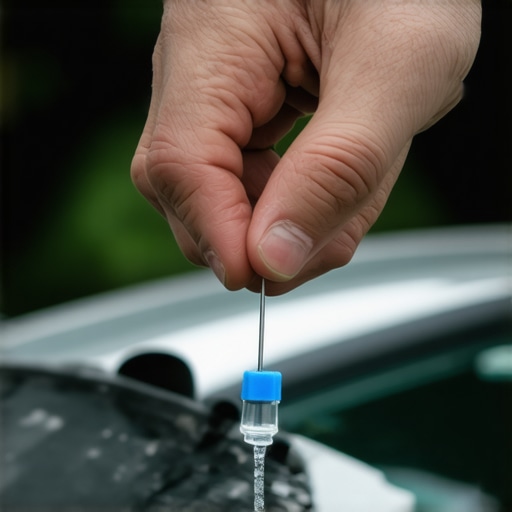
Have you ever jolted your car’s windshield wipers on a chilly morning, only to be met with a stubborn, stubborn spray of useless water? That sudden realization—your washer fluid nozzle is clogged—can be downright frustrating. I remember the first time this happened to me; I was late, the temperature dropped overnight, and my windshield was foggy and unsafe. All I wanted was a quick fix, but I was about to spend more time than I had trying to figure out what was wrong.
Let’s Face It: Clogged Nozzles Can Be a Real Nuisance
Sometimes, despite regular use, washer nozzles suddenly refuse to spray. Cold weather, dirt, and debris often cause blockages that are tricky to spot at first. I used to think I needed professional help for such minor issues, but over time, I discovered it’s something I can handle myself with just a simple tool—a safety pin. It sounds almost too easy, but that’s the beauty of it.
Is Using a Safety Pin to Clear the Nozzle Truly Effective?
Many folks worry about damaging their vehicle or making the problem worse. Early on, I made the mistake of poking at the nozzle with a needle that was too thick or too sharp, risking damage. The key is to use a clean, fine-tipped safety pin to gently dislodge stubborn debris. The process is simple: insert the pin into the nozzle’s opening, wiggle it gently, and watch the blockage clear. And the best part? No special skills or expensive tools needed.
This approach not only restores your washer’s ability to clean your windshield efficiently but also saves you money and time. It’s a quick, effective fix that I recommend to all vehicle owners. If you’re tired of struggling with sprays that barely get your glass wet, keep reading. I promise, by the end of this, you’ll be armed with the knowledge to tackle this annoyance head-on.
So, have you faced this problem yourself? Or are you about to? Either way, let’s dive into how you can fix a clogged washer fluid nozzle with a trusty safety pin. It’s easier than you think—and I’ll walk you through every step.
Prepare Your Tools and Environment
Before diving into clearing your nozzles, gather a clean, fine-tipped safety pin. Make sure your vehicle is parked on a flat surface with the engine turned off, and the windshield is cool to avoid any burns or injuries. Wearing gloves can give you better grip and protect your hands from dirt or debris.
Locate the Clogged Nozzles and Examine the Blockage
Typically, washer nozzles are positioned on the hood, just above the windshield. Check if water is spraying unevenly or not at all. This visual cue signals a possible blockage. If water sprays weakly or not at all, proceed with the cleaning process.
Insert the Safety Pin Gently
Step-by-Step Approach
Carefully take the safety pin and insert its tip into the nozzle opening. Apply gentle pressure—think of it like teasing out a stubborn pearl from an oyster—too much force can damage the nozzle. Wiggle the pin slightly to dislodge any dirt or debris stuck inside. You might feel resistance; that’s normal. Once you feel the blockage loosen, gently twist to ensure the debris is cleared.
Note: Avoid Using Sharp or Thick Instruments
Using needles or pins with dull or thick tips can puncture or damage the nozzle. I recall a time when I used a thick sewing needle, which resulted in a crack. Always opt for a fine, sharp safety pin and handle it with care.
Test Your Washer System
After clearing the nozzles, turn on your windshield washers to check if the spray pattern is uniform and strong. If it’s still weak or uneven, repeat the process. Sometimes, multiple minimal pokes are needed to fully dislodge stubborn blockages.
Use Compressed Air if Necessary
If the safety pin alone doesn’t clear the blockage, a blast of compressed air can help. Use a can of compressed air—they’re inexpensive and available at most hardware stores—and gently blow into the nozzle to push out remaining debris. Be cautious not to apply too much pressure, which could damage delicate components.
Prevent Future Clogs
To avoid recurring blockages, regularly inspect and clean your washer nozzles. During winter, consider switching to a winter-grade washer fluid that’s less prone to freezing and clogging. Also, check your fluid reservoir for dirt or sediment, which can contribute to nozzle blockages.
When to Seek Professional Help
If cleaning with a safety pin and compressed air don’t resolve the issue, or if the nozzle appears cracked or damaged, it’s time to consult a professional. Damaged nozzles may need replacement, which is something an experienced technician can handle efficiently. For expert guidance, contact a trusted auto repair shop through our contact page.
When it comes to vehicle diagnostics, many drivers rely on common beliefs that might not hold up under scrutiny. For instance, the idea that a simple error code always points directly to a faulty component is misleading. In reality, modern cars produce complex diagnostic information that requires nuanced interpretation, often involving comprehensive testing beyond just reading the code. Experts emphasize the importance of understanding the context and the interrelation of different systems, as detailed in authoritative sources like decoding vehicle diagnostics.Maintaining your vehicle’s optimal performance over time requires more than just knowing the basics; it demands the right tools and a strategic approach tailored to your car’s needs. As an enthusiast who has spent years troubleshooting and fine-tuning vehicles, I recommend investing in high-quality diagnostic equipment like an OBD-II scanner, such as the Autel MaxiCOM MK808. This device provides comprehensive error code readings and live data, enabling me to identify issues early before they escalate. Pair this with reputable software like Torque Pro, which offers real-time monitoring directly on my smartphone, making diagnostics convenient and precise.
For routine upkeep, I rely on a hydraulic fender roller, which helps maintain proper wheel clearance and prevents rubbing during suspension modifications. This not only preserves the integrity of your tires but also avoids costly repairs down the line. Additionally, a good set of mechanical hand tools, including a torque wrench and a multimeter, are indispensable for safe, accurate work. My personal experience shows that investing in quality tools pays off: they last longer and deliver consistent results, reducing the risk of damage during repairs.
How do I keep my vehicle running smoothly over years?
Regularly scheduled maintenance is key. This includes timely oil changes using synthetic variants like Mobil 1, which withstand higher temperatures and resist breakdown—ensuring engine longevity. Modern oils contain additives that prevent sludge buildup and reduce wear, as outlined in this detailed guide. Monitoring tire pressure with a digital gauge helps maintain proper contact with the road, improving fuel efficiency and safety. I also recommend using a professional-grade brake fluid tester periodically; degraded fluid can impair braking performance, risking safety during emergency stops.
In the future, I predict vehicle maintenance will become even more integrated with digital diagnostics, possibly via AI-driven apps that recommend repairs based on driving patterns. Staying ahead of these trends by adopting smart tools now will save time and money later.
Why is consistent maintenance crucial for long-term reliability?
Because unresolved minor issues often snowball into major repairs, taking a proactive stance can prolong your vehicle’s lifespan significantly. Moreover, establishing a routine—checking fluid levels, inspecting belts, and cleaning filters—creates habits that prevent unexpected breakdowns. For example, early detection of a failing alternator, identified through a multimeter test, can keep your car from leaving you stranded.
If you’re ready to upgrade your maintenance routine, try using a borescope camera to inspect hidden engine components or exhaust pathways. These tools reveal internal wear patterns that are otherwise impossible to see without disassembly, enabling targeted repairs. For expert assistance, don’t hesitate to contact a trusted shop through our contact page.
The Hidden Lessons Behind a Simple Safety Pin Trick
One of the most surprising insights I gained was realizing how often minor issues like clogged nozzles can be prevented with proactive maintenance and awareness. I used to wait until my washer system completely failed before addressing it, only to discover that a simple safety pin could save the day. This approach taught me the importance of regular inspections and how small, smart fixes can prevent bigger headaches down the road.
Another lesson was understanding the delicate balance between DIY fixes and knowing when professional help is necessary. No matter how confident I felt about poking a safety pin into a nozzle, I learned to recognize signs of damage or persistent blockages that warranted expert attention. This balance is crucial for maintaining your vehicle’s longevity without becoming overly reliant on guesswork.
Lastly, I realized that sharing knowledge empowers others. Explaining this simple fix to friends and family has helped them avoid unnecessary trips to the shop and has fostered a greater appreciation for the importance of vehicle upkeep. Small tips like these can create a ripple effect, making safe driving more accessible and less stressful for everyone.
Essential Tools for Car Care Enthusiasts
My go-to resource for auto repair is the comprehensive auto repair hacks guide. It helped me understand which tools actually deliver value and how to use them effectively. The essential strategies for frequent drivers have streamlined my routine, saving time and money while keeping my vehicle in top shape.
Investing in a quality OBD-II scanner was a game-changer. It demystified engine diagnostics, letting me identify and address issues before they became serious problems. Pairing it with trusted software like decoding vehicle diagnostics has made troubleshooting less intimidating and more accurate.
For regular maintenance, tools like a multimeter and quality torque wrench have been invaluable in ensuring safety and efficiency. Building this toolkit has transformed my approach to vehicle care from reactive to proactive.
Your Next Step to Keep Vehicles Running Smoothly
For anyone eager to embrace DIY auto repair, I encourage starting small—like mastering the safety pin trick—and gradually expanding your skills. Consistent maintenance, combined with the right tools and knowledge, can significantly extend your vehicle’s lifespan. Remember, the goal isn’t just fixing problems but understanding your car’s language and acting promptly.
When you’re ready to take your skills to the next level, consider exploring advanced diagnostics or specialized repair techniques. And if you ever feel overwhelmed, don’t hesitate to reach out for professional guidance. Your journey to smarter car care begins with confident, informed steps—so, why not start today?