
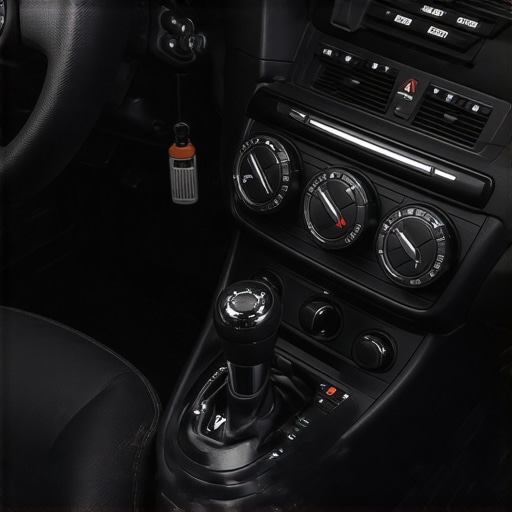
Picture this: you’re cruising down the street, feeling good, when suddenly, your car hesitates, shudders, and stalls right as you come to a stop. It’s a gut-wrenching moment that makes you wonder if your vehicle is suddenly turning into a ticking time bomb. Believe me, I’ve been there—frustrated, googling endlessly, questioning whether I needed a new engine or a costly repair. The truth? It’s often a manageable issue, but recognizing the signs and understanding the root cause is crucial to avoiding costly breakdowns.
Feeling That Stall Panic? You’re Not Alone
That feeling of your car faltering at a stop can happen for a variety of reasons. Maybe you’ve recently ignored a rough idle or dismissed the odd stalling as just a one-time hiccup. But over time, if left unaddressed, it can lead to more serious engine problems or even breakdowns. I used to think it was just a quirk—until one day, my car stalled in the middle of an intersection. That lightbulb moment made me realize I needed to dig deeper.
In this post, I’ll guide you through the common causes of stalls when coming to a stop. We’ll explore simple diagnostics, potential fixes, and preventative tips to keep your car running smoothly. Whether you’re a seasoned driver or just starting out, understanding why your car behaves this way can save you a lot of stress and money. Ready to take control of your vehicle’s health?
Is Your Car’s Stalling Actually a Sign of a Major Problem or Just a Small Fix?
Let me be real—early on, I made the mistake of assuming minor roughness was normal. But ignoring subtle signs can turn a simple fix into an expensive repair. The trick is knowing what to check first. For example, issues with your
vehicle diagnostics could be silently warning you about underlying problems that lead to stalling. Making that mistake early on cost me more than I’d like to admit, but I’ve learned that proper diagnosis can do wonders.
If you’ve ever experienced your car sputtering at a stoplight or gas station and wondered, “Is this just a minor issue, or do I need professional help?” then you’re in the right place. Soon, we’ll dive into how to identify and fix the common causes, preventing you from being stranded next time.
Perform a Visual Inspection to Find Obvious Issues
Start with a thorough visual check under the hood. Look for loose wires, cracked hoses, or signs of corrosion around your battery, ignition coils, and sensors. During my own experience, I found a disconnected vacuum hose that was causing irregular idling. Fixing or replacing worn hoses can immediately improve engine behavior.
Check Engine Codes Using Diagnostics Tools
Use an OBD-II Scanner to Pinpoint Faults
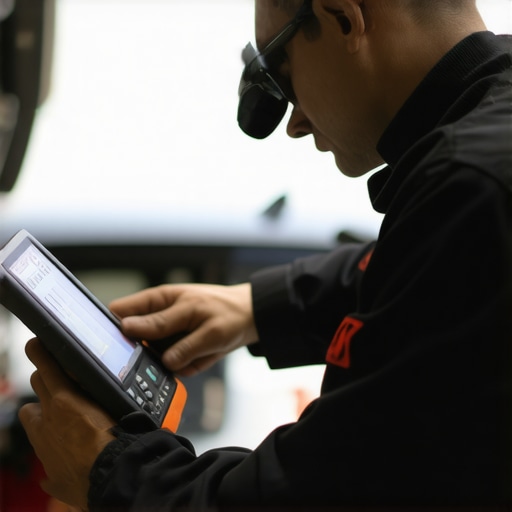
Connect an OBD-II scanner to your vehicle’s port, usually located beneath the dashboard. Turn on the ignition without starting the engine, and read the codes. This method is like listening to your car’s heartbeat—revealing hidden issues. For example, a trouble code related to the idle air control valve led me to clean and reset that component, which smoothed out my engine’s idle.
Inspect and Service Components that Affect Idle Performance
Clean or Replace the Throttle Body
The throttle body controls airflow into your engine. Over time, carbon build-up causes stalling and rough idling. Remove the intake hose, spray a throttle body cleaner, and scrub with a soft brush. I followed this simple step, and my car’s stalling issue significantly diminished. See how this guide makes it straightforward.
Evaluate the Idle Air Control Valve
If cleaning doesn’t help, the idle air control (IAC) valve might be faulty. It modulates engine idling speed. Remove it carefully, clean with appropriate cleaner, or replace if worn out. During my troubleshooting, replacing the IAC valve resolved my stalling problem instantly.
Assess Fuel System and Spark Components
Test Fuel Pressure and Filter Conditions
A weak fuel pump or clogged filter reduces fuel flow, causing stalls. Use a fuel pressure gauge to verify proper pressure—consult your vehicle’s manual for specs. In my case, replacing a clogged fuel filter restored smooth idling, preventing future stalls.
Inspect Spark Plugs and Wires
Perform Advanced Diagnostics if Problems Persist
If you’ve gone through these steps and still face stalling, consult professional diagnostics at this resource to uncover less obvious issues like sensor faults or ECU problems. Remember, solving engine stalls requires a methodical approach—not just guessing. Each step brings you closer to a reliable, smooth-running vehicle that won’t leave you stranded at a red light.Many car owners believe they understand essential vehicle maintenance like diagnostics, oil changes, and brake services, but often overlook nuanced truths that could save them money and prevent disasters. A common myth is that all diagnostics tools are equally effective. In reality, advanced diagnostic systems can reveal hidden issues that basic code readers miss, such as minor sensor misalignments or subtle ECU glitches. According to automotive expert Mark McPherson, investing in professional-grade diagnostics can reduce repair costs by up to 30% by catching problems early.
Are Your Maintenance Habits Setting You Up for Costly Failures?
Another misconception is that regular oil changes are solely about engine cleanliness. While essential, technology now offers synthetic oils with additives that provide real-time engine protection against wear, thanks to innovations discussed at this resource. Relying solely on mileage as a guide can be misleading, especially if driving conditions are harsh. Proactive oil analysis can inform more precise intervals, aligning with modern engine demands. Similarly, many assume brake inspections are just about replacing worn pads. But the true safety depends on the brake fluid’s condition, which can deteriorate silently and impair braking performance. Regularly testing brake fluid moisture levels prevents brake fade, a point underscored in this detailed article.
False beliefs about auto repairs can also lead owners to ignore subtle signals. For example, a vibrating steering wheel might seem minor, but advanced diagnostics can link it to wheel bearing or driveshaft issues that worsen over time. A comprehensive inspection, combined with precise diagnostics, offers the best approach to maintaining vehicle integrity. Don’t fall into the trap of neglecting these nuances—doing so risks costly breakdowns and safety hazards. Stay informed, and always question the conventional wisdom around vehicle maintenance. If you want to learn more about how deep diagnostics can prevent expensive failures, check out this guide. Have you ever fallen into this trap? Let me know in the comments.
Keeping it Moving with the Right Tools
Maintaining your vehicle’s performance over time requires more than just basic knowledge; it demands the use of precise, reliable tools. Personally, I swear by my code reader, the Innova 3160g, because it provides comprehensive vehicle diagnostics that help me diagnose issues before they become costly repairs. This scanner not only reads error codes but also displays live sensor data, making it invaluable for proactive maintenance.
In addition to diagnostics tools, investing in a quality multimeter allows me to troubleshoot electrical issues effectively. I prefer the Fluke 115 because of its accuracy and durability, which are crucial when checking components like sensors, alternators, or relays. For physical repairs, a set of quality metric sockets and a torque wrench ensure that bolts are tightened to exact specifications, preventing future problems.
Software Solutions for Future-Proofing
Modern auto repair isn’t just hardware; software plays a vital role. I rely on specialized programs like OBDLink’s app, which connects seamlessly to my scanner via Bluetooth. This setup enables me to perform easy checks right from my phone, providing a practical way to monitor engine health regularly. As vehicle technology evolves, software diagnostics will become even more essential, especially with the increasing number of electronic control units.
Predicting where this trend is heading, I believe integration of AI-driven diagnostics and predictive analytics will revolutionize how we maintain vehicles, making early detection of issues commonplace. That means fewer surprises and more efficient repairs.
How do I keep my vehicle maintenance on track long-term?
Establishing a routine using the right tools is key. Scheduled diagnostics, combined with regular oil analysis—something I do every 6,000 miles with synthetic oils—helps catch issues early. Additionally, keeping a detailed maintenance log allows me to track patterns and anticipate upcoming needs, ensuring my vehicle runs smoothly for years to come.
If you’re serious about long-term reliability, consider investing in a high-quality diagnostics scanner and setting up a regular checkup schedule. Doing so can save you thousands in repairs and keep your vehicle performing at its best. Want to see firsthand how these tools and methods can extend your car’s lifespan? Try calibrating your throttle body with a cleaner spray this weekend—you might be surprised by the smoothness that results!
< >
>
What Breaking My Own Rules Taught Me About Auto Repairs
One of the most valuable lessons I learned was the importance of trusting comprehensive diagnostics over quick fixes. Skipping thorough checks often led to repeated problems and higher costs. Now, I always prioritize detailed troubleshooting, which has saved me both time and money.
How Overconfidence Can Mask Real Warning Signs
I used to believe that my basic knowledge was enough. That misconception delayed my discovery of subtle issues, like minor sensor misalignments that could have been addressed early. Recognizing my limits and embracing advanced tools has been a game-changer.
The Power of Patience in Auto Maintenance
Rushing through repairs or ignoring small irregularities only worsened my vehicle’s condition. Patience and a methodical approach allowed me to identify root causes and implement lasting solutions, rather than temporary patches.
Why Sharing Repairs Boosts Confidence and Skills
Collaborating with fellow enthusiasts or professionals revealed new techniques and perspectives. This shared knowledge accelerated my learning curve and reinforced the importance of community in mastering vehicle care.
My Journey from Guesswork to Data-Driven Decisions
Initially, I relied on intuition, which sometimes misled me. Transitioning to diagnostics tools, like the comprehensive vehicle diagnostics guide, transformed my approach. Data now guides my decisions, ensuring accuracy and confidence in repairs.
Gear I Trust for Vehicle Diagnostics and Repairs
I swear by my Innova 3160g scanner because of its reliability and depth of insights. Additionally, tools like a sturdy multimeter from Fluke and quality metric sockets have made repairs more precise and less stressful. Investing in these tools turned my garage into a mini repair shop.
Taking the Next Step to Keep Your Vehicle in Top Shape
Embrace continuous learning and equip yourself with quality tools. Regular diagnostics, combined with shared experiences and patience, will empower you to handle issues proactively. Remember, every repair is a step toward understanding your vehicle better and avoiding costly breakdowns.
What’s been your most surprising discovery during a DIY repair? Share your story below!