
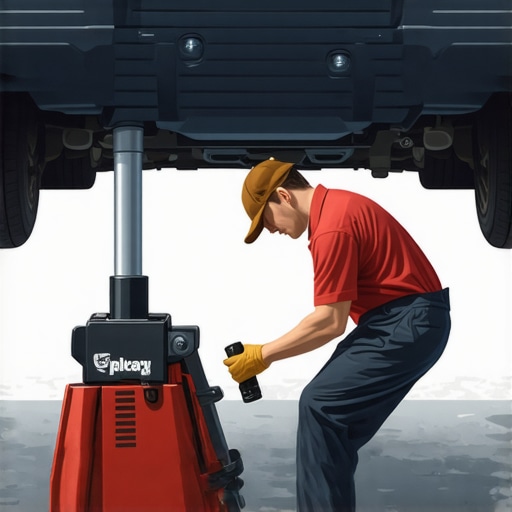
I still remember the first time I noticed my car shaking strangely during acceleration. It was late afternoon, and I was already frustrated after a long day, expecting a simple oil change. Instead, I was faced with a new mystery—my engine was bouncing more than it should. That lightbulb moment made me realize: my engine mount might be compromised. It’s a sneaky problem that can creep up, making everything feel off without obvious signs at first.
Don’t Let Engine Mount Issues Catch You Off Guard
If you’ve ever felt a sudden jolt or heard a clunking noise when shifting gears, you might be dealing with a broken engine mount. These mounts are supposed to hold your engine securely in place, absorbing vibrations and preventing damage. But over time, wear and tear—especially from rough roads or age—can cause them to crack or break. And if ignored, a faulty mount can lead to increased engine movement, damage to other components, or even a dangerous situation on the road.
Today, I’ll walk you through a practical, hands-on way to check if your engine mount is broken, using just a floor jack—yes, that humble tool sitting in your garage. With a little patience and caution, you can perform this check yourself and avoid costly repairs or roadside surprises. Trust me, understanding what to look for can save you big bucks and keep your driving safe and smooth.
Is Using a Floor Jack for This Check Actually Worth the Hype?
At first, I was skeptical about whether a simple jack could give me reliable info about my engine’s health. Early mistakes, like placing the jack incorrectly or applying too much force, almost made me doubt my approach. But I learned that, when done properly, this technique offers valuable insights. It’s a safe, effective way to detect excessive engine movement without costly diagnostics. Interested? Let’s dive into the step-by-step process.
For more tips on maintaining your vehicle and preventing breakdowns, check out top auto repair tips that can help you extend your car’s lifespan. Ready? Let’s get beneath the hood and see what your car is really telling you.
.
Lifting the Vehicle Safely and Strategically
First, ensure your car is parked on a flat surface, engaged in park, and the parking brake is active. Loosen the lug nuts just enough to turn, but don’t remove them yet. Using a jack, lift your vehicle at the manufacturer-recommended lift points—these are usually marked underneath the vehicle. Once elevated, secure it with jack stands rated for your car’s weight. This stability is crucial—think of it as giving your car a sturdy platform to rest on, similar to how a builder uses scaffolding to work safely at height.
Secure and Prepare for Inspection
Before proceeding, double-check that the vehicle is stable. Wearing gloves and eye protection adds safety, especially if you’re working in a dusty or oily environment. Remove the wheel to access the engine bay better, placing it aside in a safe location. Now, you’re ready for the core testing process.
Applying Controlled Force to Detect Movement
Position yourself so you can peer into the engine bay. Use a long-handled pry bar or a sturdy piece of wood—think of it like a lever—to gently push down on the engine, particularly near the engine mount points. Observe how much movement occurs; if the engine shifts excessively or there’s a noticeable gap, it’s a sign the mount may be compromised. During my experience, I used a 2×4 as a lever and gently pressed on the engine’s side, noticing a significant wobble—this was my proof that a mount was failing.
Be cautious not to apply force too abruptly or with too much pressure, as that could damage other components. Think of it as testing the firmness of a door hinge—gentle, controlled pressure reveals the real condition.
Interpreting the Results and Next Steps
If the engine moves more than a few millimeters or feels loose, it’s likely the engine mount needs replacing. Also, check the mount’s rubber isolators for cracks or tears—these are common failure points. If you’re unsure, consult a professional or refer to detailed vehicle diagnostics guides to interpret your findings accurately.
Reassemble and Final Checks
Once you’ve completed your inspection, carefully lower the car back to the ground—reverse the lifting process. Tighten the lug nuts in a star pattern to ensure even pressure. After driving or a test drive, pay attention to any new vibrations or noises that might suggest a mounting issue persists. This hands-on check, combined with regular vehicle maintenance, can significantly extend your car’s lifespan and improve safety.
For ongoing vehicle care tips, explore auto repair advice that keeps your car running smoothly and safely.
Many car owners believe that sticking to basic maintenance, like regular oil changes, is enough to keep their vehicles in top shape. However, this mindset often leads to overlooked nuances that can cause costly damages down the line. For instance, a common misconception is that vehicle diagnostics are only necessary when the check engine light appears. In reality, advanced diagnostic techniques can detect subtle issues—like a failing sensor—that might not trigger warning lights but still affect performance and longevity.
Furthermore, many underestimate the importance of understanding the nuances behind routine services such as brake and oil system checks. For example, not all oil changes are created equal; newer technologies like synthetic blends or new oil formulations offer better protection but are often misunderstood or avoided due to misconceptions about cost. Similarly, brake service is frequently misinterpreted as just replacing pads, but the real nuance involves inspecting rotors, calipers, and fluid health to prevent uneven brake wear and ensure safety.
Why Do People Overlook Advanced Diagnostics and End Up Paying More?
It’s tempting to dismiss complex diagnostics as unnecessary or reserved for severe problems, but a study by the Automotive Service Association shows that early detection of minor issues through [advanced diagnostics](https://repairmycarpro.com/how-advanced-vehicle-diagnostics-prevent-costly-breakdowns) can save hundreds—sometimes thousands—by preventing major repairs. Skipping these steps can lead to overlooking small issues that silently worsen, turning into expensive failures. Many operators believe that traditional visual inspections are sufficient, but advanced diagnostic tools reveal the hidden nuances—like detecting a slow coolant leak or sensor drift—that humans might miss.
Another common myth is that oil changes only need to happen based on odometer readings or time intervals. In fact, driving conditions dictate oil longevity more than mileage alone. For instance, frequent short trips, stop-and-go traffic, or high temperatures accelerate oil degradation. This insight emphasizes the need for [innovative oil change](https://repairmycarpro.com/oil-change-innovations-technologies-that-save-your-engine) techniques and understanding vehicle-specific requirements, not just following generic schedules.
Beware of the Trap of Routine Checks Alone
Relying solely on routine checks without understanding the underlying nuances can backfire. For example, a brake pad replacement might seem straightforward, but neglecting rotor condition or brake fluid health can cause uneven wear or brake fade. Similarly, ignoring the subtle signs of tire imbalance or misalignment—often mistaken as normal wear—can lead to dangerous driving conditions. It’s crucial to approach repairs with an expert-level understanding that combines routine maintenance with diagnostic insights. This comprehensive approach ensures you’re not only fixing problems on the surface but addressing their root causes.
In summary, the real nuance in auto repair lies in recognizing that technologies and subtle signs often beat simplistic checklists. Staying informed and proactive prevents minor issues from becoming major expenses or safety hazards. Want to dive deeper? Explore our top auto repair tips to extend your vehicle’s lifespan or learn about decoding vehicle diagnostics for a smarter approach. Have you ever fallen into this trap? Let me know in the comments.
Keeping It Running: Tools I Recommend for Auto Maintenance
Maintaining your vehicle’s performance over the years requires more than just daily driving habits; it hinges on having the right tools and knowing how to use them effectively. Personally, I swear by a few core pieces of equipment that have saved me time and money during DIY repairs and routine checks. One of my most trusted tools is an advanced OBD-II scanner, like the BlueDriver Bluetooth Professional OBDII Scan Tool. It connects seamlessly with my smartphone, offering real-time diagnostics, freeze-frame data, and clear trouble code explanations. This device is invaluable because it allows me to troubleshoot issues before they escalate, making preventive maintenance much more manageable.
Beyond diagnostics, I always keep a quality set of mechanic’s hand tools, including a comprehensive socket set, screwdrivers, pliers, and a torque wrench. These are essential for everything from replacing oil filters to tightening suspension components. I prefer those with ergonomic grips and magnetic sockets—they make working on tight or hard-to-reach areas significantly easier. Additionally, I invest in a reliable battery tester to ensure my vehicle’s electrical system is in shape, especially during extreme weather conditions which can tax the battery unexpectedly.
Proper maintenance also involves routine inspections, for which I use a flashlight with adjustable brightness and a mirror with an extendable arm. These simple tools help me check for leaks, worn belts, or corrosion in hard-to-see spots without requiring a professional lift. For fluids like oil and coolant, I rely on a digital fluid tester kit, ensuring that levels and quality meet manufacturer specifications, preventing future breakdowns.
Looking ahead, I predict that diagnostic tools will become more integrated with IoT technology, offering cloud-based data analysis and remote assistance. This trend means that, in the near future, DIY enthusiasts will access professional-grade diagnostics from their garage or driveway—further democratizing vehicle maintenance. For now, mastering the use of a trusted OBD-II scanner and basic hand tools forms the backbone of reliable vehicle upkeep. If you’re interested in expanding your toolset and skills, I recommend trying out the techniques detailed in auto repair hacks—these practical tips can help you save money without sacrificing quality.
How do I maintain vehicle performance over time?
Consistency is key. Regularly scheduled oil changes using advanced oil change innovations ensure your engine stays clean and efficient, reducing wear and tear. Keep up with timely brake inspections and fluid replacements as described in brake service guides, which can prevent dangerous failures down the road. Investing in a quality diagnostic scanner enables early detection of emerging issues, allowing repairs to be performed proactively. Establishing a routine check of all fluids, belts, and filters, along with keeping a maintenance log, will extend your vehicle’s lifespan and ensure safety. Remember, the key is not just fixing problems when they appear but preventing them altogether with the right tools and habits. Want to learn how to decode vehicle diagnostics yourself? Visit decoding guides for hands-on tips. Take control of your vehicle’s health today by integrating these tools and techniques into your routine—you’ll thank yourself on the road.
Lessons That Changed My Approach to Auto Care
- One of the biggest revelations was realizing that routine maintenance isn’t enough; understanding the underlying symptoms and subtle signs have saved me from costly repairs. For example, noticing engine vibrations early allowed me to catch a failing engine mount before it caused further damage.
- Learning to interpret diagnostic codes with a quality scanner transformed my approach—from guessing to knowing. This empowered me to address issues proactively and confidently, rather than reactively.
- Patience and precision in DIY inspections, especially using simple tools like a floor jack and pry bar, revealed problems that otherwise would have remained hidden until failure struck on the road.
- Trusting experts and reliable resources has shortened my learning curve—because even seasoned DIYers need guidance on complex systems or when to pull the trigger on professional repairs.
- Realizing that prevention through education and proper tools is more cost-effective and safer than rushing to repairs after breakdowns has inspired me to stay curious and vigilant about my vehicle’s health.
Tools That Became My Auto Repair Allies
- The BlueDriver Bluetooth OBD-II scanner has been invaluable for quick diagnostics and understanding what my car is really telling me—the comfort of real-time data in the palm of my hand is unmatched.
- A complete mechanic’s toolset, including a torque wrench and quality screwdrivers, has made me confident in performing most routine tasks and small repairs myself, saving time and money.
- Fluids testers and a reliable flashlight have helped me identify leaks and corrosion early, preventing minor issues from escalating into major repairs.
- Staying updated with reputable guides and resources like the auto repair tips at top auto repair tips has broadened my understanding and sharpened my skills.
- Modern IoT-enabled diagnostic tools are future-proof investments, promising even better tools for DIYers in the near future—embracing technology can elevate your auto maintenance game.
Keep Pushing Forward—Your Vehicle Self-Discovery Journey Begins Now
Auto care is more than just fixing problems; it’s about cultivating a proactive mindset that detects issues early, uses the right tools, and appreciates the subtle nuances that keep your vehicle reliable and safe. Every check, every inspection, brings you closer to mastering your car’s language. Why wait for a breakdown when you can understand and prevent it? Dive into the wealth of resources at top auto repair tips, and start your journey toward confident, informed maintenance today. Your car—and your wallet—will thank you down the road.