
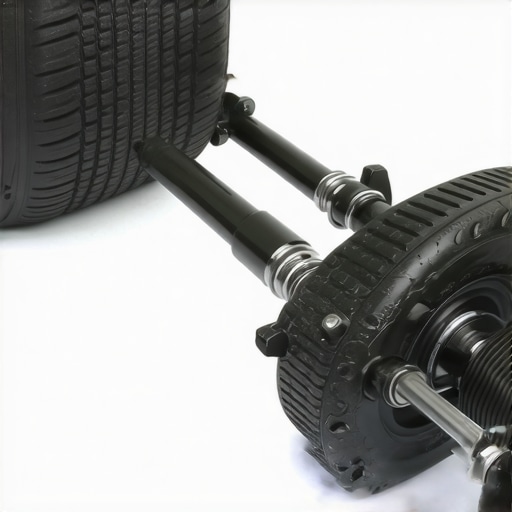
Picture this: You’re parked, ready to head out, and as you turn the steering wheel, your car begins to shimmy and vibrate in your hands. It’s a sudden, unsettling feeling that makes you wonder if something’s terribly wrong. I remember the first time it happened to me—I was just trying to parallel park, and my vehicle started to shake violently. That moment was a lightbulb moment for me—realizing that even seemingly minor steering issues can point to bigger problems lurking under the hood. Over time, I learned that this shaking isn’t just a quirk; it’s a signal from your car that needs attention.
Dealing with the Shaking: Your Car’s Way of Calling for Help
Turns out, that trembling when turning at a standstill can stem from several common issues, like worn-out power steering components, unbalanced tires, or even problems with suspension parts. The good news? Many of these issues are manageable once you know what to look for. Today, I’ll share insights from my own experience, combined with expert advice, to help you diagnose and address this problem before it turns into costly repairs. And believe me, catching these signs early can save you a bundle—and avoid that anxious feeling of helplessness in your driveway.
Is Your Car’s Shaking Worth the Hype?
Early in my auto repair journey, I made a classic mistake: I ignored the shaking, dismissing it as a simple quirk or temporary glitch. That was a big error. Ignoring steering shake can lead to safety risks and more expensive fixes down the line. According to automotive experts, ignoring vibration signals can result in uneven tire wear or damage to steering components, which might compromise your safety on the road. If you’ve been shrugging off this issue, think again. Recognizing early warning signs can make all the difference. Curious if your specific problem is a simple fix or something more serious? Reach out to a professional — you can contact me for personalized advice or roadside assistance if needed.
Now, let’s explore the common culprits behind steering wheel shakes and how you can troubleshoot them yourself or with professional help. Prevention and early intervention are key—so stay tuned as we dive into practical solutions that will put you back in control of your vehicle’s smoothness.
.
Start with a visual inspection of your tires and wheels
Park your vehicle on a flat surface, engage the parking brake, and take off your wheel covers if present. Check for any visible damage, uneven tire wear, or foreign objects lodged in the treads. I once found a small stone embedded between my tire’s tread during this step, which caused vibrations I initially thought were more serious. Removing such debris can sometimes resolve minor shaking issues and prevents further damage.
Check tire pressure and balance
Use a reliable tire gauge to ensure all tires are inflated to the manufacturer’s recommended PSI. Under- or over-inflated tires can cause imbalance, leading to steering vibrations. Next, verify if your tires are balanced properly. Imbalanced tires are a common culprit for steering shake at certain speeds. I vividly recall a time when I had tires balanced at a shop, and my steering became smooth as new. Proper balancing distributes weight evenly, eliminating vibrations and prolonging tire life.
Test for uneven tire wear
Inspect treads for cupping, feathering, or uneven wear patterns. Uneven wear might indicate suspension issues or misalignment, which also contribute to steering shake. If uneven wear is evident, it’s wise to consult an auto repair professional for alignment or suspension checks. Regularly visiting a reputable shop helps avoid neglecting these signs and keeps your vehicle running smoothly.
Assess suspension and steering components
Worn or damaged suspension parts like ball joints, tie rods, or control arms can cause vibrations during turns. To diagnose, lift your vehicle safely with a jack and check for excessive play or looseness in these parts. If you notice any wobbling or looseness during this inspection, it’s a strong sign you need a professional evaluation. For complex issues like these, I recommend contacting experts directly at Repair My Car. This proactive step prevents further suspension damage and maintains your safety.
Evaluate wheel alignment and geometry
Misalignment can cause pulling and shaking, especially when turning or at highway speeds. A quick test involves driving straight on a smooth road and gently tugging the steering wheel. If the wheel drifts or the car pulls to one side, alignment might be off. For precise diagnosis, professional alignment services are ideal. Regular alignment checks, especially after hitting potholes or curbs, can prevent persistent shake issues and extend your vehicle’s lifespan, as explained in top auto repair tips.
Inspect brake system for irregularities
Warped brake rotors can also cause vibrations that feel like steering shake, particularly when braking. With the vehicle parked, spin each wheel manually to check for wobbling or uneven resistance. If you observe any irregularity, it’s likely that the rotors need resurfacing or replacement. For more details on brake health and safety, view brake service guide. Addressing brake issues promptly ensures safe handling and smooth driving experience.
Perform a road test and confirm repairs
After completing the above steps or having repairs done, take your vehicle for a test drive. Accelerate to different speeds, turn, and brake to observe if the shake persists. If the vibrations are gone, your efforts paid off. If not, revisit the previous steps or consider seeking professional diagnostics. Advanced vehicle diagnostics can identify hidden problems—more details on this process are available at advanced diagnostic techniques. Early detection and precise fixing can save you from costly repairs down the line and restore your vehicle’s steering performance.Many car owners believe that auto diagnostics, brake service, and oil changes are straightforward tasks, but in reality, there’s a wealth of nuance that often gets overlooked. One common misconception is that vehicles only show obvious signs of trouble when the problem is already severe. In truth, subtle clues like uneven tire wear or slight pulls during acceleration can indicate emerging issues, and failing to interpret these signs correctly can lead to costly repairs down the line.
Why Do People Fumble With Diagnostics Even When They Think They’re Sharp?
One major trap many fall into is relying solely on OBD-II scanners without understanding the context. While these tools provide codes, they don’t tell the full story. For example, a code for misfire could stem from ignition coils, fuel injectors, or even vacuum leaks—each requiring different approaches. Automotive experts emphasize that a thorough understanding of how different systems interact is essential. In fact, advanced diagnostics can prevent breakdowns before they happen, but only if the mechanic knows what to look for beyond the codes.
Another common myth is that cheap or generic brake parts are always fine. In reality, cheap parts often lack the durability required for safe operation, and using them can backfire during critical moments. A comprehensive brake service isn’t just about replacing pads; it involves inspecting rotors, calipers, and hydraulic systems—details that DIYers might overlook. For the best results, professional assessments are invaluable, and you can learn more about what truly matters in brake service.
And let’s not forget oil changes: many think all oils are the same, but synthetic oils provide better oxidation resistance and engine protection, especially in extreme climates. Skip this nuance, and you risk engine wear. Technologies behind modern oils are constantly evolving, and staying informed can be the difference between a smooth ride and an expensive engine rebuild. You can explore latest innovations in oil change technology to make the right choice.
Have you ever fallen into this trap? Let me know in the comments. Remember, understanding these nuances ensures your vehicle remains reliable, safe, and cost-efficient over its lifespan. Proper knowledge helps you catch problems early—don’t wait for a warning light to turn red before acting.
Investing in Quality Tools for Lasting Results
When it comes to maintaining your vehicle over time, having the right tools can make all the difference. I personally swear by a high-precision digital multimeter for diagnosing electrical issues—it’s essential for tracking down parasitic drain problems or faulty sensors, and I’ve saved countless hours and money using it. Combining this with a reliable tire balancing machine ensures you keep your tires evenly wear and your steering smooth, preventing shake issues before they escalate. Regularly using a torque wrench calibrated to manufacturer specifications helps avoid over-tightening fasteners, which can lead to costly repairs down the line.
Embracing Diagnostic Software for Accuracy
Modern auto diagnostics software has revolutionized vehicle maintenance. I recommend mid-range OBD-II scanners like the BlueDriver or FIXD because they provide detailed readouts beyond basic trouble codes. These tools allow me to interpret vehicle data accurately, making maintenance tasks like oil changes or brake inspections more precise. Advanced software can even suggest specific repairs or adjustments, streamlining your workflow and reducing unnecessary repairs. As vehicle technology advances, staying updated with the latest diagnostic apps ensures you’re always ahead of potential issues, echoing the insights found in this comprehensive guide.
Your Long-Term Vehicle Care Strategies
Consistency is key. I keep a detailed maintenance log using a simple digital spreadsheet or dedicated apps like Car Minder Plus. Tracking oil changes, brake service dates, and other maintenance milestones helps me prevent neglectful issues and plan scalable improvements such as suspension upgrades when necessary. Regularly inspecting vital components with the right tools enables you to catch early signs of wear—saving money and extending your vehicle’s lifespan. These proactive measures align with the latest auto repair strategies discussed at top repair tips.
Preparing for the Future of Vehicle Upkeep
As automotive technology progresses towards electric and hybrid models, the tools I recommend are evolving too. Portable high-voltage detectors and advanced software compatible with new systems will become essential for electric vehicle maintenance. Predictive diagnostics, powered by AI, promise to revolutionize long-term care by foreseeing issues before they manifest physically. To stay ahead, I suggest experimenting with these emerging technologies—starting with learning how to use advanced diagnostic tools effectively. For guidance, consider consulting professionals at Repair My Car. Incorporating these tools now prepares you for a seamless transition into future automotive landscapes.
How do I maintain vehicle diagnostics over time?
Regular updates to your diagnostic software, periodic recalibration of testing tools, and consistent record-keeping are essential. Staying informed about the latest diagnostic technology and trends ensures you catch problems early, much like the detailed external documentation from this expert resource. Start by dedicating time each quarter to review and update your tools and knowledge base, building confidence and expertise over time. Remember, the key to long-term vehicle maintenance is not just owning tools but understanding how to use them effectively to prevent costly repairs and keep your vehicle running reliably.
What the toughest lessons taught me about steering shake and auto repair
One of the most valuable lessons I learned was never to dismiss subtle signs like slight steering vibrations—these are often early warnings of underlying issues needing immediate attention. I’ve discovered that patience and thorough inspections, from tire checks to suspension assessments, save both money and safety in the long run.
Tools and resources that revolutionized my maintenance approach
My indispensable toolkit includes a reliable digital multimeter for electrical diagnostics, a quality tire balancing machine, and advanced diagnostic apps like BlueDriver. These tools have empowered me to identify problems quickly and accurately, making routine maintenance less intimidating and more effective. For deeper guidance, I frequently consult expert resources such as advanced vehicle diagnostics to stay ahead of potential breakdowns.
Embrace the journey—your vehicle will thank you
Taking control of your vehicle’s health might seem daunting at first, but with curiosity and the right tools, you can ensure a smooth, safe drive for years to come. The road to mastery is continuous—so keep learning, troubleshooting, and maintaining with confidence. Remember, proactive care today prevents costly repairs tomorrow, and I believe in your ability to master your auto care journey.