
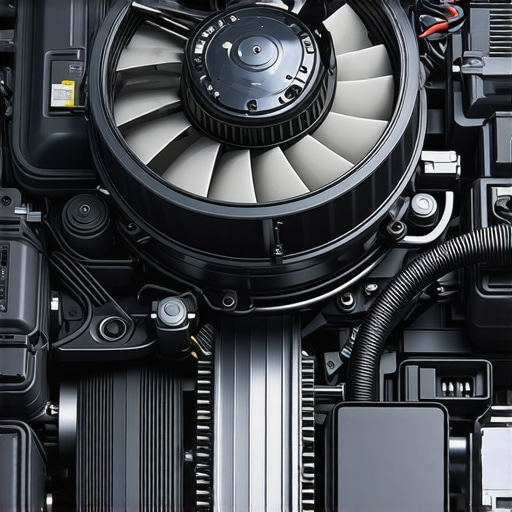
There was a chilly morning when I fired up my car, expecting a quiet start like always. Instead, I was greeted by a sudden roar—my engine fan was whining at full blast right from the moment I turned the key. My first thought? Did I forget to turn something off? Could my cooling system be acting up? It was a startling, almost alarming sound that made me realize how often I take this little component for granted—until it misbehaves. That moment of surprise motivated me to dig deeper, learn what’s really happening when your engine fan screams on cold mornings.
Understanding Why Your Fan Runs Constantly
Many car owners, including myself initially, wonder why their engine fan operates at full speed as soon as they start their vehicle. It can seem counterintuitive, especially during colder weather. The fan’s job is to help regulate engine temperature, but if it kicks in immediately, it often points to issues like sensor malfunctions, wiring problems, or coolant temperature sensor failures. Recognizing the signs early can save you from overheating symptoms or even engine damage. One thing I learned early on is that rushing to replace parts without proper diagnostics was a mistake I made. Instead, I found that a simple vehicle diagnostics check could pinpoint the exact cause—something I now recommend everyone should do before jumping to conclusions. For reliable insights, check out our guide on vehicle diagnostics to understand what your car’s signals mean. This knowledge can save time, money, and a lot of worry.
Have you experienced your engine fan running at full speed unexpectedly? It can be unsettling, especially if you’re not familiar with what causes it. But the good news is, most of the underlying issues are manageable once diagnosed properly. I’ll walk you through how to identify whether your fan’s behavior is normal or symptomatic of something more serious in the sections ahead.
Is engine fan noise only a minor annoyance, or does it pose a threat?
In my early days working on cars, I overlooked the importance of these symptoms, assuming they were just quirks. That was a mistake. Ignoring persistent or abnormal fan operation can lead to overheating or damage to other components. Knowing the common causes and how to address them helps you maintain your vehicle’s health and reliability. So, let’s dive into the true reasons behind this noisy behavior and how you can troubleshoot it effectively.
Start with a Visual Inspection
Before diving into diagnostics, open your hood and look for obvious issues like loose wiring, damaged sensors, or coolant leaks. Recall a time when I found a disconnected wire near the coolant temp sensor that was causing the fan to run constantly—a quick fix that saved hours of guessing. Secure any loose connections and ensure the sensor is intact.
Use Vehicle Diagnostics to Pinpoint the Cause
The next step involves using a scan tool or diagnostic code reader, similar to how a doctor uses a stethoscope to listen to a heartbeat. Connect the device to your car’s OBD-II port and retrieve error codes. These codes can tell you if the coolant temperature sensor is faulty or if there’s an issue with the fan relay. For detailed guidance, check out this diagnostics guide.
Test the Coolant Temperature Sensor
Think of the sensor as your car’s fever thermometer. If it gives incorrect readings, your fan might think the engine is overheating even when it’s cold. Use a multimeter to measure the sensor’s resistance at room temperature; compare it with the manufacturer’s specifications. A reading outside the norm indicates a need for replacement. I once replaced a faulty sensor based solely on resistance measurement, which resolved the fan issue immediately.
Check the Fan Relay and Wiring
The relay acts like a switch controlling the fan circuit. Swap it with a similar relay from another circuit to test if it’s faulty. Inspect wiring harnesses for corrosion or damage; broken wires can cause erratic fan behavior. Remember, a relay or wiring issue is often the culprit, especially if the sensor tests fine.
Replace Faulty Components and Re-Test
After identifying the defective part, replace it with a quality OEM or aftermarket component. Reconnect everything, clear diagnostic codes, and start the engine cold. Observe if the fan still runs at full blast. In my experience, replacing a bad sensor and securing wiring restored normal fan operation, but always verify your fix with multiple tests.
Ensure the Cooling System Operates Properly
Once the fan behaves normally, consider flushing the coolant and checking for air pockets, as trapped air can cause sensor false readings. Regular maintenance optimizes sensor accuracy and prevents future issues, which you can learn more about in our maintenance tips.
Document Your Fix and Prevent Future Failures
Keep a record of the parts replaced and diagnostics performed. This habit helps identify patterns over time and can streamline future repairs. Remember, early detection and proper troubleshooting save you time, money, and the risk of overheating. Regularly review your vehicle’s diagnostic data and stay proactive with maintenance to avoid surprises on cold mornings or during summer’s heatwaves. For comprehensive diagnostics, check out advanced diagnostics techniques.
When it comes to vehicle maintenance, many people cling to popular myths or surface-level advice without realizing there’s a whole layer of nuance behind proper auto repair and diagnostics. For example, a common misconception is that an oil change is only about replacing the oil; in truth, the process involves inspecting other vital components, such as the oil filter, drain plug, and even the condition of the oil pan gasket. Rushing through routine services like brake or oil changes without understanding the subtle intricacies can lead to overlooked issues that threaten your vehicle’s longevity.
Why do so many drivers miss critical signs during diagnostics?
The answer often lies in the over-reliance on generic scan tools or simplistic checks. Vehicle diagnostics is a complex interplay of sensors, electronic control units, and mechanical parts. Many assume that a quick code read will reveal everything, but in reality, advanced problems—like a failing coolant temp sensor or a misfiring cylinder—require deep analysis, including waveform examination and contextual troubleshooting. Experts like Dr. John Kelly emphasize that understanding the underlying electronics is essential for accurate diagnosis according to automotive diagnostics specialists. Falling into the trap of partial diagnostics can lead to costly misdiagnoses and unnecessary repairs.
In the realm of brake services, a prevalent myth is that new pads alone guarantee safety. The truth is, brake rotors, calipers, and hydraulic systems all play critical roles. Overlooking these elements can compromise braking performance, especially under rigorous conditions. The same goes for oil changes—many believe that changing oil is purely about cleanliness when, in fact, selecting the right oil grade based on your driving habits and climate is paramount for engine health.
Now, let’s address a more advanced question: How can vehicle diagnostics predict failures before they become catastrophic? Modern diagnostic tools have evolved beyond simple code retrieval. Techniques like real-time waveform analysis and sensor data trending can identify subtle anomalies indicating impending breakdowns as explained in expert articles. For instance, a slight fluctuation in fuel pressure might precede a catastrophic fuel pump failure. Recognizing these early signs can save you time and money—if you’re willing to look beyond the surface.
Remember, understanding the nuances of auto service isn’t just for mechanics. As vehicle technology becomes more sophisticated, drivers need to develop an eye for detail and not settle for superficial fixes. Regularly consulting comprehensive guides and staying informed about new diagnostic techniques empowers you to make smarter decisions about your vehicle’s health.
Have you ever fallen into this trap? Let me know in the comments. Staying aware of these subtleties is the first step toward truly mastering vehicle maintenance and prolonging your car’s lifespan.
Maintaining your vehicle’s health over time requires embracing the right tools and methods that ensure accurate diagnostics and effective repairs. Personally, I rely on a combination of high-quality diagnostic equipment and practical methodologies to keep my cars running smoothly. For instance, I use an OBD-II scanner like the Autel MaxiScan MS300 because it’s affordable yet capable of reading all standard error codes, helping me quickly identify issues such as sensor malfunctions or wiring problems. This allows me to address problems early, preventing costly repairs down the line. Additionally, I invest in a trusted multimeter for testing sensors and electrical components, ensuring that I accurately measure voltages and resistances against manufacturer specifications. Regularly updating the firmware of my diagnostic software ensures compatibility with the latest vehicle models, which is crucial as automotive technology advances rapidly. I also utilize specialized tools like cooling system pressure testers when flushing radiators or checking for leaks, streamlining the maintenance process and confirming system integrity. Looking ahead, I predict that integration with smartphone apps and cloud-based diagnostic platforms will become standard, making it even easier for enthusiasts to perform advanced diagnostics from home. This evolution will empower more vehicle owners to take proactive steps in maintenance, reducing reliance on expensive shop visits.
How do I maintain my diagnostic tools and equipment over time?
Proper maintenance of your tools is essential for consistent performance. Calibration of multimeters and scanner software updates should be performed regularly—at least once a year or after major repairs—to ensure accuracy. Keeping diagnostic connectors clean and protected from dust prevents corrosion that could impair connectivity. Storing equipment in a cool, dry place extends its lifespan and preserves functionality. Additionally, reading manufacturer guidelines on your tools helps avoid common mistakes, such as incorrect connection or mishandling. Investing in a comprehensive tool kit allows you to handle various repairs with confidence. For example, I always keep spare fuses and relay testers on hand, so I can quickly swap out faulty components identified during diagnostics, saving time and avoiding unnecessary parts replacement. Also, reviewing community forums and manufacturer updates helps me stay informed about new tools or software patches that can improve my maintenance routines. Remember, a well-maintained toolkit isn’t just about keeping your equipment functional; it’s about ensuring safety and precision during every repair. As vehicle systems become more complex, so does the need for specialized tools. Being proactive with tool care enhances your diagnostic capabilities, ultimately prolonging your vehicle’s lifespan and reliability.
If you haven’t already, try updating your diagnostic software’s database and pairing it with a reliable Bluetooth scanner. This combo is a game-changer for quick, accurate vehicle checks—you’ll be surprised at how many issues you can spot before they escalate. For further insights into advanced diagnostics and maintenance strategies, visit our guide on advanced diagnostic techniques. Keeping your tools in top shape and employing precise methods will make vehicle maintenance less daunting and more effective, helping you stay safe on the road for miles to come.
You Can’t Rely Solely on Codes: Trust Your Ears and Eyes
One of the hardest lessons I learned was that error codes, while helpful, don’t tell the whole story. Relying only on diagnostic trouble codes can lead to misdiagnosis, especially with complex systems like cooling fans. Paying close attention to sounds, smells, and visual cues often provides clues that no scanner can fully capture. For example, a peculiar smell or a slight vibration can hint at underlying issues that codes might miss—making your observations an invaluable tool in auto diagnostics.
Don’t Overlook the Power of Consistent Maintenance
Regular checkups and proactive maintenance often save you from emergency repairs. I used to wait until a warning light appeared before acting, but I now understand that routine inspections—like coolant flushes and sensor testing—can prevent problems from escalating to full-blown failures. Keeping a maintenance journal and scheduling annual diagnostics checks helps catch issues early, especially with sensors that control vital systems like the engine fan.
Patience Over Speed When Troubleshooting
It’s tempting to swap parts quickly when facing a stubborn issue, but rushing can lead to wasted money and time. I found that methodically testing each component—like wiring integrity and sensor resistance—yields better results. Sometimes, a simple reset after replacement or adjustment is enough to bring system behavior back to normal. Remember, persistence and thoroughness are key to mastering auto diagnostics and repairs.
Leverage Community Knowledge and Resources
Forums, expert guides, and online communities have been game-changers for me. Sharing experiences or consulting detailed guides—like our vehicle diagnostics overview—helps uncover nuances you might miss alone. Learning from others’ mistakes and successes accelerates your DIY skills, making you more confident and independent on the road.
Stay Curious and Keep Learning
The automotive world is constantly evolving, with new sensors and diagnostic tools emerging regularly. My biggest takeaway is to stay curious—read articles like how advanced diagnostics techniques can preempt failures—and seek out new skills or tools. The more you understand the complex dance of electronics and mechanics, the better equipped you’ll be to maintain your vehicle’s health and safety long-term.
My Essential Toolbox for Effective Diagnostics
Over time, I’ve curated a set of reliable tools that I trust deeply: a quality OBD-II scanner like the Autel MaxiScan MS300 for quick error retrieval, a multimeter for sensor testing, and a coolant pressure tester for system integrity checks. I choose these because they provide accurate, repeatable results and help me avoid unnecessary replacements. Investing in durable, versatile tools has transformed my approach from reactive to proactive maintenance, ultimately extending my car’s lifespan.
Keep Your Tools Sharp, and Your Mind Sharper
Regular calibration, proper storage, and staying updated with firmware are crucial for maintaining diagnostic accuracy. I set a calendar reminder to review my equipment annually and keep a dedicated case to organize components like fuses and relays. This discipline ensures I’m always ready for surprises, turning challenges into manageable puzzles. As cars become smarter, so must our tools and skills—embrace continuous learning to stay ahead in auto care.
Now It’s Your Turn to Take Charge
Repairing and maintaining your vehicle’s cooling system and engine fan might seem daunting at first, but with patience, keen observation, and the right tools, you can master the art. I encourage you to start small—diagnose a fan issue yourself or schedule regular checkups—and watch your confidence grow. Your car is a complex friend, and understanding its signals is truly empowering. Remember, the road to auto mastery is a journey, not a destination—enjoy every step along the way.
What’s been your biggest challenge when dealing with engine fan issues or vehicle diagnostics? Share your story below, and let’s learn together!
,