

Picture this: You’re cruising down the street, minding your own business, when suddenly, as you hit that familiar speed bump, your car emits a squeal loud enough to turn heads. It’s that annoying, nails-on-a-chalkboard sound that only happens during these brief, bump-filled moments. For years, I brushed it off as just another quirk of aging suspension, but I soon realized it’s more than that—it’s a warning sign.
Getting to the Bottom of That Mysterious Squeak
Early on, I tried everything—lubricating joints, tightening bolts, even replacing some worn-out bushings—hoping to silence that squeal. But nothing worked, and the noise persisted. It wasn’t until I delved into vehicle diagnostics that I uncovered the real culprit: my suspension components, particularly the strut mounts and sway bar links, were worn out. This revelation taught me how crucial it is to understand the subtle noises our cars make and address the root causes before they escalate into costly repairs.
Is Checking Suspension Just a Waste of Time? Think Again.
Many drivers dismiss squeaks and rattles as minor issues, but ignoring them can lead to unsafe driving conditions. I made that mistake early in my automotive journey—assuming a squeak was just a minor annoyance, I continued driving without inspection. That oversight cost me more when a failed suspension component caused uneven tire wear and compromised handling. It’s a reminder that proactive checks, especially those guided by reliable vehicle diagnostics, can save you money and keep you safe.
So, if your car squeaks only when going over speed bumps, don’t brush it aside. Let’s explore how to diagnose and fix this issue before it turns into a major headache.
Start with a Visual Inspection
Pull over safely and open your hood. Look for obvious wear or damage on suspension components like strut mounts, sway bar links, and bushings. Use your fingers to gently test for looseness—any play indicates worn parts that need replacement. Remember, a quick visual can save time and money in the long run.
Check the Suspension Components Thoroughly
Use a jack and secure your vehicle on ramps or jack stands. Examine each suspension link, coil spring, and shock absorber for cracks, leaks, or corrosion. For example, I once noticed a bushings crack—replacing it instantly silenced the squeal. Don’t forget to inspect the strut mounts for damage or deterioration.
Apply Lubricant Carefully
Use a silicone-based spray on rubber bushings and joints—but avoid applying it on metal-to-metal contact points. This step can sometimes temporarily reduce squeaks caused by minor friction, though it’s not a permanent fix. I tried this on my car, and it reduced noise temporarily while I ordered replacement parts.
Take Advantage of Vehicle Diagnostics
If the visual and physical checks are inconclusive, connect a vehicle diagnostic scanner. Modern vehicles have sensors that can detect suspension issues. For quick checks, consider using vehicle diagnostics to pinpoint error codes related to suspension failures. In my case, diagnostics revealed a failing strut mount sensor, prompting a precise replacement.
Test Drive and Listen for Changes
After inspection and minor fixes, drive over typical speed bumps to confirm if the squeal persists. Pay attention to whether the noise is gone or reduced. Sometimes, a test drive after tightening bolts or replacing bushings makes all the difference.
Keep a Maintenance Log
Document your inspections, parts replaced, and observations. This habit helps track wear patterns and schedule future checks. Remember, regular maintenance aligns with tips to extend your vehicle’s lifespan.
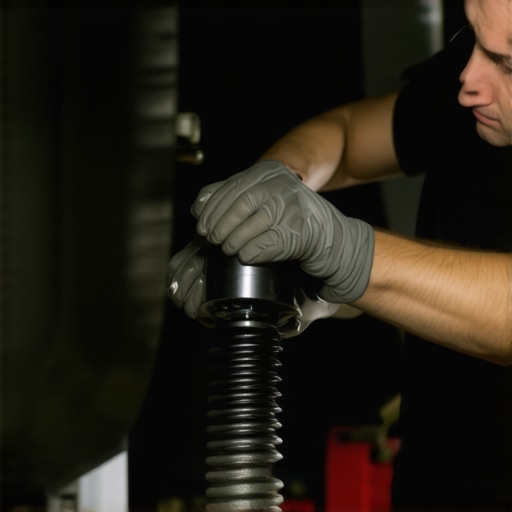
Many car owners believe they understand the basics of auto repair, but some pervasive myths can lead to costly mistakes. For instance, a frequent misconception is that all brake noise indicates immediate replacement. In reality, minor squeaks might be due to glazed pads or debris, which can often be addressed with simple cleaning or lubrication, saving you money and time. However, rushing into full pad replacement without proper inspection can be an unnecessary expense.
Can Relying Solely on Dashboard Warning Lights Mislead You?
This is a trap I’ve seen many fall into. Dashboard lights, like the Check Engine or ABS warning, are crucial, but they don’t tell the full story. Advanced vehicle diagnostics reveal precise error codes that differentiate between a minor sensor glitch and a major system failure. Ignoring these detailed diagnostics in favor of a quick fix based solely on warning lights can result in overlooking underlying issues—potentially causing further damage down the line. Recent studies show that properly interpreting diagnostics can prevent up to 30% of unnecessary repairs, emphasizing the importance of expert evaluation before jumping to conclusions.
Another common mistake is the assumption that an oil change is merely topping off the oil when, in fact, innovations in oil change technologies have introduced longer-lasting synthetic oils and filtration systems that significantly extend service intervals and protect engine components. Ignoring these advancements and sticking to outdated routines might mask early signs of wear or lead to over-maintenance.
Similarly, many believe brake servicing is just replacing pads when the reality involves assessing rotor condition, brake fluid quality, and even ABS system functionality. Skipping comprehensive brake service strategies can compromise safety. For true longevity and performance, understanding the subtle signs of specific issues—like uneven pad wear or fluid degradation—is essential. This nuanced approach can help prevent emergency repairs and ensure optimal stopping power.
Engaging with the finer points of auto repair—such as recognizing that fitted parts must meet exact specifications and understanding how system interdependencies affect diagnostics—sets experienced owners apart from novices. For example, misdiagnosing a suspension squeal as just a worn bushing without checking the entire system might overlook a failing strut seal that could lead to shock failure, affecting ride quality and safety. That’s why comprehensive inspections and knowledge of common pitfalls make all the difference.
So, the next time you hear an odd noise or see a warning light, consider that there might be more beneath the surface. Implementing advanced diagnostics and staying informed about technological innovations in maintenance can save you money and extend your vehicle’s lifespan. Remember, expertise isn’t just about correcting issues—it’s about understanding the nuances that lead to smarter, safer decisions. Have you ever fallen into this trap? Let me know in the comments.
Keep It Running with Precision Tools
Maintaining your vehicle over time requires investing in and mastering specific equipment that ensures accuracy and longevity. One indispensable tool I personally rely on is a high-quality automotive scan tool. I prefer models like the OBD2 scanner with live data capabilities because it provides real-time insights into engine performance, sensor health, and fault codes, allowing me to catch issues before they escalate. These scanners have advanced features like freeze-frame data and customizable dashboards, making diagnostics faster and more effective.
Complementing this is a laser alignment tool. Though often overlooked, proper wheel alignment prevents uneven tire wear and ensures optimal fuel efficiency. I use a portable laser alignment system that allows for quick checks at home, saving both time and money. Regular alignment checks—every 10,000 miles or so—are crucial for long-term vehicle health.
When it comes to routine maintenance like oil changes, I recommend a precision synthetic oil pump for consistent, mess-free refilling. Brands like Mityvac help me control oil flow and avoid overfilling, which can harm the engine over time. Additionally, I utilize a magnetic drain plug to better monitor contaminant buildup—an easy upgrade that aids in early detection of wear inside the engine.
Embracing Technology for Future-Proof Maintenance
Looking ahead, advancements such as smart oil change systems are making maintenance more predictive. These systems analyze oil condition digitally and can schedule changes automatically, reducing human error. I predict sensor-driven maintenance will become more mainstream, further extending vehicle lifespan and safety.
How do I keep vehicle diagnostics effective over time?
Consistently updating your diagnostic software and calibration is key. Manufacturers release firmware updates that improve fault detection and compatibility with newer vehicle models. As a user, subscribing to updates for your scan tool or checking with a trusted specialist ensures you’re always equipped to diagnose emerging issues confidently.
Another tip is to build a maintenance library of digital records. This helps track pattern trends in part wear or sensor anomalies, enabling smarter planning for replacements. It also streamlines diagnostics when visiting repair shops, as technicians can review comprehensive history logs.
If you haven’t already, try integrating a vehicle diagnostics routine into your maintenance schedule. Doing so can reveal hidden problems early and save you countless dollars in repairs down the line.
Lastly, always invest in quality replacement parts—OEM when possible—and keep a set of professional-grade tools. Remember, maintaining vehicles today involves a mix of traditional mechanical skills and familiarity with digital diagnostics. That blend ensures your ride keeps functioning smoothly for years to come.
Curious about how to execute a long-term maintenance plan?
Start by conducting a comprehensive diagnostic check, using trusted tools and up-to-date software, to identify current issues. Following that, schedule routine operations like oil changes with advanced smart oil systems and alignments every 10,000 miles or as recommended by your vehicle manufacturer. Keep detailed records and stay informed about technological innovations in automotive care. Regularly inspecting suspension, brakes, and vital systems with precise instruments like laser alignment tools and magnetic drain plugs guarantees consistent performance and safety. Incorporate these practices into your routine, and your vehicle will reward you with reliable service and extended lifespan.
3 Lessons That Changed How I Approach Auto Troubleshooting
- Not all squeaks are created equal. I used to dismiss every noise as minor, but I realized that some are early warning signs of costly future repairs. Listening carefully can save both your time and money.
- Visual inspections are your best friends. A simple check under the hood often reveals worn or damaged parts before they cause a breakdown. Developing this habit was a game-changer for me.
- Leverage technology wisely. Modern vehicle diagnostics provide insights that were unimaginable a decade ago. Using reliable tools can pinpoint issues accurately, avoiding unnecessary replacements.
Tools and Wisdom That Keep My Ride Smooth
- OBD2 Scanner with Live Data Capabilities: I trust this for real-time insights, helping me identify hidden faults early.
- Laser Wheel Alignment System: Ensures my tires wear evenly and handles track true, saving me money in the long run.
- Synthetic Oil Pump and Magnetic Drain Plug: These upgrades allow for cleaner, more precise oil changes, extending engine health.
- Reputable Repair Guides and Forums: Websites like top auto repair tips and expert communities have been invaluable for DIY tweaks and troubleshooting.
Embrace Smarter Maintenance for Your Vehicle’s Future
Taking control of your auto care with the right knowledge and tools transforms challenges into opportunities for vehicle longevity. From understanding subtle suspension squeaks to leveraging advanced diagnostics, every insight helps you make informed decisions. The road to a reliable, safe ride begins with proactive care—so don’t wait for that squeal to turn into a costly breakdown. Share your own lessons or questions below, and let’s keep the conversation rolling — your vehicle will thank you for it!