
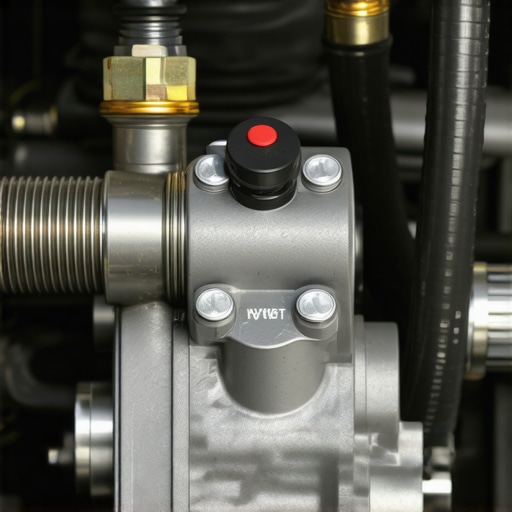
I’ll never forget the day I was stranded on the side of the road, my engine sputtering and dying just a few miles from home. It was a muggy summer afternoon, and I felt that familiar sinking feeling in my gut—what could be wrong now? Turns out, sometimes the sneakiest problems aren’t obvious, and I didn’t have a fancy fuel pressure gauge to diagnose the issue. That lightbulb moment led me down a path of learning how to spot a failing fuel pressure regulator using simple methods—no special tools required.
Why Diagnosing a Fuel Pressure Regulator Matters
A healthy fuel pressure regulator keeps your engine running smoothly by maintaining the right fuel pressure. When it starts to fail, it can lead to rough idling, poor acceleration, or even stalling—all without any dashboard warning lights. Recognizing these signs early can save you a ton of money and trouble, preventing what could become a major repair down the line. Over the years, I’ve found that being proactive isn’t just smart—it’s essential, especially if your vehicle’s under the hood more than it is on the road. According to recent automotive repair studies, neglected regulator issues often escalate into costly repairs, which could have been avoided with a simple early check. Want to stay ahead of the game? Let’s explore how you can tell if your fuel system is protesting without ever touching a gauge.
Is Checking Without a Gauge Really Effective?
Early on, I made the mistake of thinking I needed expensive diagnostic equipment to verify my fuel pressure. Turns out, you can spot the telltale signs with a keen eye and some basic knowledge. Think of it as giving your car a check-up with your senses—listening, feeling, and even smelling for clues. If you’re like me, you might worry that you need to be an expert to diagnose these issues. The good news? With a little patience and attention, you can catch the early signs of a failing regulator before it turns into a roadside emergency. For more insider tips on DIY auto diagnostics, feel free to visit this guide.
So, have you ever experienced unexplained engine hesitation or sudden stalls? If so, you’re not alone. Many drivers overlook subtle clues and pay the price later. But here’s the thing—spotting these symptoms without fancy tools is entirely possible if you know what to look for.
Now, let’s get into the practical steps that will empower you to diagnose a failing fuel pressure regulator using only your senses and a bit of know-how. Ready? Let’s dive in and turn you from a worried driver into a confident mechanic—even if just for your own vehicle.
.
Start with a Visual and Sensory Inspection
First, get your eyes and nose involved. Check for signs of fuel leaks around the fuel rail and regulator—look for wet spots or a strong smell of fuel, which indicates a problem. Feel the vacuum line connected to the regulator; if it’s cracked or brittle, replace it immediately. I remember my own mess when I overlooked a cracked vacuum hose—gasoline smell everywhere, a real headache. Replacing damaged hoses is straightforward and cheap, and it can prevent misdiagnosis.
Listen for Engine Hesitation and Rough Idling
Turn on the engine and observe how it runs. Hesitation, sputtering, or uneven idle can point to a fuel pressure issue. While this isn’t a definitive test, these symptoms are clues to investigate further. This approach is akin to noticing when your pet is acting off—sometimes, that’s your first hint something’s wrong. I once drove with a rough idle for a few weeks, and it turned out my regulator was gradually failing, which I finally caught before a breakdown.
Perform a Fuel System Pressure Check Using Basic Methods
Although you may not have a gauge, you can perform a rough pressure test. Disconnect the fuel line at the fuel rail—be cautious; fuel will spill. Place a clean container or rag underneath to catch drips. Turn the ignition on (without starting the engine) to activate the fuel pump; note if fuel flows steadily. Erratic flow, sputtering, or no flow at all suggests pressure issues. This method isn’t precise, but it’s useful for early detection. Check your vehicle’s manual for the fuel pump priming sound—it should hum steadily for a couple of seconds after turning the key. If you hear irregular sounds or silence, suspect the regulator or pump problems. Remember, if you’re unsure, visiting this guide can help improve your diagnostic skills.
Observe Fuel Pressure Behavior During Driving
Accelerate on an open road and pay attention to your engine’s response. Hesitation, stalling, or surging can stem from inconsistent fuel pressure. A failing regulator often causes these issues, especially under load. Just like noticing your bike sputtering uphill, engine performance drops when fuel delivery falters. During my own test drive, I noticed the engine hiccuping at high RPMs—an indicator that the regulator was not maintaining proper pressure. Fixing this often involves replacing the regulator, which is simpler than it seems, especially if you follow these auto repair hacks.
Check for Vacuum Line Integrity
The vacuum line connected to the regulator controls pressure regulation. Inspect it for cracks, disconnections, or soft spots. If damaged, replace the line; it’s an inexpensive fix that restores proper pressure control. Think of it as replacing a blown fuse—an easy fix that prevents bigger problems. I once replaced a vacuum line on my old truck, and the engine immediately ran smoother, confirming my suspicion that the line was causing the pressure inconsistency. For a thorough overview, review this resource.
Use Yourself as the Diagnostic Tool
Finally, trust your intuition. If your engine feels sluggish, stalls often, or consumes more fuel than usual, these are signals to dig deeper. Combining sensory observations with simple hands-on tests can save you money and prevent breakdowns. I learned the importance of this approach when I fixated on flashy diagnostic tools—nothing beats your own senses and a little patience for early detection. For more insights on DIY diagnostics, visit this guide.
Many car owners assume that automobile diagnostics and repairs follow a straightforward, one-size-fits-all approach, but in reality, there’s much more beneath the surface. One prevalent misconception is that modern vehicles no longer require manual checks or basic understanding—nothing could be farther from the truth. Advanced vehicle systems are complex, but neglecting the fundamentals can lead to costly mistakes. For instance, relying solely on diagnostic tools without understanding common pitfalls can cause you to overlook critical issues, ultimately leading to breakdowns that could have been prevented through simple inspections. This is why gaining nuanced knowledge—not just basic mechanic skills—is essential for truly effective vehicle maintenance.
Are Diagnostic Codes Enough or Is Context Key?
Many drivers believe that fault codes from scan tools tell the whole story. However, these codes are merely indicators pointing toward probable issues, not definitive diagnoses. Interpreting these readings requires an understanding of the vehicle’s behavior and history, which automated tools can’t provide. Skipping this critical step can mislead you into unnecessary repairs or overlook the actual problem. Studies from automotive experts reveal that a significant number of misdiagnosed issues stem from over-reliance on code readers rather than comprehensive assessments. To truly master diagnostics, explore this guide on nuanced vehicle diagnostics.
Another widespread myth involves oil changes, where many think every 3,000 miles is a hard rule. Modern synthetic oils and advanced engine designs have extended these intervals, but neglecting to consider driving conditions or engine health is a mistake. An overlooked nuance is inspecting the oil filter and oil quality visually; sometimes, the oil appears clear but has degraded properties, especially in high-mileage engines or harsh climates. Rushing to adhere to strict mileage without recognizing these subtle cues can cause premature engine wear. For deeper insights, visit this resource on smarter oil change strategies.
In brake service, a common misconception is that replacing pads alone suffices. However, neglecting the condition of rotors, calipers, and brake fluid can compromise safety and performance. An advanced mistake many make is ignoring the importance of proper bedding-in procedures for new pads, which ensures optimal contact and longevity. Additionally, not considering the material compatibility between pads and rotors can lead to uneven wear or squealing. Professional brake service involves understanding these nuanced interactions—something not immediately obvious to novices. For comprehensive guidance, see this detailed explanation.
Being aware of these hidden nuances and debunking common myths can save you money and extend your vehicle’s lifespan. Avoid the trap of superficial fixes or trusting superficial diagnostics; instead, develop a deep understanding of how systems interact and what subtle signs to look for. Remember, a small clue can often reveal a bigger underlying issue, especially when you combine sensory observations with informed checks. And don’t forget—regular, informed maintenance is your best defense against unexpected breakdowns. Want to master auto diagnostics and repair? Check out this advanced guide for expert insights. Have you ever fallen into this trap? Let me know in the comments.
Prioritize Quality Equipment for Long-Term Reliability
When it comes to maintaining your vehicle efficiently, having the right tools makes all the difference. I personally swear by a high-quality digital multimeter. Not just any multimeter will do; I use a Fluke 115, because its accuracy and durability are unmatched for automotive diagnostics. It allows me to measure battery voltage, check sensor signals, and verify electrical circuits with precision, reducing guesswork and preventing unnecessary repairs. Investing in a reliable multimeter ensures you catch electrical issues early, extending your vehicle’s lifespan.
Invest in Advanced Diagnostic Software
For modern vehicles, I highly recommend OBD-II scan tools with comprehensive software capabilities. I use the Autel MaxiCheck Pro, which enables live data monitoring and freeze frame analysis. Unlike basic code readers, this device helps me interpret complex fault codes and understand underlying issues—saving time and money. Regularly updating the software ensures you stay ahead of emerging vehicle systems, especially as cars become more digitized. To learn more about software options, check out this resource.
Implement Precise Measuring Instruments
A digital dial indicator, for example, is essential for checking engine components like pulley runout or valve timing. I personally use the Mitutoyo 146-101, which provides accurate readings, preventing misalignments that can cause long-term damage. These tools help me perform detailed inspections that go beyond surface-level checks, ensuring parts are within manufacturer specifications. Accurate measurements can often reveal issues hidden beneath the surface, making them invaluable for preventive maintenance.
Create a Maintenance Routine and Keep Records
While tools are vital, establishing a consistent routine makes a huge difference. I recommend setting up a schedule for oil changes, brake inspections, and fluid checks based on your vehicle’s usage. Using a maintenance log—either digitally or physically—helps track repairs and inspections over time. This habit allows you to identify patterns, such as recurring issues with sensors or wear on certain components, enabling proactive repairs before breakdowns occur. For detailed guidelines, see this article.
Predicting the Future of Vehicle Maintenance Tools
Looking ahead, I believe the integration of IoT and AI will revolutionize auto diagnostics. Imagine diagnosing issues instantly through connected sensors and predictive analytics—reducing the need for manual checks. As these technologies become more affordable and widespread, DIY enthusiasts and professional mechanics alike will benefit from real-time insights and automated alerts, making vehicle maintenance more efficient and less guesswork-heavy. Staying updated with these trends will give you a significant edge in keeping your vehicle running smoothly over the years.
How Do I Maintain My Car’s Systems Over Time?
Maintaining your vehicle over the long haul involves more than just occasional checkups. Regularly using a quality diagnostic tool to monitor your vehicle’s health helps catch problems early. For instance, periodically checking sensor signals with your multimeter or scanning for software updates keeps your systems calibrated and running efficiently. Adopting a disciplined maintenance schedule, recording all repairs, and staying informed about technological advances are key strategies. For detailed tips on making your maintenance routine effective, explore this comprehensive guide. Also, consider trying the advanced diagnostic technique of live data analysis during your next oil change or brake inspection to spot issues before symptoms develop. Regular proactive measures can save you big money and extend your car’s service life.
What I Wish I Knew Before Starting My Auto Maintenance Journey
- The smallest signs matter—a slight rough idle or a fuel smell can reveal bigger issues if you pay attention early enough. Learning to trust your senses saves you money and prevents breakdowns.
- Not all diagnostic tools are equal—investing in quality equipment, like a reliable multimeter or an advanced scanner, transforms guesswork into confidence. Over time, I realized that the right tools are invaluable for accurate diagnosis and peace of mind.
- The importance of patience and curiosity—auto repair is as much about understanding your vehicle as it is about fixing it. Spending time observing how your car responds can teach you more than any quick fix ever could.
Tools and Resources That Elevated My Auto Repair Skills
- Automotive Diagnostic Guides—Resources like this guide helped me interpret fault codes and understand vehicle behavior beyond the screen. It’s essential to connect the dots rather than just read the codes.
- High-Quality Testing Equipment—a dependable multimeter such as Fluke 115 is worth every penny. It ensures accurate electrical readings that prevent unnecessary repairs and prolong vehicle life.
- Learning from Trusted Sources—websites like this article provided insights into proactive diagnostics, saving me from reactive repairs.
- Community and Mentorship—joining online forums and local repair groups helped me learn from experienced car enthusiasts, reinforcing that even seasoned mechanics are always learning.
Feel Empowered: Your Vehicle’s Secrets Are Within Reach
Every time I applied these lessons, I felt more connected to my vehicle and more confident in handling unexpected issues. Auto repair isn’t just about fixing cars; it’s about transforming fear into knowledge and hesitation into action. Remember, the key to mastery lies in curiosity and continuous learning. So, start small, observe keenly, and don’t hesitate to dig deeper beneath the surface. Your vehicle has stories to tell—are you ready to listen and learn? If you’ve ever hesitated at that first check or wondered about a strange sound, share your experience below. Let’s empower each other to become better car owners and troubleshooters together.