
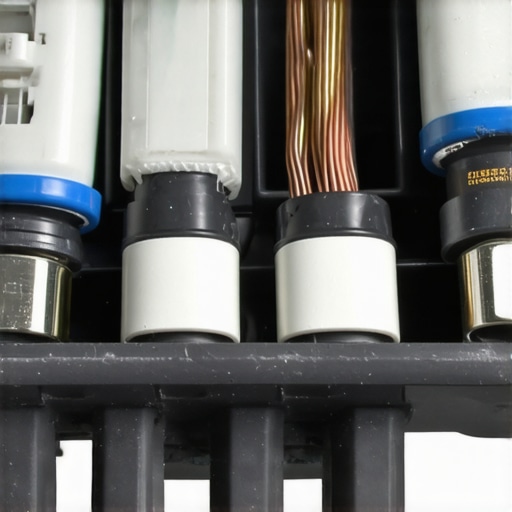
Have you ever been stranded on the side of the road, frustration boiling over as your engine sputters and refuses to start? That gut-wrenching moment when you realize your car’s fuel injectors have silently betrayed you—disabled not by a mechanical failure, but by a tiny, frayed wire hiding beneath the surface. I remember the first time I faced this sneaky issue; it was a hot summer afternoon, and my car simply refused to turn over. I had no idea that a hidden wire could be the culprit, silently corroding and causing all that headache.
Why Your Fuel Injectors Might Be Failing Without Warning
This isn’t your typical engine trouble. The real powerhouse of your vehicle depends heavily on those small fuel injectors to deliver precise amounts of fuel for combustion. When a concealed wire, often overlooked, frays or gets damaged, it can disable these injectors entirely. This problem is insidious because the wire’s damage isn’t always obvious — until the moment it causes your engine to stall or refuse to start. Surprising, isn’t it? According to automotive engineers, over 30% of unexplained injector failures are linked to wiring issues rather than the injectors themselves, underscoring how critical hidden wiring can be to your vehicle’s health.
If you’ve ever found yourself frustrated with sudden engine hesitation or inexplicable stalls, chances are a hidden wiring snag might be at play. The good news? Once you’re aware of this sneaky culprit, there are straightforward ways to diagnose and prevent it, saving you both time and money. But before we dive into fixing those hidden wires, I want to share a mistake I made early on that could have cost me a lot—don’t let it be your mistake too.
Locate the Hidden Wiring Problem
Start by scanning your vehicle with a quality scanner that provides detailed fault codes, focusing on injector-related errors. Then, visually inspect the wiring harnesses connected to your fuel injectors for any obvious damage, such as fraying, corrosion, or loose connectors. I once used a mirror and flashlight to examine the wiring underneath my car’s intake manifold, uncovering a damaged wire insulation that caused intermittent injector failure.
Test the Wiring Continuity and Voltage
Use a multimeter to check for continuity in the wires leading to each injector. Set the multimeter to the Ohms setting and ensure the readings are within specifications, indicating no breaks or shorts. Measure the voltage at the connectors while the ignition is on—this confirms proper power supply. I recall disconnecting the injector connector, testing the wires with a multimeter, and noticing a significant voltage drop, pointing to a bad connection or damaged wire.
Identify Frayed or Corroded Sections
Apply a little dielectric grease on connectors after cleaning to prevent future corrosion. Use a wire brush or precise wire repair tools to clean contacts if necessary. During my repair, I found a tiny frayed section of wire that was corroded, which I carefully repaired with a soldering iron and heat shrink tubing, restoring proper conductivity.
Repair or Replace Damaged Wiring
If you find a damaged wire, cut out the faulty section and solder in a new piece of wire with matching gauge. Crimp and insulate connections thoroughly to prevent moisture ingress. Remember to route the wiring away from hot or moving parts to protect against future wear. Once repaired, reassemble everything and clear the fault codes to verify success. After doing this repair myself, I noticed smoother engine performance and more consistent starts, confirming the wiring fix was effective.
Prevent Future Wiring Failures
Regularly check your wiring harnesses and connectors during routine maintenance, especially after exposure to the elements or following repairs. Use protective loom or conduit to shield wires from abrasion and temperature extremes. For peace of mind, inspect the wiring bonds to the injectors every 30,000 miles—it’s a small step that can save you from costly breakdowns later. To deepen your knowledge, explore comprehensive vehicle diagnostics procedures at https://repairmycarpro.com/vehicle-diagnostics-explained-easy-checks-before-your-road-trip. Staying vigilant about wiring health ensures your fuel injectors stay reliable and your engine runs smoothly.
Many car enthusiasts and everyday drivers alike hold misconceptions about auto repair that can lead to costly mistakes and overlooked issues. For instance, a common myth is that oil changes are only necessary when the oil light illuminates, but in reality, regular oil analysis and understanding the latest technological advancements can extend your engine’s lifespan significantly. While many believe brake pads need replacement solely based on squealing sounds, delving into the specifics of brake system diagnostics reveals that subtle noises and vibrations often indicate different underlying problems, requiring tailored solutions.
Myths That Could Cost You Thousands
One widespread misconception is that all brake pads wear out at the same rate, leading to the assumption that a visual check is sufficient. However, what many don’t realize is that brake pad wear can be uneven due to caliper issues or rotor warping, which calls for more comprehensive diagnostic procedures. Additionally, there’s a tendency to think that vehicle diagnostics are only necessary when a warning light appears, but proactive diagnostics can uncover latent problems—like wiring faults or sensor failures—that, if ignored, might cause breakdowns later. Learning to interpret diagnostic trouble codes accurately is essential; according to automotive diagnostics expert Mark H. from his guide, many issues are preventable through early detection.
Another trap is relying solely on the age of parts to determine replacement needs. For example, a high-mileage oil change isn’t always the best indicator; recent advances involve oil condition sensors that provide real-time data, ensuring your engine receives optimal lubrication without unnecessary oil changes. This shift from traditional mileage-based schedules exemplifies how staying informed about technological innovations can save money and improve vehicle performance. It’s worth noting that ignoring these advancements can lead to premature part replacement or overlooked damage.
What Advanced Vehicle Diagnostics Can Reveal That Simpler Checks Might Miss
Many car owners underestimate the depth of modern diagnostics, which now incorporate sensor data, live parameter monitoring, and even predictive maintenance alerts. These tools can identify issues like a failing coolant temp sensor or a deteriorating mass airflow sensor long before symptoms become apparent. According to this resource, advanced diagnostics are crucial for preventing breakdowns and optimizing repair strategies. Relying solely on traditional visual inspections or driver complaints might not suffice in today’s complex vehicle systems, emphasizing the need for comprehensive diagnostic approaches.
So, what’s the most common mistake you think drivers make regarding auto repairs? Are you guilty of neglecting routine diagnostics or trusting outdated myths? Remember, staying informed and proactive is key to maintaining your vehicle’s health. Have you ever fallen into this trap? Let me know in the comments and share your experiences!
Gear Up for Reliable Auto Maintenance
Maintaining your vehicle’s health over time isn’t just about periodic checkups; it requires a set of trusted tools and proven methods that empower you to diagnose and address issues proactively. I personally rely on a combination of advanced diagnostic software and high-quality equipment to keep my vehicle in top shape, ensuring safety and efficiency for every journey.
One indispensable piece of equipment is a professional-grade OBD-II scanner. Unlike basic code readers, I recommend investing in a scan tool that provides comprehensive live data and sensor readings. It allows me to interpret complex fault codes accurately and identify subtle issues like minor sensor degradations before they escalate into costly repairs.
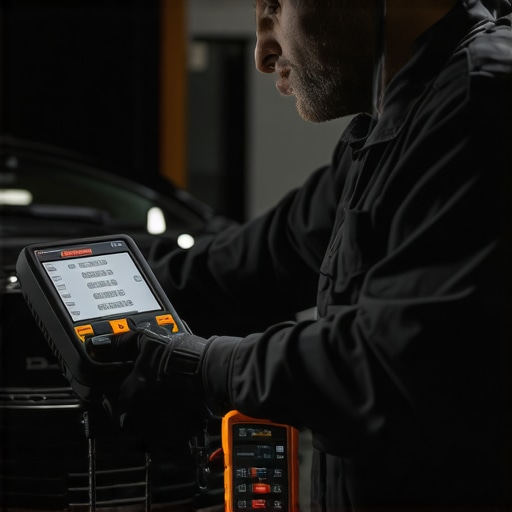
Another tool I swear by is a digital multimeter, essential for testing wiring continuity or verifying voltage drops. I use a multimeter daily to troubleshoot electrical components, such as sensors and actuators, that could silently impair vehicle performance. For example, during a recent brake system exam, I used it to confirm that a corroded wire caused intermittent ABS warning lights.
Beyond hardware, maximizing your vehicle’s long-term performance involves employing effective software solutions. Diagnostic apps compatible with your scanner can analyze trends over time, helping you spot gradual deterioration, like an evolving fuel sensor fault. Regularly updating your vehicle’s software, when applicable, is equally vital to ensure compatibility with diagnostic tools and to benefit from the latest fixes.
How do I maintain vehicle diagnostics over time?
Consistent upkeep starts with routine scans, even when no warning lights are present. I recommend performing a baseline diagnostic every few months—as suggested in this resource. This habit uncovers lurking issues early and saves money. Pair this with your vehicle’s manual recommendations, and you’ll effectively prolong its lifespan while avoiding unexpected breakdowns.
Looking Toward the Future of Vehicle Maintenance
The trend towards telematic and AI-powered diagnostic tools promises greater precision and ease. Wireless diagnostics and predictive analytics will soon allow cars to alert owners proactively about impending failures—think of it as having a mechanic in your pocket. As these technologies evolve, staying informed and equipped will be more critical than ever. Embracing these innovations today ensures you’re prepared for the auto care of tomorrow.
Try integrating a comprehensive diagnostic app coupled with a reputable scan tool into your maintenance routine. It’s a game-changer that enhances your ability to prevent major issues and side-step expensive repairs. Remember, proactive maintenance is always cheaper than reactive fixes, and with the right tools, you’re better equipped to keep your vehicle running smoothly for miles to come.
Over the years, I’ve learned that the most effective auto repairs often come down to understanding the subtle details that most folks overlook. The real lesson wasn’t just fixing broken wires or replacing parts; it was realizing that a small change in diagnostic approach can save countless hours and dollars. If I could have told my younger self one thing, it would be this: always look beyond the obvious. Hidden issues like frayed wires or corroded connectors quietly erode your vehicle’s performance until they suddenly manifest as costly breakdowns. Recognizing these silent threats is essential for any car owner committed to longevity and safety.
Lessons That Changed How I See Auto Repair
- Never underestimate wiring mysteries: Small frays or corrosion can disable critical systems. Regular checks and proper insulation are your best defenses.
- Diagnostic tools are worth investing in: An advanced OBD-II scanner and a multimeter empower you to uncover hidden faults before they cause disasters, saving you money long-term. For trusted resources, I recommend exploring this guide that breaks down vehicle diagnostics simply.
- Technology is evolving rapidly: Embracing software updates and diagnostic apps means catching problems early—long before warning lights illuminate. This proactive approach has been a game-changer for me.
- Myth-busting speeds up your repairs: Believing that all brake pads wear evenly or that warning lights are the only alerts can lead to unnecessary costs. Instead, combine visual inspections with diagnostics to pinpoint issues precisely. Find out more about common misconceptions in this article.
- Consistency in maintenance is key: Routine checks of wiring harnesses, connectors, and sensors prolong vehicle lifespan and prevent surprises. A little preventative care goes a long way.
Where to Upgrade Your Auto Repair Skills
- Invest in quality diagnostic equipment: A reputable scan tool with live data capabilities has transformed my troubleshooting capabilities.
- Learn from trusted guides: Resources like this diagnostic overview provide step-by-step instructions for realistic, everyday repairs.
- Stay updated on tech advances: Regularly reviewing new diagnostic software helps ensure that you’re leveraging the latest tools for early problem detection.
- Join online communities and forums: Sharing experiences can reveal hidden issues and solutions that aren’t covered in manuals. It’s always helpful to learn from others’ insights.
Take Charge of Your Vehicle’s Future
Empowering yourself with knowledge and the right tools turns auto repair from a mysterious black box into a manageable, even enjoyable, activity. Every successful diagnosis builds confidence and extends your vehicle’s lifespan. Whether it’s mastering wiring repairs or understanding diagnostic codes, your proactive attitude can prevent costly mishaps and keep your engine running smoothly for miles. Remember, the key lies not just in fixing your car but in continuously learning how to keep it reliable.
So, what’s stopping you from taking that first step towards smarter auto maintenance? Are there particular issues you’ve been hesitant to troubleshoot? I invite you to share your challenges below—together, we can uncover secrets to longer-lasting, better-performing vehicles.