
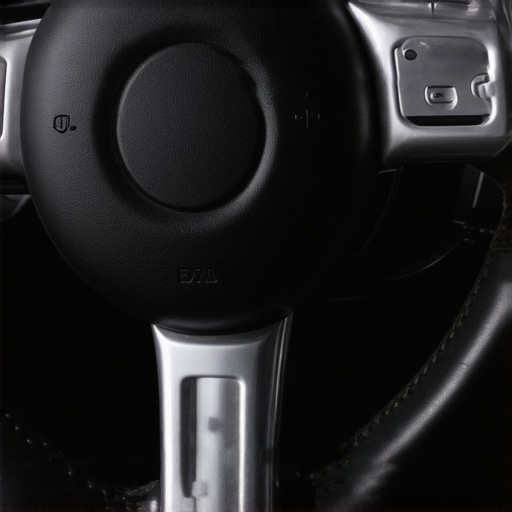
Ever been behind the wheel when your steering wheel unexpectedly feels like it’s juggling on a loose wire? One minute you’re cruising smoothly, and the next, there’s a faint wobble, or worse, that unsettling sensation of play in the center position. I remember the first time it happened to me during a long drive; I thought maybe I was imagining it. But as I kept going, that vague looseness turned into a nagging concern that could compromise my safety. That lightbulb moment made me realize how important it is to understand why your steering wheel might feel so loose—because ignoring it could lead to much bigger headaches, like costly repairs or, worse, accidents.
Inspect the Steering Components
Start by safely parking your vehicle on a level surface and engaging the parking brake. Turn off the ignition, then remove the steering wheel cover or steering column cover with screwdrivers. Check the steering shaft for any looseness or visible damage. Use a socket wrench to tighten the steering gear mounting bolts if they’re loose. Think of this as tightening the nuts on a bicycle’s front wheel—secure parts prevent wobbling and ensure smooth steering.
Test and Tighten the Steering Play
Gently turn the steering wheel back and forth to feel for excessive play. If there’s noticeable looseness, inspect the tie rod ends and steering linkage. Looseness here can cause that vague feeling of drifting. Use a mechanic’s wrench to tighten the tie rod adjustments if they are loose, ensuring they are within manufacturer specifications. Remember, just like tuning a guitar string, proper tightness makes all the difference in performance.
Replace Worn or Damaged Parts
Identify worn parts such as the steering rack bushings or ball joints. If these components are damaged or excessively worn, replacing them is crucial. Remove the faulty part with appropriate tools, and install a new one, tightening bolts and nuts to specified torque values. Think of this process as replacing worn-out shoes—good fit and secure attachment restore proper control.
Check and Adjust the Power Steering System
Low or dirty power steering fluid can contribute to looseness. Inspect the fluid level in the reservoir; if it’s low, top it up with recommended fluid. If the fluid is dirty, flush and replace it. For vehicles with hydraulic power steering, ensure the belt driving the pump is tight and in good condition. Similar to maintaining a bicycle chain, regular checks keep your steering responsive and tight.
Test Drive and Reassess
After completing repairs, take a slow test drive in a safe area. Pay attention to how the steering feels—any wobbling or looseness should be noticeably reduced. During the drive, check for unusual noises or vibrations, which could indicate residual issues. Remember, like fine-tuning a musical instrument, small adjustments can restore harmony to your steering experience.
Consult Professional Help if Needed
If after these steps your steering wheel remains loose, it’s time to seek professional assistance. A qualified mechanic can perform advanced diagnostics, ensuring safety and proper function. Sometimes, issues like internal steering gear problems are complex and best left to experts. For more insights on vehicle diagnostics, visit this comprehensive guide.
Myths About Quick Fixes Can Lead to Costly Mistakes
Many car owners believe that a simple spray of lubricant or a quick tighten will solve complex issues. However, relying solely on these superficial fixes without understanding underlying problems often results in recurring repairs. For instance, treating a squealing brake pad with a spray might temporarily suppress noise but won’t address the underlying wear. Experts recommend thorough inspections and component replacements when necessary, as detailed in auto repair hacks to save money without sacrificing quality.
Common Misconception About Oil Changes and Their Impact
Many drivers think that frequent oil changes are only necessary for older vehicles or when there’s an apparent engine problem. In reality, regular oil changes are vital for maintaining engine health, reducing friction, and preventing sludge buildup, which can deteriorate engine components over time. Advances in oil change technologies show that adhering to manufacturer-recommended intervals can significantly extend engine lifespan and improve performance, contrary to popular beliefs that they are optional or merely preventative.
Brake Service is More Than Just Replacing Pads
It’s a common misconception that brake pads are the only component that needs attention during brake service. In fact, a thorough brake inspection involves checking rotors, calipers, brake fluid, and even hydraulic lines to ensure the entire system functions correctly. Overlooking these other parts can lead to uneven wear, reduced stopping power, or even brake failure. Explore tips to extend your vehicle’s lifespan that emphasize comprehensive brake system maintenance rather than quick fixes.
Why Do Vehicle Diagnostics Often Mislead the Untrained Eye?
Vehicle diagnostics tools are powerful, but they can also be misunderstood. Many assume that a code readout directly pinpoints the issue without further investigation. However, sensors can give false positives or incomplete information, leading to unnecessary repairs or missed problems. Advanced diagnostics involve interpreting multiple data points and understanding vehicle behavior. According to expert insights on vehicle diagnostics, a comprehensive analysis prevents costly breakdowns and misdiagnoses.
Have you ever fallen into this trap? Let me know in the comments how you’ve navigated these common pitfalls or if you have other misconceptions to share!
Investing in Quality Equipment
Maintaining your vehicle over time isn’t just about knowing what to do—it’s about having the right tools on hand. I personally recommend a good set of calibrated dial indicators for checking brake rotor runout, which can prevent vibrations and uneven wear. For oil changes, a high-quality oil filter wrench ensures a proper fit, avoiding damage and ensuring seal integrity. A digital torque wrench is invaluable for tightening critical components like cylinder head bolts or wheel lug nuts to the manufacturer specifications, preventing over-tightening or under-tightening issues that can lead to costly repairs. Looking ahead, advancements in diagnostic equipment could make extensive vehicle analysis more accessible and precise for DIY enthusiasts.
Using Software for Diagnostics and Record-Keeping
Reliable diagnostics are the backbone of effective maintenance. I rely heavily on OBD-II scanner devices like the BlueDriver or Innova 3160g because they connect to my smartphone, providing real-time data and fault code interpretations. Incorporating software that logs your diagnostic history helps identify persistent issues that recur over time, making troubleshooting more efficient. For instance, regularly reviewing stored fault codes can alert you to underlying problems before they escalate. For comprehensive understanding, check out this guide on vehicle diagnostics, which explains interpreting data beyond the default codes.
Streamlining Oil Changes and Brake Checks
Automating routine tasks with specialized tools saves time and reduces errors. For oil changes, I use a calibrated oil drain pan with a built-in level indicator, ensuring I collect and dispose of used oil responsibly. When it comes to brake service, a brake caliper piston tool allows me to efficiently compress the pistons during pad replacement, preventing damage to the caliper. Regularly inspecting brake fluid with a clarity-testing kit reveals its condition, prompting timely flushes. Staying ahead with these methods prolongs component life and maintains safety, aligning with comprehensive brake service recommendations.
Predicting Future Trends in Maintenance Tech
The landscape of vehicle maintenance is shifting rapidly with integration of smart tech and automation. I predict that augmented reality (AR) tools could eventually guide DIYers through complex repairs, reducing the need for physical manuals. Electric vehicles (EVs) demand different diagnostics and maintenance approaches, emphasizing software diagnostics over mechanical checks. Embracing these innovations now means you’re better prepared for the future of auto repair, making long-term ownership more affordable and less stressful.
Questions to Keep Your Vehicle Running Smoothly
How do I maintain my vehicle in top condition over the years? The key is regular inspections with the right tools and an understanding of your car’s systems. For example, using a multimeter to periodically check battery voltage can prevent unexpected breakdowns. Also, staying proactive with software updates for your diagnostic tools ensures compatibility with new vehicle models. Don’t forget, consulting reliable sources like auto repair hacks can help you avoid common mistakes and save money long-term. Try out a detailed check of your brake rotors with a dial indicator—it’s simple, and it can save you from unexpected vibrations. Ready to upgrade your maintenance game? Keep these tools and tips in mind, and your vehicle will thank you for it.
The Unexpected Lessons That Changed My Approach to Auto Care
One of the most valuable insights I gained was realizing that quick fixes often mask underlying issues, leading to recurring problems and higher costs. For example, just applying lubricant to a squealing brake without inspecting the rotors and calipers can result in premature wear. Investing time in thorough inspections and understanding each component’s role has saved me money and improved safety.
Another lesson was understanding the importance of quality tools. Relying on calibrated torque wrenches and advanced diagnostic software not only makes repairs more accurate but also extends the lifespan of vehicle components. It’s an investment that pays off in peace of mind and vehicle longevity.
I also discovered that staying proactive with routine maintenance—like regular fluid checks and timely replacements—prevents small issues from turning into costly repairs. For instance, monitoring power steering fluid maintains steering responsiveness, avoiding unnecessary strain on the system. This approach has transformed my maintenance routine from reactive to preventive, ensuring my vehicle remains reliable.
Tools and Resources I Can’t Live Without
- OBD-II Scanner Devices: Devices like BlueDriver provide real-time diagnostics and fault code interpretations, making it easier to identify issues early. I trust them because they are user-friendly and highly accurate, saving me trips to the mechanic.
- Calibrated Dial Indicators: Essential for checking brake rotor runout and avoiding vibrations. Their precision helps me ensure components are within specifications before reassembly.
- Comprehensive Auto Repair Guides: Resources like auto repair hacks and detailed how-to articles provide step-by-step instructions, boosting my confidence in DIY repairs.
- Quality Hand Tools: Investing in reliable wrenches, Torque wrenches, and specialty tools has made my repair process smoother and more efficient, preventing damage to sensitive parts.
Your Next Driving Record: Take Charge Today
Empowering yourself with knowledge and the right tools transforms car maintenance from a chore into a rewarding experience. The future is heading toward smarter diagnostics and even more accessible technology that can make DIY repairs easier than ever. Whether you’re a seasoned enthusiast or just starting out, embracing continuous learning ensures your vehicle stays safe and dependable for years to come. Remember, every mile driven is an opportunity to learn and improve—so why not start today? How have you personally enhanced your vehicle maintenance routine? Share your stories below and inspire others to take control of their auto care journey.