
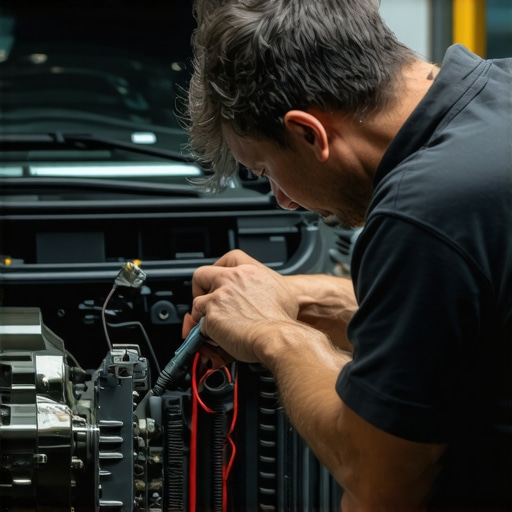
It was one of those mornings when my car decided to be stubborn. I turned the key, and instead of roaring to life, the engine hesitated, sputtered, and then stalled—again. Frustration kicked in. I’d been through this before with similar symptoms but never quite figured out the cause. Until that moment, where a simple wire cleaning revealed the secret to my problem.
How I Cracked the Code of the Stalling Issue
As a dedicated DIY enthusiast, I’ve learned that many engine troubles boil down to dirty contacts and loose wires. On that particular day, I decided to take a closer look at the wiring harnesses around the engine bay. What I found was a neglected, slightly corroded connector that seemed insignificant at first glance. But it was the culprit. Giving it a good clean with some contact cleaner not only restored proper electrical flow but also stopped my engine from stalling unexpectedly.
This experience taught me a vital lesson: sometimes, the fix is simpler than you think. Often, we overlook small details, assuming complex issues require complicated solutions. But in reality, a quick wire cleanup can save you hours of diagnostic work and expensive repairs.
In this post, I’ll guide you through the step-by-step process to diagnose and fix those stubborn stalling engines caused by electrical gremlins. If you’ve faced a similar problem or want to prevent it from happening, stay tuned!
Is Cleaning a Wire Really Worth the Effort? The Truth About Car Repairs
Many skeptics may think, “It’s just a wire, how big of a difference can cleaning it make?” Well, early in my auto repair journey, I made the mistake of ignoring minor corrosion because I assumed it was harmless. It turned out to be a costly oversight—your vehicle’s electrical system is delicate, and even a tiny amount of dirt or corrosion can disrupt your engine’s rhythm.
According to automotive experts, electrical issues cause nearly 40% of engine stalls or performance problems [source: https://repairmycarpro.com/auto-repair-hacks-save-money-without-sacrificing-quality]. So, don’t dismiss those little connectors. Sometimes the simplest fix is also the most effective.
Now, I’m here to share how you can identify these problem spots, clean them safely, and restore your engine’s reliability. Ready to troubleshoot like a pro? Let’s dive into the practical steps.
Identify the Suspect Connectors and Wires
Start by inspecting the wiring harnesses around your engine, targeting areas prone to corrosion or wear, especially under the hood. Use a flashlight to get a clear view of connectors; look for discolored, blackened, or crusty contacts. Remember, corrosion acts like rust inside your blood vessels, disrupting vital signals. I once spent an hour examining connectors near the battery and found a slightly corroded terminal that looked insignificant—yet was causing my engine to stall. Carefully disconnect the suspect connectors, ensuring the car is off and the keys are removed to prevent shorts.
Use Contact Cleaner to Refresh Connections
Apply a high-quality contact cleaner to the affected terminals. Spray the cleaner liberally onto the connector pins and sockets, then use a soft brush or cloth to remove dirt and corrosion buildup. Let it dry for a few minutes. This process is like clearing debris from a clogged artery—restoring smooth flow. In my experience, a simple spray combined with scrubbing restored a stable connection, resolving intermittent stalls. For best results, avoid touching the cleaned contacts with your fingers, as oil and dirt can recontaminate them.
Reconnect and Test Your Repairs
Reconnect the cleaned connectors securely, ensuring they lock into place properly—loose connections can mimic a failing heartbeat. Start your engine and observe how it responds. If you notice the engine runs smoothly without stalling, you’ve likely fixed the issue. If problems persist, further diagnosis may be needed, but often this quick clean suffices. Remember, electrical gremlins often hide in plain sight, ready to cause havoc if left unattended.
Additional Steps to Prevent Future Electrical Issues
Periodically inspect electrical connectors for signs of corrosion or looseness, especially after harsh weather or off-road adventures. Applying dielectric grease to the contacts can inhibit future corrosion, acting like a protective barrier. This simple preventative measure is like applying sunscreen—worth the effort to keep problems at bay. Regular maintenance as outlined in auto repair strategies for frequent drivers can save you hours of troubleshooting later.
 While many car owners believe that a simple oil change or brake replacement is straightforward, there’s often more beneath the surface that can trip even seasoned DIYers. One widespread misconception is that all brake pads are created equal; however, selecting the right type and understanding the nuances can significantly impact safety and longevity. For instance, ceramic pads may provide quieter operation, but they might not be suitable for high-performance driving or towing scenarios, where semi-metallic pads excel due to their durability.
Another common myth revolves around the idea that engine oil color indicates its condition. Many assume that dark oil must be changed immediately, but in reality, a thick, dark oil can still be effective if it hasn’t exceeded the recommended oil change interval. Regularly checking oil viscosity with a dipstick and considering driving conditions ensures more accurate maintenance decisions. For advanced enthusiasts, understanding how synthetic oils behave differently under extreme temperatures can prevent premature engine wear, a subtlety often overlooked.
What Are the Risks of Ignoring Vehicle Diagnostics Data?
Many vehicle owners dismiss the significance of the warning lights or error codes displayed on their dash, thinking a quick reset or ignoring the indicator will suffice. However, modern cars rely on complex sensors that provide early warnings about potential failures, from transmisson issues to fuel system leaks. Ignoring these signals can lead to costly repairs down the line, such as transmission rebuilds or engine replacements. Professional-grade diagnostic tools can uncover hidden problems before they escalate, and understanding how to interpret these codes is invaluable for proactive maintenance. According to automotive diagnostic experts, neglecting diagnostic data increases the risk of unexpected breakdowns and safety hazards [source: https://repairmycarpro.com/decoding-vehicle-diagnostics-what-your-car-is-trying-to-tell-you].
Establishing a habit of thorough inspection, informed decision-making, and not taking myths at face value can save you money and enhance your vehicle’s lifespan. Don’t fall into the trap of superficial fixes—deep knowledge and attention to detail are your best tools. Have you ever fallen into this trap? Let me know in the comments.
Keep Your Vehicle Running Smoothly with the Right Tools
Maintaining your car over time requires more than just basic supplies; investing in specific, high-quality tools can make all the difference. I personally favor a good digital multimeter like the Fluke 115 for electrical diagnostics because of its accuracy and durability. It allows me to quickly test voltage, resistance, and continuity without guesswork, saving me time and preventing potential mishaps. For even more precise readings, I use an automotive scan tool such as the Launch X431, which connects to the OBD-II port and gives comprehensive diagnostics, including live data streams that can pinpoint issues before they escalate. Having these tools on hand transforms a simple inspection into a detailed diagnosis, helping me catch problems early and avoid costly repairs down the line. As vehicle technology advances, staying updated with newer diagnostic devices will be crucial, and I predict that software integration and wireless diagnostics will dominate the industry in the future, making troubleshooting even more efficient.
How do I maintain vehicle diagnostics over time?
Regularly updating your diagnostic software ensures compatibility with the latest car models and repair techniques. I make it a point to connect my scan tool to the latest firmware updates, which often include expanded features and bug fixes—this approach keeps my diagnostics sharp and reliable. Additionally, calibrating your tools periodically guarantees precise readings, especially for sensitive measurements like sensor voltages. Rooting your maintenance routine in using trusted, well-calibrated equipment minimizes guesswork, resulting in faster, more accurate repairs. Learning to interpret the data from these diagnostics can also help you identify trends, such as gradual increases in sensor resistance, which may indicate developing issues. This proactive approach helps prevent breakdowns, enabling safer and more cost-effective vehicle management. For detailed guidance on diagnostics, check out this comprehensive guide. Start integrating these advanced tools into your routine, and you’ll find your repair confidence soaring—try updating your scanner’s firmware today!
Over the years, my deep dives into auto repair have taught me that small electrical issues can masquerade as major problems, leading to unnecessary frustration and costly repairs. One of the most eye-opening lessons I learned was that a simple wire cleanup can often be the missing piece in solving stubborn engine stalls or performance hiccups. Recognizing the significance of securing clean, corrosion-free connections isn’t just about quick fixes—it’s about understanding your vehicle’s intricate electrical dance.
Lessons That Changed My Approach to Car Maintenance
- Corrosion is often underestimated: That tiny, crusty connector might seem insignificant, but it can disrupt entire systems. Always inspect and clean those seemingly minor connections first.
- Preventative care trumps costly repairs: Regularly applying dielectric grease and periodic inspections save money and extend your vehicle’s lifespan, reinforcing the importance of proactive maintenance.
- Patience and attention to detail matter: Rushing through wiring inspections can overlook the root cause. Taking your time pays off in reliable repairs and peace of mind.
- DIY can be effective with the right knowledge: Equipping yourself with the proper tools and understanding elevates your ability to troubleshoot and maintain your vehicle effectively.
- Understanding your vehicle’s electrical system enhances confidence: Knowing where and how to look for issues empowers you to handle minor problems before they escalate.
Tools and Resources That Keep Me Ahead
- Essential auto repair strategies for frequent drivers — This comprehensive guide has been my go-to for developing a solid maintenance routine that’s both effective and cost-efficient.
- Decoding vehicle diagnostics — Equipping myself with proper diagnostic understanding and tools has been vital in catching issues early and avoiding major repairs.
- Advanced diagnostics for preventing breakdowns — Staying updated with the latest diagnostic tech ensures I can quickly identify problems that might otherwise go unnoticed.
- Innovations in oil change technology — Knowing how modern oils and fluids behave helps me make better decisions for my car’s health and longevity.
Lend Yourself the Confidence to Innovate
Taking control of your vehicle’s electrical health isn’t just about fixing problems—it’s about building a proactive mindset. Remember, sometimes the simplest solution can prevent complex failures. Trust in your growing expertise, keep learning, and don’t hesitate to tackle those corroded connectors—you might just save yourself hours and dollars. So, what’s the next electrical gremlin you’re ready to conquer? Share your experiences below, and let’s learn together!
,