

Ever had your dashboard light up with that innocent-looking orange warning, only to find your coolant levels dropping faster than your patience during a traffic jam? I remember the first time I faced this mysterious leak. It was late evening, and I was just about to call it a day after a quick oil change. While topping off the antifreeze, I noticed a tiny puddle beneath my car, but it wasn’t coming from the usual spots—no visible drips, no puddles on the ground. It was like my cooling system was secretly losing fluid without leaving a trail.
Uncovering the Mystery of Invisible Coolant Leaks
In my own auto repair journey, I quickly learned that coolant leaks can be sneaky. They can vanish before hitting the ground, hiding in places you wouldn’t think to check. This phenomenon can cause overheating, engine damage, and a real headache trying to figure out where your antifreeze is disappearing. Today, I’m going to share proven strategies to track down that elusive leak, ensuring your engine stays cool and your stress levels stay low.
Is a Leak That Doesn’t Hit the Ground Actually a Problem?
Absolutely. It might seem harmless at first—after all, no puddle, no mess. But the reality is, coolant can leak into small cracks, into the heater core, or even into the engine itself, without making a visible puddle. Ignoring these signs can lead to costly repairs or engine failure down the line. Early detection and swift action are the keys.
One mistake I made early on was assuming every tiny loss was just evaporation or a minor seepage—turns out, that was a costly oversight. Being proactive and understanding how to spot these leaks can save you a lot of money and hassle.
For more on vehicle health, don’t forget to check out [this guide on auto repair tips](https://repairmycarpro.com/top-auto-repair-tips-to-extend-your-vehicles-lifespan). Now, let’s delve into the methods I’ve used to find that pesky coolant leak hiding in the shadows.
Pressurize and Inspect the Cooling System
Start with a simple yet effective method: pressurize the cooling system using a radiator pressure tester. If you already own one, attach it to the radiator cap and pump to the recommended pressure, usually around 15 psi. Watch the gauge—if it drops within a few minutes, you’ve confirmed a leak. I once used this technique on my car after suspecting a tiny internal leak. The pump made a hissing sound when I applied pressure, and the gauge slowly declined. That indicated a leak, prompting me to scan for tiny cracks in the radiator and hoses.
Perform a dye test for pinpointing leaks
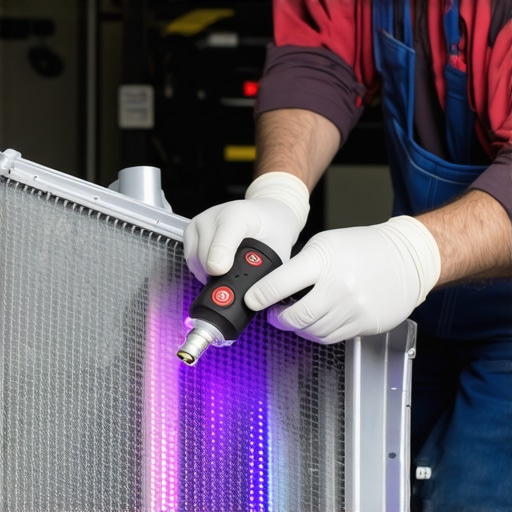
Inject a UV dye into the coolant reservoir following the product’s instructions. Then run your engine for about 15-20 minutes to circulate the dye. In my case, I used a black light to scan the engine bay and hoses—any leak would glow bright green. This method is especially useful for finding cracks or leaks inside heater cores or hoses that aren’t obvious to the naked eye. Decoding vehicle diagnostics can help interpret strange signs, but dye testing provides visual confirmation.
Check for evaporative and pressure-related leaks
Inspect hoses, clamps, and the radiator cap thoroughly. Use a mirror and flashlight to examine hard-to-reach areas. Also, pay attention to the radiator cap—sometimes a faulty or worn seal causes pressure loss without visible leaks. When I replaced my radiator cap, the system held pressure, and the leak disappeared. Replace worn seals or caps immediately to prevent slow leaks. Remember, if you notice a sweet smell or white exhaust smoke, coolant might be leaking into the engine combustion chamber or burning off, which indicates internal leaks.
Use a smoke tester for hard-to-find leaks
For persistent cases, employ a smoke machine. Seal the radiator opening, introduce smoke into the cooling system, and observe where it escapes. This device is invaluable for pinpointing tiny cracks or leaks in hard-to-access areas. I discovered a small crack in my radiator’s neck using this method, which wasn’t visible during a visual inspection. While it takes some investment, it’s a game-changer for serious leak detection.
Monitor coolant levels and engine temperature
Keep a close eye on coolant levels and engine temperature readings over days. Fluctuations hint at leaks or blockages. Vehicles with minor leaks might only show symptoms during extreme heat or traffic jams. Regularly check your coolant reservoir and note any drops or contamination signs. Using auto repair hacks can help you develop routine checks to prevent costly overheating issues.
Document findings and plan repairs
Record your inspection results: location of leaks, type of damage, and condition of hoses or seals. This documentation streamlines repairs, whether you’re doing them yourself or informing a mechanic. When I found a small crack in my radiator, I decided to replace the entire unit rather than patching it—saving time and ensuring longevity. Knowing exactly where and what to repair minimizes guesswork and expense.
By applying these concrete steps—pressurizing, dye-testing, inspecting, using smoke, and monitoring—you’ll improve your chances of locating those sneaky, hidden coolant leaks before they cause engine damage. Each technique builds on the last, creating a comprehensive diagnostic approach that saves both time and money in the long run.
 Many car owners assume that auto repair and maintenance are straightforward tasks, but the reality is more nuanced. A common myth is that all brake services are the same, leading people to choose the cheapest option without considering the quality of parts or the technician’s expertise. In truth, a thorough brake job prioritizes rotor resurfacing, proper pad bedding, and precision calibration—not just replacing pads and calling it a day. Skipping these steps can result in premature wear and compromised safety.
Is trusting generic auto repair shops risking your safety?
Absolutely. While affordability is appealing, cutting corners often means neglecting detailed diagnostics or using subpar parts, leading to costly repairs down the line. According to a study by the Vehicle Repair Institute, poorly executed repairs contribute to more than 40% of emergency breakdowns within six months. Moreover, many vehicle diagnostics are misunderstood by amateurs. Relying solely on dashboard warning lights without understanding the underlying sensor data can lead you astray. For instance, a flashing check engine light isn’t always about a simple misfire; it might indicate complex sensor failures or internal engine issues. Proper diagnostics demand advanced tools and experience—don’t underestimate their importance.
What mistakes do even experienced mechanics sometimes make?
One sneaky error involves misjudging the significance of minor oil leaks during routine maintenance. Many technicians overlook small drips, assuming they are insignificant, but these could be early signs of failing seals or cracks in the oil pan, which may cost hundreds if ignored. Using outdated diagnostic methods, like generic code readers instead of comprehensive scan tools, also risks missing critical issues. Investing in quality tools like advanced vehicle analyzers can catch problems before they escalate, saving both your vehicle and money. When it comes to oil changes, a common misconception is that every engine benefits from synthetic oil at every interval. While synthetic oils offer benefits, not every vehicle manufacturer recommends or warrants them for every model. Consulting the vehicle’s service manual and understanding the latest innovations in oil technology—such as low-friction, high-temperature formulations—can extend your engine’s lifespan. To stay ahead in auto maintenance, familiarize yourself with expert strategies found in guides like [top auto repair tips](https://repairmycarpro.com/top-auto-repair-tips-to-extend-your-vehicles-lifespan). Overlooking the details can be costly, but with a bit of knowledge and cautious approach, you can avoid the most common pitfalls and keep your vehicle running smoothly. Have you ever fallen into this trap? Let me know in the comments. 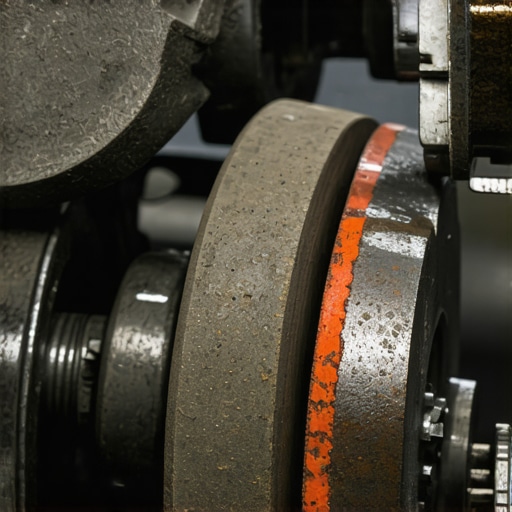
Maintaining your vehicle’s performance over time demands not only knowledge but also the right tools. Investing in high-quality equipment can save you money, time, and frustration in the long run. One vital tool I recommend is a digital multimeter. It’s indispensable for diagnosing electrical issues such as faulty sensors or bad connections. I personally rely on the Fluke 115 True RMS multimeter because of its durability and precise readings, which are crucial when troubleshooting complex systems.
How do I maintain my diagnostic tools for longevity?
Regular calibration and proper storage extend the lifespan of your diagnostic devices. Keep your multimeter’s probes clean and check for calibration drift annually using a reference voltage. Additionally, maintaining a clean, organized toolkit with essential items like a flashlight, flash rust remover, and a set of quality screwdrivers ensures you’re ready for any repair scenario. Beyond basic tools, investing in a comprehensive car diagnostic scanner, such as the Autel MaxiCOM, can help you quickly interpret error codes and understand sensor readings without unnecessary visits to the mechanic. These scanners often come with software updates, which are crucial as vehicle technology advances rapidly. Looking ahead, the trend points toward integrated diagnostic systems that connect directly to your smartphone via Bluetooth, making real-time diagnostics even more accessible. To keep everything working smoothly, schedule weekly check-ups of your tools and replace batteries or worn-out probes promptly, ensuring reliable readings when troubleshooting complex issues. For instance, regularly verifying the accuracy of your multimeter helps detect subtle electrical problems before they escalate. So, I encourage you to test your multimeter against a known voltage source this weekend—it’s a simple step that can prevent hours of illusory troubleshooting later. Also, consider exploring our guide on auto repair hacks to make your maintenance routine more effective. A well-equipped toolkit is the foundation of consistent, reliable repairs that keep your vehicle performing optimally for years to come.
Little Secrets That Changed My Approach to Auto Repairs
One of the most valuable lessons I learned is that patience and attention to detail often beat fancy tools. Early on, I believed that high-tech diagnostic equipment was the only way to find elusive leaks, but I realized that combining simple techniques—like inspecting hoses visually and monitoring pressure drops—can be surprisingly effective. Trusting my instincts and understanding vehicle behavior led me to identify issues others might overlook, saving time and money.
Another insight I gained is that internal leaks, such as those into the heater core or engine, can silently jeopardize your engine’s health. It’s easy to dismiss a slightly low coolant level, but digging deeper and performing dye tests or smoke inspections revealed the true scope of hidden damages. This experience taught me that quick fixes rarely solve foundational problems, emphasizing the importance of thorough diagnosis.
Lastly, I realized that regular maintenance and monitoring are your best defenses against sudden failures. Keeping detailed records of coolant levels, temperatures, and system pressures helps anticipate problems before they escalate. Small proactive steps combined with knowledge can turn you from a casual car owner into a confident DIY enthusiast.
Tools and Resources That Keep Me Ahead of the Curve
For anyone serious about vehicle diagnostics and auto repair, a high-quality radiator pressure tester is indispensable. I personally rely on the top auto repair tips for extending vehicle lifespan—it’s packed with insights on systematic troubleshooting and preventive care. Additionally, a UV dye kit has saved me hours of guessing when tracking internal leaks; products like those from Liqui Moly are reliable and easy to use.
Finding credible information is crucial, so I also turn to trusted guides on decoding vehicle diagnostics and auto repair forums. These resources complement hands-on experience, helping me understand complex symptoms and avoid costly mistakes.
Investing in a good smoke tester has been a game-changer for locating tiny cracks or leaks in hard-to-reach places. It might seem like a splurge initially, but the payoff in accuracy and confidence is well worth it. Moreover, routine checks are part of my maintenance ritual—simple habits that ensure my vehicle stays reliable in the long run.
Keep Moving Forward, One Repair at a Time
Remember, auto repair isn’t about perfection but progress. Every troubleshooting session gives you a deeper understanding of your vehicle’s inner workings and builds your confidence. Whether you’re tackling a sneaky coolant leak or maintaining your oil change routine, each challenge is an opportunity to learn and grow.
Don’t be discouraged by the complexity; instead, approach each issue as a puzzle waiting to be solved. With the right knowledge, tools, and a curious mindset, you’ll find yourself diagnosing problems faster and fixing them more efficiently. Ready to dive deeper? Check out our auto repair hacks to get started on smarter vehicle care. Your car—and your peace of mind—will thank you.