
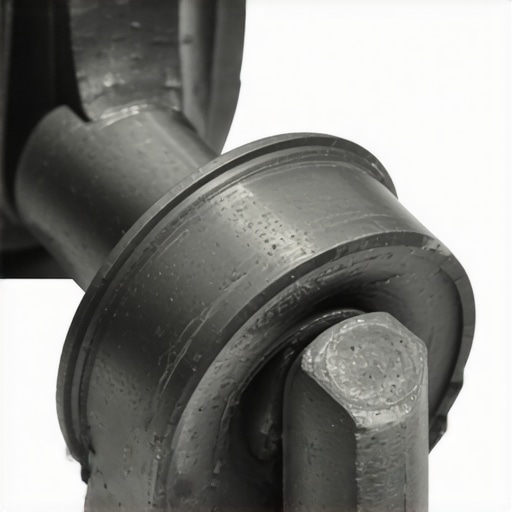
I remember the exact moment I realized my trusty old car was showing its age—not through rust or squeaks, but through the way it handled the road. One day, cruising over a pothole, I felt a dull thud and a vague steering wobble that hadn’t been there before. That simple bump revealed a lot about my suspension’s health, specifically the dreaded worn-out bushing. It was a lightbulb moment for me—those tiny components, often overlooked, play a big role in how my car feels and drives.
If you’re like me, invested in keeping your vehicle smooth and reliable, then understanding suspension bushings is crucial. Today, I promise to guide you through recognizing the early signs of bushing wear and what you can do to restore that fresh ride—saving you from premature replacements and costly repairs.
Why Worn Suspension Bushings Are the Hidden Culprits Behind Old Car Feelings
Suspension bushings are small rubber or polyurethane components that cushion and absorb shocks between various parts of your suspension system. Over time, these bushings can deteriorate, crack, or become loose, leading to a noticeable decline in ride comfort and handling. What’s tricky is that these symptoms often mimic other issues, making it tempting to blame other parts first.
Initially, worn bushings might cause your steering to feel loose or vague. You may notice uneven tire wear, increased road noise, or a bouncy ride after hitting bumps. If neglected, this wear can escalate, affecting steering precision and even safety—a true silent saboteur. Many overlook these tiny parts, assuming suspension problems are always big and costly to fix. But, in my experience, replacing bushings early can significantly improve your driving experience and extend the lifespan of other components.
For example, during my own maintenance journey, I made a mistake early on—ignoring subtle signs and delaying inspection. That small oversight led to more uneven tire wear and even damage to nearby suspension parts. I wish I had addressed the worn bushings sooner, perhaps by consulting the insightful content found [here](https://repairmycarpro.com/auto-repair-hacks-save-money-without-sacrificing-quality), which emphasizes proactive auto care.
Are you noticing your car feels more sluggish, or that steering feels less responsive than it used to? If so, it might be time to check those suspension bushings. Don’t let small problems turn into expensive repairs. In the upcoming sections, I’ll walk you through how to identify worn bushings and get your vehicle back to that like-new feeling—without breaking the bank.
Start with a Visual Inspection
Lift your vehicle using hydraulic jacks and secure it with jack stands. Wear gloves and safety goggles for protection. Examine the suspension components closely, focusing on rubber bushings located at control arms, sway bars, and shock mounts.
Look for Cracks, Tears, or Deformation
Inspect each bushing for visible damage like cracks, splitting, or deformation. If you notice these signs, it’s a clear indicator they need replacement. Remember, even minor cracks can worsen under driving stress.
Test for Excessive Play
Using a pry bar or old screwdriver, gently apply pressure to the suspension arms near the bushings. If there is noticeable movement or clunking sounds, the bushings are probably worn out. During my last DIY session, I used a wooden block to hold the control arm steady and a pry bar to check for movement—what a difference it made in diagnosing the issue.
Listen for Unusual Noises or Handling Issues
Take your car for a slow test drive over bumps and rough roads. Pay attention to clunks, squeaks, or excessive vibrations. My experience with a loose bushing reminded me of how it felt like driving with a wobbly wheel—an unmistakable sign that immediate action was needed.
Use Vehicle Diagnostics Tools
Connect a scanner or diagnostic app to your vehicle to check for suspension sensor errors. Advanced diagnostics can reveal subtle issues invisible to the naked eye. For detailed methods, visit decoding vehicle diagnostics.
Remove and Replace Bushings
Once confirmed, begin the removal process:
- Loosen and remove the bolts holding the suspension component.
- Use a bushing removal tool or a hydraulic press to extract the worn bushing. If you don’t have the right tools, a vice and some patience can suffice—just be cautious not to damage surrounding parts.
- Clean the mounting area thoroughly before pressing in the new bushings. Applying a little lubricant will ease installation, but ensure it’s compatible with rubber or polyurethane as needed.
For a detailed walkthrough, explore auto repair hacks that provide step-by-step guidance.
Reassemble and Test Drive
After installing new bushings, tighten all bolts to manufacturer specifications. Lower the vehicle and perform a test drive, paying close attention to handling and noise levels. This practical approach ensures you restore optimal suspension performance, improving safety and ride comfort.
Maintain Regular Checks
Implement routine inspections every 10,000 miles or after rough drives. Early detection of bushing wear can save you from costly repairs later. Remember, proactive maintenance keeps your vehicle running smoothly and extends its lifespan.
 Many car owners approach maintenance with a set of myths that can lead to costly mistakes. Contrary to popular belief, not all auto repairs require the dealer or a technician—advanced DIY techniques can be effective if you understand the nuances. For instance, many assume that regular oil changes are just about changing the filter, but recent innovations reveal that using synthetic oils or staying on top of oil analyses can significantly extend engine life. It’s a misconception that brake replacement is always complex; in reality, understanding the specifics of brake system components can prevent unnecessary overspending.
Are Modern Vehicle Diagnostics a Worthwhile Investment for the DIY Enthusiast?
Many believe diagnostics are solely for professionals, but with affordable scanners and apps, knowledgeable owners can often pinpoint issues early, avoiding emergency repairs. Experts like those behind vehicle diagnostics emphasize that understanding your car’s signals—such as warning lights or subtle driving changes—can prevent breakdowns.
One common trap is trusting outdated advice or over-relying on visual cues. For example, a worn belt might not crack immediately, but advanced testing can reveal impending failure before symptoms become obvious. Similarly, many overlook the importance of proper fluid analysis, which can uncover issues with cooling systems or transmissions long before a leak appears.
Misconceptions about routine maintenance can also lead to neglecting essential components. For example, some think that changing brake pads negates the need to check rotors or calipers, but underlying issues can cause premature wear or failure. Regularly using data-driven diagnostic tools and understanding the nuanced signs of wear enables smarter maintenance decisions.
Let’s challenge the idea that auto repair is always expensive and complicated. With the right knowledge, tools, and approach, you can detect and address many issues early, saving money and extending your vehicle’s lifespan. Remember, proactive care is key—don’t wait for a breakdown to get informed. Have you ever fallen into this trap? Let me know in the comments.Proper vehicle maintenance isn’t just about following schedules; it’s about equipping yourself with the right tools and techniques to ensure longevity and safety. One of my go-to investments is a quality automotive diagnostic scanner, like the Autel MaxiScan MS300. It’s affordable yet provides comprehensive readouts of error codes, enabling me to catch issues early. Connecting it to my vehicle and deciphering the codes through trusted guides helps me identify potential problems before they escalate, saving money and stress. For more in-depth diagnostics, I rely on online platforms such as Vehicle Diagnostics Explained. Regularly using these tools has improved my maintenance routine significantly. Additionally, I maintain a dedicated shop toolkit with socket sets, a torque wrench, and a breaker bar, which I use to handle routine repairs like replacing brake pads or bushings. I also keep a portable hydraulic press for pressing out bearings or bushings—a game-changer for DIY projects. Predicting future trends, I believe that vehicle diagnostic technology will become even more integrated with mobile apps, providing real-time alerts and maintenance forecasts. This connectivity can revolutionize how we care for our cars, making proactive maintenance more accessible. How do I maintain vehicle diagnostics over time? I recommend scheduling quarterly checks with your scanner and updating your diagnostic software regularly to ensure compatibility with new models. This proactive approach allows you to stay ahead of potential issues. If you’re interested in improving your maintenance game, try integrating a Bluetooth-enabled scanner into your routine, and see how early detections can save you costly repairs. Remember, the key is consistency and knowledge—tools like the auto repair hacks guide can further streamline your DIY efforts.
What I Wish I Knew About Small Parts and Big Impact
One of the most eye-opening lessons in my auto repair experience was realizing how crucial tiny components like suspension bushings truly are. Early on, I believed that only major parts needed attention, but dealing with worn bushings taught me that overlooked details can drastically affect vehicle performance and safety. That lightbulb moment made me more attentive to my car’s subtle signals, transforming my approach to maintenance.
Trust Your Instincts—And Your Tools
Using diagnostic scanners and visual inspections consistently revealed issues long before symptoms worsened. Relying on technology and careful observation helped me prevent costly repairs, emphasizing that proactive monitoring pays off. My advice? Invest in reliable tools and listen to your vehicle’s whispers—don’t wait for a breakdown to act.
Embrace the Learning Curve and Grow
Every repair—even the challenging ones—became an opportunity to learn. The process of replacing bushings or diagnosing faults boosted my confidence and understanding. Remember, every mechanic started somewhere; patience and curiosity are your best companions on this journey. Engage with online resources and communities to accelerate your expertise.
Curated Gear for the Do-It-Yourself Enthusiast
- Hydraulic Bushing Press: Essential for pressing out and installing bushings smoothly. I trust it because it saves time and prevents damage.
- Diagnostic Scanner: Affordable models like the Autel MaxiScan MS300 help catch errors early and guide repairs. It’s a game-changer for DIY diagnostics.
- Comprehensive Toolkit: From socket sets to torque wrenches, having quality tools ensures proper repairs and peace of mind. Regular maintenance becomes manageable with the right gear.
- Repair Guides and Forums: Websites like auto repair hacks provide step-by-step advice that demystifies complex tasks. Learning from others’ experiences accelerates your growth.
Your Next Move Toward Confident Car Care
Taking control of your vehicle maintenance isn’t just cost-effective—it’s empowering. The more you learn, the better you understand your car’s unique needs and signals. Start with small repairs, invest in quality tools, and tap into trusted resources. Remember, every minor fix enhances safety and prolongs your car’s lifespan. Have you ever caught an issue early thanks to DIY diagnostics? Share your story below and inspire others to take charge of their auto care!