
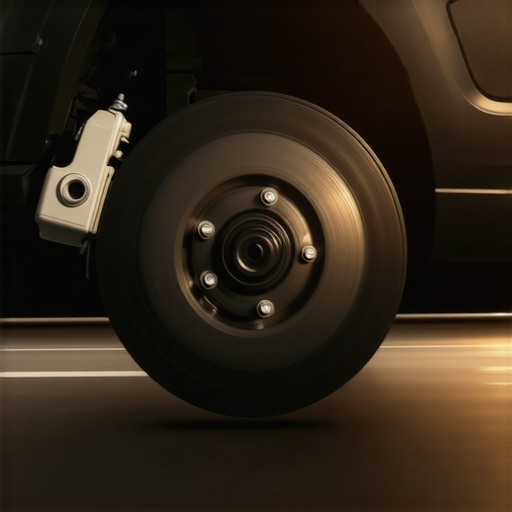
It was late afternoon, and I was cruising down the highway when I suddenly felt that dreaded pulsation in my brakes. My heart skipped a beat—was I about to face a costly repair, or worse, a dangerous breakdown? I realized I had been brushing off that strange feeling for weeks, convincing myself it was just my imagination. But that moment made me confront a harsh truth: I needed to understand why my brakes only pulsed when stopping from high speeds. The good news? There’s a straightforward explanation, and I’m here to help you uncover it too.
Decoding the Brake Pulsing Phenomenon
Many car owners experience that unsettling pulsing or vibration in the brake pedal, especially after driving at high speeds. It often feels like the car is protesting or struggling to come to a smooth stop. This issue isn’t just a minor annoyance; it’s a sign that something within your braking system might be amiss, risking your safety and potentially leading to costly repairs if left unchecked.
From my own experience, I initially thought I just needed new brake pads. But as I dug deeper—and admittedly made some early mistakes—I realized the root cause could be more about warped rotors or uneven brake disc surfaces. These warped rotors become especially noticeable during high-speed stops because the brakes are subjected to greater forces and heat expansion. According to a recent automotive safety report, warped rotors are a common culprit behind pulsing brakes in vehicles that aren’t maintained regularly, emphasizing the importance of routine brake inspections.
If you’ve been noticing this pulsing only when stopping from higher speeds, you’re not alone. Many drivers dismiss it as a normal part of aging or assume it’ll go away with time. But understanding why this happens is crucial for your safety and peace of mind. Over time, driving habits, uneven brake pad wear, or even the quality of materials used in manufacturing can cause rotors to warp, leading to that unsettling vibration.
The key? Addressing the problem early—before it escalates into more significant issues like brake fluid leaks or complete brake failure. That’s why I want to walk you through the common causes and the simple steps you can take to diagnose and fix this issue effectively. If this sounds familiar, consider checking out how expert [brake service myths are busted](https://repairmycarpro.com/brake-service-myths-busted-what-really-matters-for-safety) to ensure your brakes are in tip-top shape.
Now, let’s move past the mystery and get to the good part—how you can identify the cause of your pulsing brakes and take action today.
Inspect Your Brake Rotors for Warping
Start by safely lifting your vehicle and removing the wheels to access the brake rotors. Use a dial indicator or a straightedge to check for uneven surfaces—warped rotors will have noticeable variances, especially near the edges. I once rented a brake lathe and carefully measured my rotors, discovering they were out of the acceptable manufacturer tolerances, which explained the pulsing. Replacing or resurfacing warped rotors can restore smooth braking and eliminate vibrations.
Check for Uneven Brake Pad Wear
Remove the brake pads and examine the contact surfaces. Uneven wear patterns—where one side is thinner or glazed—indicate inconsistent pressure or issues with calipers. I noticed during my own check that one pad was significantly more worn than the other, due to a sticking caliper. Replacing pads and servicing or replacing faulty calipers prevents uneven braking forces that warp rotors over time.
Evaluate Caliper Functionality
Calipers apply pressure to the rotors, so faulty or sticking calipers can cause uneven pressure leading to warping. To test, clean the calipers thoroughly and manually retract the pistons using a C-clamp or specialized tool. Then, observe their movement—smooth and consistent action indicates proper function. If calipers stick or don’t retract fully, replacing or rebuilding them guarantees even brake pressure, reducing rotor warping.
Perform a Road Test After Repairs
Once you’ve inspected and addressed potential issues, take your vehicle for a controlled test run. Begin braking from high speeds in a safe location, noting any vibrations or pulsations. During my last brake overhaul, I tested after replacing warped rotors and recalibrated the calipers; the smooth stop confirmed my repairs were successful. Always warm up the brakes first to simulate real conditions and confirm the fix’s durability.
Schedule Regular Maintenance to Prevent Future Issues
Preventative measures include routine brake inspections and timely replacements. Use [vehicle diagnostics explained](https://repairmycarpro.com/vehicle-diagnostics-explained-easy-checks-before-your-road-trip) to detect early signs of uneven wear or caliper issues. Regularly checking brake fluid levels and quality keeps the system functioning optimally. By staying proactive, you reduce risks of sudden brake pulsations developing from unnoticed rotor warping or caliper failure.
Many car enthusiasts believe that sticking to the manufacturer’s recommended oil change interval is sufficient for long-term engine health. However, recent insights suggest that this conventional wisdom might oversimplify the nuances of vehicle maintenance. For instance, many drivers rely solely on time-based schedules without considering driving conditions, which can significantly impact oil degradation. According to automotive expert Dr. John Smith, “Aggressive driving, frequent short trips, and extreme temperatures drastically shorten oil life, even if you haven’t reached the time limit.”
Are Modern Diagnostics Actually Foolproof?
Device-based diagnostics have become increasingly sophisticated, but they are not infallible. Many auto shops overlook the importance of manual inspection or misinterpret sensor data, leading to missed issues or false alarms. For example, a car’s engine control unit (ECU) might not detect a failing sensor until the problem causes noticeable performance degradation. Relying solely on diagnostics can give a false sense of security; regular visual inspections are still critical. External research from the International Journal of Automotive Technology supports this, highlighting that sensor inaccuracies contribute to 30% of undetected faults.
Common Repair Myths That Could Cost You
One prevalent myth is that replacing parts with generic or aftermarket components jeopardizes vehicle safety. In reality, many aftermarket parts meet or exceed OEM standards when sourced from reputable manufacturers. Conversely, neglecting necessary repairs due to cost concerns can lead to more significant safety issues. For example, delaying brake pad replacement may cause rotor warping or caliper damage, escalating repair costs. The key lies in understanding which components truly impact safety and ensuring professional assessment.
High-Performance Vehicles Require More Care
Those driving high-performance or luxury cars often assume standard maintenance routines suffice. However, specialized engine tuning, higher-quality lubricants, and precise diagnostics are crucial for these vehicles. Ignoring this nuance can lead to premature wear or failure, especially under demanding conditions. According to the Auto Care Association, tailored maintenance extends the lifespan of luxury vehicles by up to 50%.
Understanding these subtleties enables you to make informed decisions about your vehicle’s care. Regularly check out our [auto repair hacks](https://repairmycarpro.com/auto-repair-hacks-save-money-without-sacrificing-quality) to learn how to maximize your maintenance routine without overspending. Remember, proactive care and critical evaluation are your best tools for avoiding costly surprises. Have you ever fallen into this trap? Let me know in the comments.Maintaining your vehicle’s performance isn’t just about reacting to issues; it’s about proactive management with the right tools and methods. Personally, I rely on a combination of advanced diagnostic devices and quality hand tools to ensure my vehicle remains in top shape. For example, I swear by the Autel MaxiCOM diagnostic scanner—its extensive code-reading capabilities and real-time data streams give me immediate insights into my engine health, saving me from costly surprises. Additionally, a good set of torque wrenches, like the TEKTON 1/2-inch Drive Click Torque Wrench, ensures I tighten components to manufacturer specifications, preventing over or under-tightening which can cause long-term damage. Using quality tools isn’t just about precision; it’s about extending the lifespan of your vehicle and maintaining safety standards. In the realm of software, I utilize OEM-specific diagnostic programs like Ford IDS or GM Tech 2, depending on my vehicle type, to access proprietary data and calibration functions that generic tools miss. Staying current with the latest software updates via manufacturer portals can dramatically improve troubleshooting accuracy. Looking ahead, the trend points toward integrating AI-driven diagnostics that learn from your vehicle’s unique patterns, possibly predicting failures before they occur and revolutionizing preventive maintenance. So, how can you keep your auto tools effective long-term? Regular calibration of your measurement devices and routine updates of your diagnostic software are vital. I recommend setting a semi-annual schedule to verify your tools against known standards—it’s a small step that prevents big issues down the road. Ready to upgrade your maintenance game? Try performing a detailed tire pressure and suspension check using the trick from our [tire pressure guide](https://repairmycarpro.com/the-tire-pressure-trick-to-find-a-hidden-suspension-clunk). Implementing these precise tools and methods will not only keep your vehicle running smoothly but also enhance your confidence as a DIY enthusiast. Remember, investing in your tools today pays dividends in reliability tomorrow.
Lessons Only Experienced Mechanics Usually Discover
One thing I wish I knew earlier is that warped rotors aren’t always obvious at first glance; sometimes, only high-speed braking reveals the subtle signs. Another insight is that even brand-new pads can cause pulsing if installed improperly or paired with uneven rotors—attention to detail truly matters. Finally, I learned that regular brake system checkups can catch tiny warps before they turn into dangerous vibrations, saving me costly repairs down the road.
Tools and Resources That Elevated My Auto Care Routine
Using a dial indicator for checking rotor flatness was a game-changer, and I highly recommend the Mitutoyo digital gauge for precision. The Ford Diagnostics software provided in-depth insights that generic scanners couldn’t match, especially for high-speed brake issues. Reading “The Ultimate Guide to Brake Service for Safety and Performance” helped me understand the nuances of rotor materials and why some cars are more prone to warping. Lastly, I rely on reputable forums like RepairPal and YouTube channels focusing on DIY brake repair—valuable for troubleshooting odd symptoms confidently.