

I remember the moment vividly. I was cruising over a gentle bump in my neighborhood street when suddenly, a loud, unsettling clunk echoed from beneath my feet. My heart sank. At first, I thought I’d hit a pothole too hard or maybe knocked something loose. But as I kept driving, that unsettling sound persisted, creeping into my mind and making me wonder—what’s really going on under my floorboards? That lightbulb moment opened my eyes to how common and yet how sneaky this problem can be.
Spotting the Hidden Culprit: Why Your Car’s Floorboard Clunks Can Signal Trouble
That seemingly minor noise is often a sign of worn suspension components, loose parts, or even more serious issues lurking within your vehicle. And here’s the kicker—many drivers dismiss these sounds as trivial or just part of aging. But neglecting them can lead to costly repairs down the line or even compromise your safety. Over years of troubleshooting and learning from my own mishaps, I’ve discovered that addressing this noise early can save you a lot of stress and money.
Is a floorboard clunk really worth the worry?
My early mistake was dismissing that first mysterious noise as insignificant. I thought, “It’s probably nothing.” But that was a mistake. The more I ignored it, the worse the issue became—leading to vibrations, uneven tire wear, and even steering problems. Trust me, a little noise today can be a big headache tomorrow if you don’t take it seriously. Curious about how to accurately diagnose such issues? Check out vehicle diagnostics and learn what your car might be trying to tell you.
Have you ever faced a similar clunk that made you second-guess your car’s health? If so, you’re not alone. But don’t worry—I’m going to guide you through the root causes and the simple steps you can take to get to the bottom of that mystery noise. Ready to ensure your vehicle keeps running smoothly and safely? Let’s dive into how you can identify and fix that sneaky floorboard clunk before it evolves into something worse.
Check Suspension Components
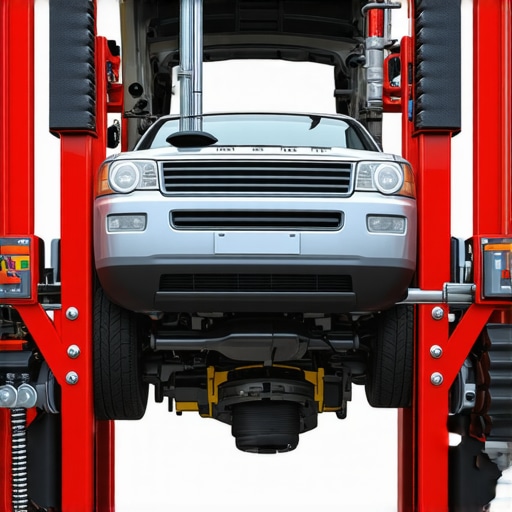
Start by inspecting your suspension, especially the struts and shocks, for signs of wear or damage. Use a floor jack to lift the car safely, then manually test each suspension part for excessive play or leaks. During my last fix, I discovered a torn shock absorber that was causing the noise—replacing it immediately eliminated the clunk and improved ride quality. For detailed inspection techniques, see advanced vehicle diagnostics.
Secure Loose Parts
Next, examine beneath the vehicle for loose or missing bolts, brackets, or panels. Look for rattling or movement when pressing on individual parts—these are common culprits. I once found a loose heat shield that was vibrating against the floor, producing a harsh clunk. Tightening or replacing that part restored quietness. Remember, vibration often signals loose components, so double-check with proper tools or expert help.
Inspect Bushings and Mounts
Worn or damaged bushings can also cause floor noises. Locate the bushings on control arms, sway bars, or engine mounts. Using a pry bar, gently move these parts to see if any have excessive play. I replaced a worn engine mount after noticing engine movement at idle, which also reduced the clunk. For precise diagnosis, consider decoding vehicle diagnostics tools.
Test the Driveshaft and CV Joints
For front-wheel or all-wheel drives, inspect the driveshaft and CV joints for tears or wear. While on the lift, rotate and shake CV joints to detect looseness. I once found a torn CV boot causing the joint to rattle, which I replaced to restore smooth operation. Remember, CV issues often manifest as knocking or clunking during acceleration or turns.
Perform a Road Test and Listen
After visual inspections and repairs, do a careful road test. Pay attention to when the noise appears—during acceleration, deceleration, or bumps. Use your ears and throttle adjustments to replicate conditions. During my own test drive, I discovered the noise intensified when going over uneven pavement, pointing me towards a loose control arm. Document these observations to inform future diagnostics or professional evaluations.
Confirm the Fix
Finally, re-inspect the repaired areas and take a second drive. Ensure that all bolts are tight and no new rattles emerge. If the sound persists, revisit earlier steps or consult a professional. Regular maintenance and inspections can prevent these issues from escalating, keeping your vehicle safe and quiet on the road.
 Many drivers operate under myths that can lead to costly mistakes or overlooked issues. For instance, there’s a widespread belief that changing your oil too frequently is unnecessary, but advanced studies show that regular oil changes optimized by newer technologies can extend your engine’s lifespan significantly. A common trap is thinking all auto repairs are equally urgent—however, neglecting subtle signs like a slow coolant leak can cause severe engine damage over time. When it comes to vehicle diagnostics, some assume that simple dashboard lights tell the full story; in reality, sophisticated diagnostic tools can reveal hidden issues that are not immediately visible, preventing breakdowns and expensive repairs. For example, relying solely on visual inspection might miss microscopic cracks in suspension components or subtle wiring faults, which are better detected with machine diagnostics as explained in vehicle diagnostics. Advanced diagnostics often uncover issues long before traditional checks can, saving you money and stress. Recognizing these nuances—and avoiding common pitfalls—can dramatically improve your vehicle’s performance and longevity. Have you ever fallen into this trap? Let me know in the comments.Maintaining your vehicle’s optimal performance requires the right tools and a strategic approach. From diagnosing hidden issues to performing routine service, investing in quality equipment can save you time and money in the long run. One of my go-to devices is an advanced OBD-II scanner, like the Autel MaxiCOM. Unlike basic scanners, it offers in-depth diagnostics, including read and erase codes, live data streaming, and bi-directional controls, which allow me to actively communicate with the vehicle’s systems. This tool has been invaluable for identifying obscure issues that a simple dashboard check wouldn’t reveal, saving me trips to the mechanic.
How do I maintain vehicle diagnostics over time?
Regularly updating your scanner’s firmware ensures compatibility with the latest vehicle models and software protocols. Additionally, establishing a routine to interpret live data streams—such as fuel trim, sensor voltages, and actuator responses—helps catch problems early, before they escalate. Pairing diagnostics with a quality set of hand tools, like a torque wrench and electronic multimeter, allows me to verify repair quality on the spot. For ongoing maintenance, I also rely on vehicle-specific repair manuals, which you can find through trusted sources or manufacturer portals. These manuals provide deep insight into component tolerances and troubleshooting steps, empowering you to handle more repairs yourself effectively. Looking ahead, the trend is moving toward connected car diagnostics, where cloud-based data and AI-powered analysis will make vehicle maintenance even more accessible. By embracing these advancements now, you lay the groundwork for effortless long-term upkeep. Pro tip: try integrating a diagnostic scan during routine oil changes, using insights from oil change innovations. This proactive step can reveal pending issues early, preventing costly repairs down the line. Whether you’re a DIY enthusiast or a professional mechanic, having a trusted set of diagnostic and repair tools tailored to your needs is essential. Invest in quality equipment, stay updated with the latest tech, and set a maintenance schedule that includes regular diagnostics. This approach ensures your vehicle remains reliable, safe, and efficient for years to come.
The Hard Lessons Growing Pains of Auto Repair Knowledge
One of the most profound realizations I’ve had is that many seemingly minor car issues, like a faint clunk, are actually gateways to understanding your vehicle on a deeper level. I once ignored a soft vibration, dismissing it as a normal part of aging, only to find later that it was a sign of a failing control arm—costly to fix and dangerous to ignore. The true lesson lies in recognizing that small noises often carry critical information about the health of your car, and tuning into these signals can save you both money and peace of mind.
What Steering Clear of My Auto Repair Blind Spots Taught Me
Early in my journey, I underestimated the importance of routine suspension inspections. I thought that if my car drove smoothly, everything was fine. That misconception nearly led me to a costly repair when a loose bolt caused a dangerous wobble. Now, regular diagnostics and inspections are my go-to strategies. Trust me—keeping a proactive mindset transforms car maintenance from reactive chaos to confident control. For insights on how diagnostics prevent breakdowns, explore advanced vehicle diagnostics.
Turning Complex Troubleshooting into Simple Wins
One of the biggest shifts in my repair approach was learning to break down complex problems into manageable steps. Instead of guessing, I started with visual inspections, then used diagnostic tools to confirm. This methodical approach not only decreased my repair time but also enhanced my confidence. If you’re eager to learn more about interpreting diagnostic data, I recommend reviewing vehicle diagnostics—it’s a game-changer.
Resources That Elevated My Auto Repair Skillset
Over the years, I’ve relied on several trusted tools and sources to improve my car repair knowledge. A high-quality OBD-II scanner like the Autel MaxiCOM has been indispensable for quick, accurate diagnostics. Pairing it with expert-recommended manuals from trusted manufacturers deepens my understanding of specific models. Additionally, online community forums and instructional videos have often provided quick solutions to tricky problems. Investing in reliable tools and continuous learning ultimately makes you more self-reliant and saves money in the long run.
Taking Control of Your Car’s Future Starts Today
Remember, every little clunk is an opportunity to learn and improve. Embrace the process of diagnosing and fixing your vehicle—it’s empowering and can extend your car’s life significantly. As you build your skills, you’ll find that confidence and knowledge become your best allies on the road. The more proactive you are about understanding your vehicle, the safer and more enjoyable your driving experience will be.
What small vehicle symptom caught you off guard and led to a valuable lesson? Share your story below—I’d love to hear how you turned a problem into an opportunity to grow as a car owner.
,