
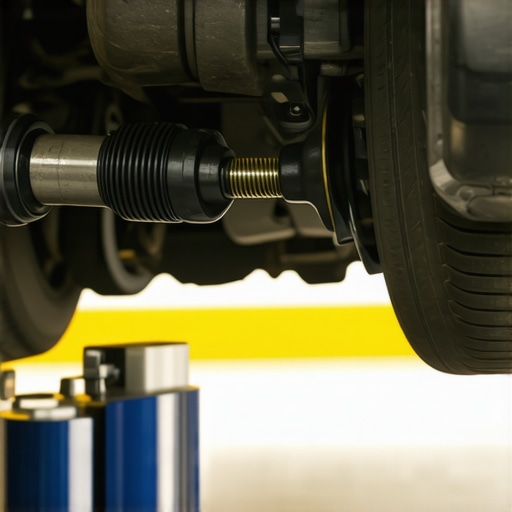
(Imagine this: You’re cruising down the road, feeling pretty good, until suddenly, your steering feels a little loose, and there’s this weird clunking sound every time you hit a bump. Yep, I’ve been there, and trust me, it’s no fun wondering if your car’s suspension is about to give out.)
Feeling That Wobble: Why Your Sway Bar Links Could Be the Culprit
I’ve found that many drivers overlook the importance of their sway bar links—those tiny but mighty components that keep your vehicle stable during turns. When they wear out or break, you might notice a pronounced body roll or a clunking noise. The worst part? A lot of folks ignore these signs until the problem gets worse—and more expensive to fix. But the good news is, you don’t need to be a mechanic to get a handle on whether your sway bar links are shot.
Today, I’ll walk you through the telltale signs, how to check them yourself, and why catching these issues early can save you heaps of money and discomfort on the road. Trust me, it’s worth peering under your car—your safety depends on it. And hey, if you’ve ever had that moment where your car just felt off and you weren’t sure what was wrong—believe me, I’ve been there, and I’ll help you avoid the same mistake I made early on.
Is inspecting sway bar links actually worth the effort?
Early on, I thought squeaks and rattles were just part of an aging car. Turns out, skipping inspections can lead to damage to other suspension components, which might lead to a hefty repair. I learned this the hard way when I overlooked a small noise and ended up replacing my entire sway bar—talk about a costly lesson! You can read more about why regular auto repairs matter for safety.
Now, I make sure to perform simple checks myself and catch problems early. Would you like to learn how to spot the signs of a bad sway bar link before things get serious? Stay tuned, because I’ll be sharing proven tips to help you diagnose this common but often misunderstood issue right in your driveway.
.
Lift and Secure Your Vehicle Safely
Start by parking your car on a level surface, engaging the parking brake, and using wheel chocks for extra safety. Use a hydraulic jack and jack stands to lift the side of the vehicle you plan to inspect. Make sure the car is stable before crawling underneath. This initial step is crucial to prevent accidents, similar to how you wouldn’t attempt an oil change without proper support. I remember my first attempt; I didn’t secure the car well, and it shifted unexpectedly. Lesson learned: safety first and double-check your setup.
Locate the Sway Bar and Its Links
Find the sway bar, which is the thick metal bar running across the suspension. The sway bar links connect this bar to your suspension components—look for the small, ball-jointed or bushing-ended components attached to the sway bar and control arms. If you’re unfamiliar, tracing the bar from the wheels towards the vehicle’s center helps. I once spent 10 minutes searching before realizing I was looking at the wrong side—taking your time here saves trouble later. Proper identification ensures accurate inspection and prevents unnecessary part replacements.
Inspect the Links for Damage and Wear
Check for cracks, tears, or excessive rust on the links. Wiggle the joints—if there’s any play or looseness, that’s a sign of worn bushings or ball joints. Use your hands or a pry bar gently to move the link—compared to feeling a loose screw in furniture, a loose sway bar link causes noticeable wobble. I recall testing my links and feeling a weird clunk—immediately, I knew it was time for a replacement. Being thorough here helps prevent suspension failure, which can compromise your safety and cause further damage.
Examine the Mountings and Bushings
Pay attention to the rubber bushings or rubber insulators. Cracks, chunks missing, or brittle rubber indicate aging components. Replace these if you notice deterioration—these are often the first signs of impending failure, akin to cracking tires before a blowout. I once ignored small cracks, leading to a rattling noise that bothered me on every bump. Replacing damaged bushings restored my ride quality and peace of mind. Remember, the integrity of these small parts significantly affects your vehicle’s stability and handling.
Perform a Dynamic Test for Extra Confidence
If safe, gently bounce the vehicle or have a helper push down on the corner while you observe the sway bar links underneath. Look for movement or unusual noises—these clues often reveal issues not visible at rest. Think of it as a way to see how parts perform under stress, similar to checking for loose screws in a door hinge by opening and closing. I used this method when my car felt unstable after a pothole—tested and confirmed a worn link, which I replaced promptly.
Decide on Repairs or Replacements
If you detected any play, cracks, or excessive wear, replacing the sway bar links is straightforward. Generally, loosening the bolt and swapping the old link for a new one is enough—the process is similar to replacing a broken hinge on a cabinet door. Using quality parts, as suggested in auto repair hacks, ensures longevity. Always torque nuts and bolts to manufacturer specs to prevent future issues, just like setting the right tension on bike pedals.
Reassemble and Test Drive
After replacing worn or damaged components, reassemble everything carefully. Lower the vehicle, remove the chocks, and take it for a test drive. Pay attention to any unusual noises or handling issues—your test is the final validation, similar to how a brake service restores stopping power. My own test drive revealed a smoother ride and increased confidence during turns. Keep in mind, regular checks of these small but vital parts can save you from costly repairs and ensure your safety on every trip.
When it comes to vehicle diagnostics and routine maintenance, many enthusiasts and even seasoned mechanics can fall prey to common misconceptions that hinder effective repairs. One widespread myth is that a quick visual inspection is enough to diagnose complex problems. In reality, modern vehicles come equipped with intricate sensors and diagnostic systems that, if properly understood, can reveal underlying issues before they escalate. Relying solely on surface checks can lead to overlooking subtle signals, making advanced diagnostic tools or tests indispensable—something many overlook. Similarly, in the realm of oil changes, a prevalent mistake is assuming that frequency alone determines engine health. While changing oil regularly is essential, the quality of the oil and the type suited for your engine’s specific needs significantly impact longevity, as highlighted in this guide on oil change innovations. Many believe that more frequent oil changes always yield better results, but over lubricating can lead to deposit buildup or unnecessary costs.
When discussing brake service, a common misconception is that brake pads are the only wear items to watch. In truth, other components like rotors, calipers, and brake fluid quality also play critical roles in braking performance. Using subpar brake fluid can cause corrosion and reduced hydraulic efficiency—an often-overlooked aspect that can compromise safety, as detailed in tips for prolonging vehicle lifespan. Avoiding these additional inspection steps can lead to uneven brake wear or failure. Additionally, many think auto repairs are just about replacing parts; however, the underlying causes like misaligned systems, software glitches, or sensor malfunctions often go unnoticed unless advanced diagnostics are employed.
What about the myths surrounding vehicle diagnostics that could trip up even savvy car owners?
One significant trap is the assumption that check engine lights always indicate a need for urgent repair. In fact, many lights are triggered by minor or non-critical issues, such as a loose gas cap or sensor recalibration. Overreacting to these signals can lead to unnecessary repairs, waste of money, or dismissing actual problems. Conversely, ignoring the light can cause damage if the problem worsens—hence the importance of proper diagnostics, discussed in advanced diagnostics techniques that prevent costly breakdowns. A nuanced understanding of vehicle systems enables focused repairs, saving money and improving safety. Remember, precise diagnostics often reveal problems that aren’t visually obvious but manifest as performance issues or irregular sensor readings.
Have you ever fallen into this trap? Let me know in the comments. Recognizing these misconceptions and investing in proper diagnostics can truly change how you approach vehicle maintenance, ensuring safety and longevity. For more insights into effective auto repair strategies, visit essential repair strategies that can help you stay ahead of potential issues.
Equip Yourself with the Right Tools for Long-Term Success
Investing in quality tools is the foundation of effective vehicle maintenance. I personally rely on a calibrated torque wrench like the CRAFTSMAN Digital Torque Wrench because it ensures nuts and bolts are tightened to manufacturer specifications, preventing over-tightening or under-tightening issues that can lead to premature component failure. For diagnostics, I use an OBD-II scanner such as the BlueDriver Bluetooth Professional; it seamlessly connects to my smartphone, allowing me to read and clear error codes with precision, which is critical for timely repairs. Remember, affordable tools rarely offer the accuracy needed for safe long-term vehicle operation.
Beyond basic hand tools, having a reliable hydraulic engine hoist coupled with high-quality jack stands guarantees safety when performing oil changes or brake replacements. Safety is non-negotiable; I’ve learned this firsthand after a mishap that could have been avoided with proper equipment. Also, a dedicated multi-meter with insulation testing capabilities helps diagnose electrical issues, such as faulty sensors or corroded connections, quickly and accurately.
Predicting the Future of Vehicle Maintenance Tools
Advances in oil change technologies point towards smarter tools that incorporate AI to provide real-time feedback and predictive maintenance alerts. I think this trend will extend into diagnostic tools, making vehicle health monitoring more accessible and even more precise for the everyday owner, reducing dependence on professional garages for minor issues.
How do I keep my vehicle working smoothly over time?
Consistency is key. Regularly scheduled maintenance with the right tools, such as recalibrating the fuel injection system or inspecting diagnostics for road trips, helps catch problems early. Leveraging software like OBD-II diagnostic apps linked to your scanner allows for quick troubleshooting and ensures your vehicle operates at peak performance. For example, I use a lubrication gun with adjustable pressure to service suspension components accurately, extending their lifespan significantly.
To maintain optimal performance over time, I recommend a quarterly check of fluid levels, filters, and belts—using specialized tools like a vacuum gauge for the brake booster or a coolant refractometer for fluid quality. These tiny investments in tools and routine checks can prevent costly repairs and keep your car running reliably for years.
Make Vehicle Maintenance Simpler with Advanced Diagnostics
One practical trick is to perform a self-diagnostic scan if your check engine light comes on. A quality scanner can often pinpoint the exact fault code, saving time and money. For instance, I once used my scanner to identify a failing oxygen sensor early, avoiding a full exhaust system replacement. I challenge you to pick up a trustworthy OBD-II scanner today and see how it transforms your maintenance approach.
What I Wish I Knew Before Diving Into Auto Repairs
One of the most valuable lessons I’ve learned is that rushing into repairs without proper knowledge can lead to unnecessary expenses and even safety risks. Taking the time to understand your vehicle’s components, like sway bar links or brake systems, has saved me from costly mistakes and has empowered me to handle minor issues confidently. It’s tempting to trust the quick fixes, but true mastery comes from a combination of patience and continuous learning.
Another insight is the importance of trusting reliable sources and tools. I once relied solely on visual inspections, which misled me into overlooking deeper issues. Now, I make it a point to incorporate simple diagnostics and quality tools. This proactive approach ensures my vehicle remains in top shape and prevents small problems from snowballing into major repairs.
I’ve also realized that understanding the myths surrounding vehicle maintenance can shift your perspective. For instance, believing that more frequent oil changes always solve engine problems can lead to unnecessary costs. Instead, focusing on quality and tailored maintenance schedules—like those outlined in this guide on oil change technologies—yields better results and extends your vehicle’s lifespan.
Finally, embracing the idea that ongoing education transforms car care from a chore into an empowering routine. Whether it’s learning to perform a basic sway bar link inspection or interpreting diagnostic codes, each step builds confidence and deepens your connection to your vehicle. Remember, every skill you acquire not only saves money but also keeps you safer on the road.