
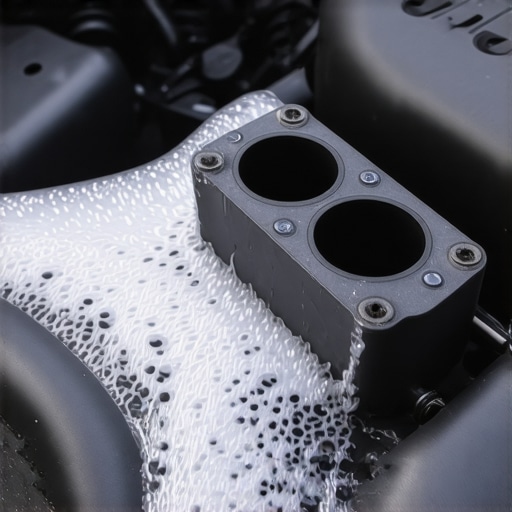
I remember the first time I noticed my power steering fluid foaming after a routine oil change. It was a chilly morning, and as I turned the steering wheel, I heard a faint whining noise. When I checked under the hood, I saw the fluid bubbling like a shaken soda. That lightbulb moment made me realize I was heading toward a costly repair if I didn’t act fast. Have you ever experienced that strange foam forming in your power steering fluid? It’s more common than you think, and ignoring it can lead to serious steering problems down the line.
The Hidden Problems Behind Foam in Power Steering Fluid
Foaming in your power steering fluid isn’t just an annoying sight—it’s a warning sign that something’s off in your vehicle’s lifeblood. The foam indicates the presence of air or contaminants mixing with the hydraulic fluid, which can compromise steering performance and damage system components. It’s essential to understand what causes this foaming so you can address it effectively. Early on, I made the mistake of ignoring minor foaming, assuming it was just a side effect of recent fluid replacement. That was a costly oversight, as the foam worsened and led to steering stiffness. To avoid such mishaps, I learned to pay attention to the signs and get ahead of the problem.
Is Foaming Power Steering Fluid Actually Worth the Hype?
Some might dismiss foam as trivial or consider it a normal short-term issue. But trust me, it’s not. Left unchecked, foam can cause air pockets that diminish hydraulic pressure, making steering heavy or unpredictable. According to experts, contaminated or aerated fluid can prematurely wear out pump seals and cause system failure. My early mistake was assuming that a quick top-up would solve everything and neglecting to check for leaks or air entry points. This oversight cost me time, money, and a bit of my sanity navigating difficult steering. If you’re curious whether this issue is affecting you, it’s worth inspecting your fluid and understanding how to troubleshoot the root causes. For more details on vehicle maintenance pitfalls, check out our guide on [auto repair hacks to save money](https://repairmycarpro.com/auto-repair-hacks-save-money-without-sacrificing-quality).
So, are you ready to uncover the real reasons behind foaming power steering fluid and learn how to fix it before it escalates? Let’s dive into the practical steps to restore your steering’s smoothness and keep your vehicle in top shape. Next, I’ll walk you through the essential checks and maintenance tips, so stay tuned!
.
Inspect and Check for Leaks or Air Entry Points
Start by examining your power steering system for leaks—look around hoses, the pump, and reservoir. I once noticed a small crack in my return hose, which was allowing air to seep in, causing foam. To find leaks quickly, clean the area first, then run the engine and observe for drips or bubbles. Tighten loose fittings and replace damaged hoses to prevent air from entering the system.
Drain Old Contaminated Fluid Carefully
Next, you’ll want to remove the contaminated fluid. Use a turkey baster or a syringe to extract as much fluid as possible from the reservoir. Then, disconnect the return line and drain the fluid into a suitable container. Reconnect the line securely afterward. This step ensures you eliminate foam-inducing contaminants and air pockets that have built up over time.
Flush the Power Steering System
Flushing clears out old fluid, debris, and any residual contaminants. Fill the reservoir with clean, recommended power steering fluid—consult your vehicle manual or a trusted source like our oil change guide for fluid specifications. Turn on your engine and cycle the steering from lock to lock several times to circulate the new fluid thoroughly. This process helps dislodge stubborn dirt and air trapped in the system.
Bleed the System to Remove Air Bubbles
Removing trapped air requires bleeding the pump. With the engine running, turn the steering wheel from left to right slowly, holding each position for a few seconds. Repeat this several times. I once did this with a helper and noticed the foam reducing significantly after a few cycles. Always keep the reservoir filled with fresh fluid during this process to prevent introducing more air.
Verify and Prevent Future Foam Formation
After bleeding, check the fluid level and top up if necessary. Observe the system for the next few days—any recurring foaming could indicate further leaks or a failing pump. Regularly inspecting hoses and fluid levels helps prevent foam from returning. Also, consider consulting a mechanic if foaming persists despite these steps, as components like the pump or reservoir might be faulty.
Implementing these steps physically eradicates foam-causing issues, restoring your steering’s feel and reliability. Remember, proper maintenance not only improves safety but also prolongs your vehicle’s lifespan. For more insights on vehicle care, visit our comprehensive brake service guide and keep your ride smooth and safe.
 Many car owners believe that regular oil changes, brake services, and diagnostics are straightforward routines, but beneath the surface lie common misconceptions that can lead to costly mistakes. For example, a widespread myth is that simply topping off fluids or ignoring warning lights won’t cause long-term damage. However, in my experience, neglecting these nuances often results in accelerated wear and unexpected breakdowns. Recognizing the subtle signs and understanding the deeper mechanics—like how a failing brake caliper affects pad wear—can save you money and improve safety.
One critical mistake is assuming that all brake pads are created equal or that using any brake fluid suffices. As detailed in our [brake service myths busting guide](https://repairmycarpro.com/brake-service-myths-busted-what-really-matters-for-safety), choosing the wrong type can cause corrosion and reduce braking efficiency. Similarly, many overlook that not all diagnostics tools are equally effective; using basic OBD-II scanners won’t reveal hidden issues like wiring faults or sensor malfunctions, which could be uncovered through advanced diagnostics. Regularly checking these can prevent major breakdowns.
For advanced readers, a common misconception is that vehicle codes always point directly to the problem, but codes are often symptoms, not causes. Knowing how to interpret diagnostic trouble codes accurately requires expertise, and misreading them might lead to unnecessary repairs or overlooking the root cause. Studies from the Vehicle Research Institute highlight that proper diagnostics can cut repair costs by up to 30% by preventing misdiagnoses. Investing in skillful diagnostics, therefore, is more than just a precaution—it’s a smart financial move.
Have you ever fallen into this trap of oversimplification? Let me know in the comments. Being aware of these hidden nuances helps you make smarter decisions, ensuring your vehicle remains reliable and safe for miles to come.
Keeping Your Vehicle in Top Shape with the Right Tools
Maintaining a vehicle effectively requires more than just regular visits to the mechanic; it hinges on your access to precise, reliable tools and knowledge. Personally, I’ve found that investing in quality diagnostic equipment and understanding how to interpret data can significantly reduce repair costs and improve vehicle longevity. For example, a high-quality OBD-II scanner like the BLUEHOOK UP790 has proven indispensable in my garage, allowing me to quickly pinpoint issues without guessing. Such tools enable proactive maintenance, catching problems like misfires or sensor failures before they escalate into costly repairs.
Why I Rely on Advanced Diagnostics Software
Simple code readers are useful, but they often provide only surface-level insights. I prefer advanced diagnostics software like OBDeleven or Autel MaxiSYS, which integrate seamlessly with my laptop or tablet. These platforms decode complex trouble codes and provide detailed explanations, helping me understand underlying issues—be it a faulty throttle body or an aging ABS sensor. Regular use of diagnostics tools not only saves time during repairs but also extends the lifespan of key components by preventing unnecessary stress.
Predicting Future Trends in Vehicle Maintenance
Looking ahead, I predict that the integration of AI-powered diagnostics and predictive analytics will revolutionize auto repair. Imagine software that analyzes your vehicle’s data over time, warning you of impending failures—much like a health app flags potential problems before symptoms appear. This tech is already emerging within the industry, and adopting it now will give proactive owners an edge, reducing downtime and repair costs.
How do I maintain vehicle diagnostics over time?
Consistent calibration of your diagnostic tools is crucial. Just as you update your smartphone software, updating the firmware of your diagnostic devices ensures compatibility with new vehicle models and software updates. Additionally, I recommend regularly reviewing diagnostic data and cross-referencing it with manufacturer specifications. This practice helps catch anomalies early and prevents small issues from becoming major breakdowns. For comprehensive insights, check out this guide on advanced diagnostics.
Remember, the right tools combined with current knowledge can significantly improve your vehicle’s reliability. I challenge you to try upgrading to an advanced diagnostics scanner and see how it transforms your maintenance routine. Investing in reliable equipment today pays off with fewer surprises tomorrow.

Image prompt: Close-up of a professional mechanic using a high-end automotive diagnostic scanner connected to a vehicle’s OBD-II port, showcasing detailed data on a tablet screen with a well-equipped garage in the background. Alt text: Mechanic performing advanced vehicle diagnostics, emphasizing the importance of quality tools in auto repair. Title: The Power of Advanced Vehicle Diagnostics Tools
,
Over the years, my journey through vehicle care has revealed that the most valuable knowledge often comes from the moments of unexpected discovery. One such lesson was understanding that foaming in power steering fluid isn’t a mere nuisance—it’s a crucial warning sign. I once ignored slight foaming after a routine fluid top-up, thinking it was normal. That oversight led to a costly pump replacement. The lightbulb moment came when I realized that paying close attention to such signs can save you both money and safety. Remember, these seemingly small indicators are often your vehicle’s way of communicating deeper issues that require your attention.
Little Secrets Only Insiders Know About Power Steering Foaming
- Foaming indicates the presence of air or contaminants, which can hinder steering performance and damage expensive components if left unaddressed. Early detection is your best defense.
- Air leaks, cracked hoses, or poor maintenance routines are common culprits. Regular inspections can prevent small issues from escalating into major repairs.
- Flushing and bleeding your power steering system isn’t just maintenance—it’s a proactive step to extend the lifespan of your pump and steering rack.
- Using the correct type of fluid, as specified in your vehicle manual, is vital. Mixing different fluids can cause foaming and system failure.
- Being attentive to changes in steering feel or unusual noises can help identify foaming early, avoiding dangerous driving conditions or breakdowns.
Resources That Transformed My Approach to Auto Care
- Advanced Diagnostics Software: Tools like OBDeleven and Autel MaxiSYS have been game-changers for me, allowing detailed insights that simple scanners can’t provide. They help identify underlying issues before they become severe.
- Technical Manuals and Guides: Reputable sources such as oil change innovations have provided clarity on fluid specifications and maintenance best practices, leading to better decisions.
- Online Communities and Forums: Engaging with experienced enthusiasts on platforms dedicated to vehicle repair has expanded my understanding and offered practical solutions from those who have faced similar issues.
- Manufacturer Resources: Never underestimate the value of your vehicle’s service manual. It contains tailored guidance that prevents unnecessary repairs and ensures optimal performance.
Becoming Your Car’s Best Advocate
Your vehicle communicates with you through signs, sounds, and sensations—if only we listen closely. Next time you notice foam in your power steering fluid or feel the steering stiffen, remember these lessons. Taking timely action can mean the difference between a smooth ride and expensive repairs. The road to mastering vehicle maintenance is continuous, but with curiosity and the right tools, you’re well-equipped to handle whatever comes your way. So, I challenge you—have you ever caught a small issue early and turned it around? Share your story below and keep learning together!