
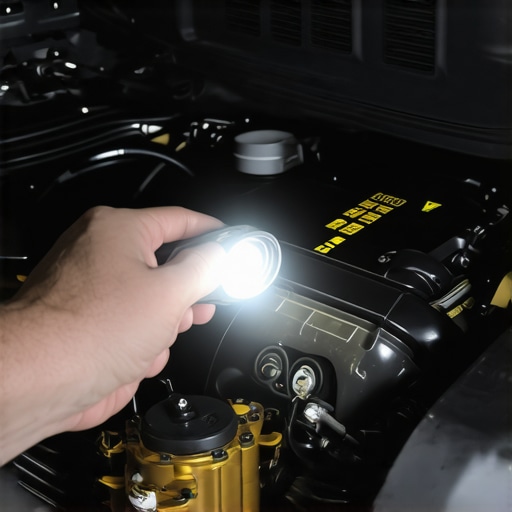
It was just another Saturday morning, and I was halfway through changing my oil when suddenly my engine started chugging oddly, like it was protesting. I had ignored that little roughness for weeks, brushing it off as ‘normal wear and tear.’ But that day, I realized something was off—and if I had known earlier how to spot a clogged PCV valve myself, I might have saved myself a lot of time and money. That lightbulb moment made me dive deep into car diagnostics I could do at home, no mechanic required.
Why Knowing How to Detect a Clogged PCV Valve Matters
The Positive Crankcase Ventilation (PCV) valve is a tiny but mighty component that keeps your engine running smoothly. When it gets clogged or stuck, crankcase gases can’t escape properly, leading to increased oil consumption, rough idling, and even long-term engine damage. Early detection of a clogged PCV valve can prevent costly repairs and keep your engine healthy, which is why it’s worth learning how to spot the signs yourself.
Many folks either wait until the check engine light blinks or a mechanic tells them there’s a problem. But I’ve learned that with a little knowledge, you can catch these issues early, saving you both time and money. Plus, it’s empowering—like having a car-savvy friend right in your garage. For some insightful tips on maintaining your vehicle’s safety and performance, check out [this comprehensive brake service guide](https://repairmycarpro.com/the-ultimate-guide-to-brake-service-for-safety-and-performance).
Now, I want to be honest—early on, I made a critical mistake: assuming that all engine issues were too complicated to handle without professional tools. Turns out, many signs of a clogged PCV valve are visible and detectable with just your nose, some basic inspection, and a little patience. Get ready, because in the next section, I’ll walk you through simple steps to identify a clogged PCV valve—safely and effectively.
Is Checking Your PCV Valve Really Worth the Effort?
Absolutely. I used to believe it was only for seasoned mechanics, but a quick inspection can save you from bigger headaches down the road. Learning to spot the warning signs early can shield your engine from potential damage, and it’s easier than you think. Plus, being proactive aligns perfectly with some of the best auto repair tips I’ve come across, like those shared in [auto repair hacks to save money](https://repairmycarpro.com/auto-repair-hacks-save-money-without-sacrificing-quality).
Start with a Basic Inspection of the Valve
Remove the engine cover to access the PVC valve, usually located near the intake manifold. Gently take it out and check for signs of dirt, sludge, or oil buildup. If it feels sticky or is visibly clogged, that’s a red flag. I once experienced this myself when I noticed the valve stuck and oily—cleaning it immediately restored smooth engine operation.
Perform a Simple Odor Test
With the engine running at idle, carefully sniff around the valve. A strong, pungent smell of unburned fuel or varnish indicates it’s not venting gases properly. This smell was my first clue that my PVC valve was clogged, prompting me to replace it myself rather than wait for a mechanic.
Check for Vacuum Leaks
Disconnect the PVC hose and inspect for cracks, loose clamps, or signs of wear. Use a simple rubber glove or a tissue around the hose—if the engine RPMs fluctuate or the glove/table moves, there’s a vacuum leak. I tested this on my car with a piece of incense, moving it near the hose; a slight flicker in the smoke indicated a leak, which I then fixed by tightening clamps.
Perform a Car Run Test
Reinstall the valve, start the engine, and bring it to operating temperature. Observe the engine’s performance—rough idling, stalling, or black smoke from the tailpipe suggests poor venting. Once, I found my engine sputtering, and after cleaning the PVC valve, the problem disappeared, confirming the clog was the culprit.
Use a DIY Cleaning Method
If the valve isn’t heavily damaged, you can clean it with carburetor cleaner or brake cleaner. Spray into the valve, let it sit for a few minutes, then manually move the valve plunger to loosen debris. Be cautious—if the valve is cracked or stuck, replacing it is better.
Replace When in Doubt
Even after cleaning, if the valve remains stuck or shows cracks, replacing it is the safest choice. Considering the cost is minimal compared to engine damage, I make it a routine to replace my PVC valve every couple of years. This proactive habit keeps my engine running smoothly and helps avoid unforeseen breakdowns.
Remember, tackling this task is akin to clearing a blocked drain—simple tools and patience go a long way. For an in-depth look at other vital auto repairs you can handle yourself, visit this guide on auto repair hacks. Regular checks now can save you from costly repairs later, making your vehicle maintenance smarter and more satisfying.
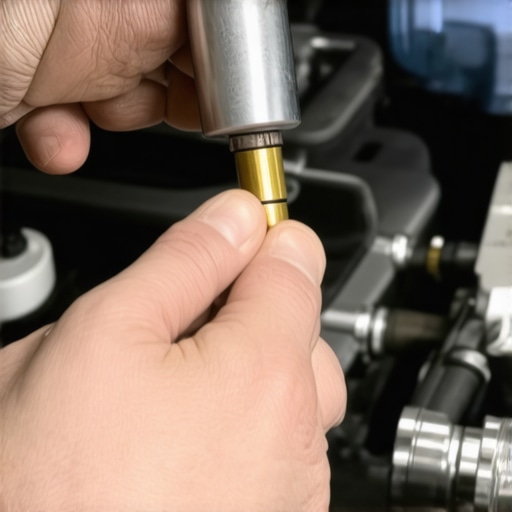 Many car owners believe they understand basic auto maintenance, but misconceptions about brake service, oil changes, and diagnostics can lead to costly mistakes. For instance, it’s a myth that changing your oil every 3,000 miles is always necessary; modern engines often benefit from extended intervals thanks to advancements detailed in [oil change innovations](https://repairmycarpro.com/oil-change-innovations-technologies-that-save-your-engine). However, neglecting proper diagnostics can be a trap, especially when subtle signs of issues like vacuum leaks or sensor failures go unnoticed, leading to expensive repairs down the line. Understanding the nuances of vehicle diagnostics is crucial—skipping advanced checks or relying solely on the dashboard lights might seem sufficient, but expert diagnostics reveal hidden problems early. One common mistake is assuming that brake squeal always means pads are worn; often, the issue is a minor caliper alignment or a fluid problem, as explored here. Advanced auto repair requires a nuanced understanding—simple test procedures, like inspecting vacuum hoses or sensor outputs, can prevent breakdowns and save money. Beware the allure of quick fixes. For example, replacing parts without thorough diagnostics may merely mask issues, causing recurrence or further damage. A sophisticated approach involves cross-referencing multiple signals, considering how different systems interplay. For instance, a misfiring engine could stem from a failing ignition coil or a vacuum leak—both detectable with proper diagnostic tools. Relying solely on visual cues or the smell of burning oil often leads to misjudgment, underscoring the importance of proper testing. Make sure you are not falling into the trap of oversimplified auto repairs. Invest time in understanding your vehicle’s systems, as it ultimately saves money and prolongs your car’s lifespan. If you’re curious about decoding what your car is trying to tell you, check out the vehicle diagnostics explanation. Remember, the difference between a quick fix and a long-term solution is often in the details—don’t overlook the nuances. Have you ever fallen into this trap? Let me know in the comments.
 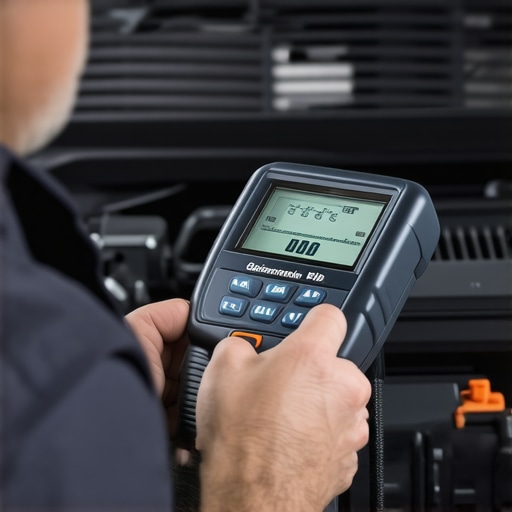 Maintaining your vehicle’s performance over the long haul requires not just knowledge but also the right equipment and tools. Personally, I swear by a high-quality code scanner like the Autel MaxiCode Elite, which allows me to quickly read and clear diagnostic trouble codes, saving a trip to the mechanic and catching issues early. This device connects easily via OBD-II port and displays real-time sensor data, making it invaluable for diagnosing problems with engine sensors, ABS, and other vital systems. For those who prefer software on their tablet or computer, [vehicle diagnostics explained](https://repairmycarpro.com/vehicle-diagnostics-explained-easy-checks-before-your-road-trip) offers insights into selecting the best diagnostic tools tailored to your vehicle’s needs.
When it comes to oil changes, I’ve found that using synthetic oils like Mobil 1 Extended Performance not only extends oil change intervals but also provides better engine protection—especially important as cars age. But beyond just the right oil, tools like a reliable oil filter wrench help make the task cleaner and faster. Regularly inspecting and replacing those filters with quality parts prevents sludge buildup, which can cause long-term damage.
For brake service, having a digital caliper—like the Mitutoyo 500-196-20—enables me to measure brake pad and rotor wear precisely. Staying within manufacturer specifications ensures optimal braking performance and safety. To keep brake fluid functioning properly, I use a dedicated brake bleeder kit, which simplifies replacing old or contaminated fluid, maintaining brake responsiveness.
Long-term maintenance isn’t just about having the right tools; it’s about understanding how they fit into your vehicle care routine. For example, staying on top of tire pressure and tread depth with a digital tire gauge helps prevent uneven wear and blowouts. And in diagnostics, understanding the significance of sensor signals can prevent costly repairs, as detailed in [advanced vehicle diagnostics](https://repairmycarpro.com/how-advanced-vehicle-diagnostics-prevent-costly-breakdowns).
Predicting where automotive technology is headed, I believe vehicle diagnostics will become even more integrated with AI-driven systems, providing proactive alerts before issues become critical. Regularly updating your diagnostic tools and software will be essential to stay ahead.
**What’s one tool you swear by for maintaining your car?** I recommend trying a comprehensive diagnostic scan this month. It’s a game-changer for identifying hidden issues early and avoiding costly repairs. Remember, investing in quality tools now can save you thousands in the future and keep your vehicle running smoothly for many miles to come.
The Hidden Truths Garage Guides Don’t Share
My biggest lesson was realizing that car maintenance isn’t just about following a schedule but understanding what’s happening under the hood. I used to rely solely on mechanic diagnoses, but now I know that pinpointing issues like a clogged PCV valve can be straightforward and empowering. One lightbulb moment was recognizing the smell of unburned fuel during a simple sniff test—such a clear sign I could catch early on.
Another insight was the importance of vacuum leaks. A small crack or loose clamp can cause rough idling or poor fuel efficiency—things I thought were normal until I learned to inspect these myself. Tools like a simple incense stick made these checks fun and easy, saving me trips to the repair shop. Trust me, understanding your vehicle’s subtle signals can make a world of difference.
Most crucially, I discovered that cleaning a clogged valve isn’t rocket science—and sometimes, a DIY fallback can prevent costly repairs. But remember, not every part is salvageable; knowing when to replace is key. This knowledge not only saves money but gives you peace of mind knowing your car’s health is in your hands.
Gear Up With Tools That Make a Difference
For anyone serious about vehicle diagnostics, I recommend a reliable OBD-II scanner like the Autel MaxiCode Elite. It provides real-time data and trouble codes, guiding you toward potential issues before they escalate. Pair it with quality oils like Mobil 1 Extended Performance and a sturdy oil filter wrench—these tools have transformed routine oil changes into quick, worry-free tasks.
My brake routine includes a digital caliper to measure pad wear and a brake bleeder kit to maintain fluid quality. These simple yet effective tools keep me safe and confident on the road. If you’re eager to extend your vehicle’s lifespan, check out [top auto repair tips to prolong your car’s lifespan](https://repairmycarpro.com/top-auto-repair-tips-to-extend-your-vehicles-lifespan), which complements these practical tools beautifully.
Believe in Your Capacity to Prevent Big Problems
Taking control of vehicle health isn’t just about tools; it’s about mindset. I used to think only mechanics could spot issues like vacuum leaks or sensor failures, but I’ve learned otherwise. Small inspections, like sniffing around the valve or checking vacuum hoses, can reveal hidden problems early. As I gained confidence, I saw that DIY diagnostics are as much about curiosity as skill.
Imagine catching a clogged PCV valve before it causes engine damage, simply because you took five minutes to inspect. That’s real auto repair empowerment. Don’t wait for a warning light—be proactive, and your engine will thank you for it.
Start Small, Think Big in Car Maintenance
Every DIY check, every inspection, adds up to a stronger connection with your vehicle. Whether it’s scrubbing a sticky valve or tightening a clogged hose, these small victories make a big difference in performance and safety. Remember, the goal isn’t perfection, but confidence — knowing you can handle minor issues before they become costly repairs. So, why not start today? Your car—and your wallet—will thank you for it.
What’s your next step towards smarter car care?
Are you ready to try inspecting your PCV valve or using a diagnostic scanner? Share your plans and questions below—let’s keep the conversation going and help each other drive smarter.