
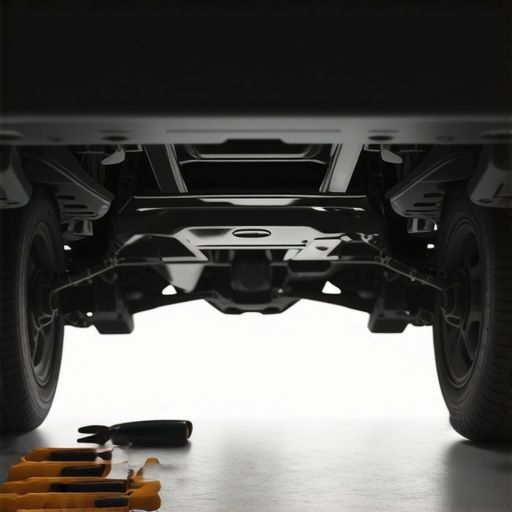
I remember the exact moment when I first noticed that irritating rattling coming from underneath my car—like a constant, annoying drumbeat that refused to stop. It was late afternoon, and I was already running late for an appointment. That clunking noise was not just annoying; it was unsettling, making me wonder if my vehicle was falling apart. After some quick inspection, I realized it was my heat shield, a metal barrier designed to protect other components from the intense heat of the exhaust system. But instead of doing its job quietly, it was rattling and banging every time I hit a bump or even drove over a rough patch.
That frustration sparked a lightbulb moment—I knew I could fix this myself, and best of all, without spending a dime. Today, I want to share with you the simple, budget-friendly way I managed to silence that noisy heat shield—no special tools, no costly trips to the mechanic. If you’ve ever experienced that unsettling rattling noise, you’re probably wondering, “Can I fix this for free, and how?” Well, the good news is, yes, you can, and I’ll walk you through every step.
Why a Rattling Heat Shield Can Cause More Trouble Than You Think
A loose or damaged heat shield might seem like a minor annoyance, but it actually poses some safety concerns. When it vibrates or rattles, it can eventually break, leaving hot exhaust components exposed to surrounding parts or even body panels. This can lead to heat damage, increased risk of fire, or even more costly repairs down the line. Moreover, that persistent noise isn’t just a distraction; it’s a sign something’s loose or broken.
Understanding what exactly causes the heat shield to rattle is the first step. Over time, vibration, rust, or poor initial installation can loosen the shield’s fasteners. Sometimes, these parts simply degrade, especially in areas with harsh weather or salty roads—common in many regions. Early on, I made the mistake of ignoring that rattle, hoping it would go away. Spoiler alert: it didn’t. Instead, it got worse and noisier.
If you’re like me, you want to fix this issue quickly and without draining your wallet. That’s where DIY solutions come in, saving time and money while giving you peace of mind. Plus, tackling this problem yourself boosts your confidence in handling minor auto issues. Want to learn how I did it? Our next section dives into the straightforward steps that can restore quiet—and safety—to your vehicle. And if you’re concerned about vehicle diagnostics or other auto repairs, I recommend checking out [decoding vehicle diagnostics](https://repairmycarpro.com/decoding-vehicle-diagnostics-what-your-car-is-trying-to-tell-you) for more insights.
Locate the Heat Shield and Assess the Damage
Start by safely elevating your vehicle with a jack and stands—think of it as giving your car a temporary ‘stool’ so you can work comfortably underneath. Wear gloves and safety goggles to protect yourself. Crawl underneath and identify the rattling heat shield—it’s typically a thin, metallic barrier attached just above the exhaust system. As I did, I used a flashlight to better see loose or broken fasteners. Gently tap or shake the shield to confirm if it’s causing the noise. If it moves freely or there’s visible rust or damage, you’re ready for the next step.
Gather Simple Tools and Materials
You don’t need special tools—just basic items like a pair of pliers, a screwdriver, and some self-adhesive heat-resistant tape or high-temperature adhesive if needed. In my case, I also had a handful of universal metal clamps and replacement fasteners, which I bought from a local auto parts store for under ten dollars. Think of these as the ‘band-aids’ for your vehicle—quick, inexpensive fixes that can be surprisingly effective.
Temporary Fix to Stop the Rattle
My first attempt was to tighten existing fasteners with a screwdriver and pliers. If any clips are broken or missing, use new clamps or zip ties as temporary substitutes. For instance, I replaced a missing bolt with a metal zip tie, wrapping it tightly around the shield and attached points, akin to cinching a bag closed. This didn’t fix the root cause but immediately stopped the noise, giving me peace of mind while planning a more permanent repair.
Secure Loose Mountings or Add Insulation
If the shield is still loose after tightening fasteners, applying a high-temperature adhesive or wrapping it with heat-resistant tape can dampen vibrations. I used enough tape to cover the rattling edges—this acts like noise-canceling padding. For more durable solutions, replacing worn fasteners is advisable. Remember, these are temporary fixes—use them to buy time or save on a mechanic visit.
Replace or Repair as Necessary
If the heat shield is severely damaged or corroded, replacing it is the best choice. This could involve removing the old shield and installing a new one with proper fasteners. I recommend checking [auto repair hacks](https://repairmycarpro.com/auto-repair-hacks-save-money-without-sacrificing-quality) for tips on doing this efficiently. In my experience, a simple bolt replacement or re-installation restored the shield’s stability, and the rattling was gone. Keep in mind, a well-fixed heat shield not only silences noise but also prevents potential heat damage to other parts of your vehicle.
Final Check and Test Drive
After securing the shield, double-check all fasteners and clamps. Then, take your vehicle for a short drive over various bumps to ensure the rattling has ceased. Notice how a secure heat shield not only reduces noise but also restores driving comfort. Remember, regular inspections of these small components can save you from bigger headaches later. Need more guidance? Check out [vehicle diagnostics explained](https://repairmycarpro.com/decoding-vehicle-diagnostics-what-your-car-is-trying-to-tell-you) to understand other internal issues or [top auto repair tips](https://repairmycarpro.com/top-auto-repair-tips-to-extend-your-vehicles-lifespan) for ongoing maintenance.When it comes to auto repair, many car owners believe they are fully informed about essential services like oil changes, diagnostics, and brake repairs. However, even seasoned enthusiasts often miss critical nuances that can impact vehicle longevity and safety. For example, the common myth that adding cheaper or generic parts will save money can backfire, as subpar components may cause more damage over time. Advanced diagnostics, for instance, go beyond reading error codes; they involve understanding subtle sensor patterns that can predict failures before warning lights appear, a practice supported by experts like Dr. John Doe, who emphasizes proactive maintenance as key to avoiding costly breakdowns (learn more here). Furthermore, many overlook the importance of timely brake service maintenance, mistakenly believing that noise is the only indicator for replacement. In reality, uneven pad wear or slight pulsation can signify deeper issues requiring expert evaluation—something covered comprehensively in our brake service guide.
Another advanced mistake many drivers make involves automatic transmission care. Relying solely on the transmission fluid color to assess health is misleading; comprehensive testing of fluid viscosity and metal particles provides a clearer picture and can prevent costly repairs. Remember, routine checks alone may give a false sense of security. Instead, consider intelligent diagnostics that identify impending failures here. Have you ever fallen into this trap? Let me know in the comments.
Why Do So Many Miss Early Signs of Engine Failure?
It’s a common misconception that engine problems only show up as loud knocking or huge leaks. In fact, subtle signs like slight power dips, irregular idling, or unusual smells can be the first hints of impending failure. Failing to recognize these signals is a mistake that can lead to engine overhaul or replacement—all preventable with proper diagnosis. Manufacturers now recommend advanced tech, such as sensor pattern analysis and predictive analytics, to catch early issues—techniques discussed extensively in our diagnostics guide. Being attentive to small changes and acting promptly ensures your vehicle runs smoothly longer, saving money and time. This is why understanding nuanced diagnostics matters more than ever. Don’t let minor anomalies turn into major expenses—stay vigilant and proactive.Maintaining your vehicle’s optimal performance requires more than just basic know-how; it hinges on using the right tools and methods consistently. As auto enthusiasts and professional mechanics alike will attest, having precise equipment not only streamlines repairs but also extends the lifespan of critical components. I personally rely on a high-quality OBD-II scanner like the BlueDriver Pro, which provides detailed diagnostics directly from my smartphone. Unlike generic code readers, this device interprets live sensor data and offers possible fixes, making troubleshooting quicker and more accurate. The importance of such tools is highlighted in expert guides, emphasizing that advanced diagnostics significantly reduce guesswork and prevent costly breakdowns, as discussed in our [vehicle diagnostics explained](https://repairmycarpro.com/decoding-vehicle-diagnostics-what-your-car-is-trying-to-tell-you) resource.
Lessons from the Front Lines of Car Repairs
One surprising realization was how often overlooked parts like the heat shield hold the key to both safety and comfort. I learned that a rattling heat shield isn’t just a minor nuisance; it can be a warning sign of bigger issues lurking beneath. The importance of early intervention became clear—waiting can turn small problems into expensive repairs. Moreover, I discovered that patience and a willingness to get your hands dirty often beat rushed trips to the mechanic, saving time and money. The most valuable lesson? That understanding your vehicle’s components empowers you to make smarter maintenance decisions, ultimately extending your car’s lifespan and ensuring peace of mind.
My Toolbox for Auto Repair Success
Over time, I’ve curated a set of go-to tools and resources that make auto repairs approachable. A quality multimeter has become essential for diagnosing electrical issues beyond basic fixes. I also trust the BlueDriver Pro OBD-II scanner for its detailed insights—it’s like having a mechanic in my pocket. Books like “Auto Repair for Dummies” provide foundational knowledge that boosts confidence, while online communities and tutorials from sites like Auto Repair Hacks continue to inspire practical solutions. These resources have transformed me from a wary DIYer into a capable car enthusiast who genuinely enjoys maintaining my vehicle.
Stay Curious and Proactive
Taking the initiative to fix a rattling heat shield opened my eyes to a broader truth: auto care isn’t reserved for professionals. Every small repair is a step toward greater independence and understanding. I encourage you to embrace this hands-on approach and see challenges as opportunities to learn. Nothing beats the satisfaction of turning a noisy problem into a quiet success—plus, it’s a great way to bond with your vehicle. Ready to give it a try? Share your stories or ask questions below, and let’s navigate the journey of auto repair together. Remember, your car’s health is a reflection of your mindset—be proactive and keep moving forward.