
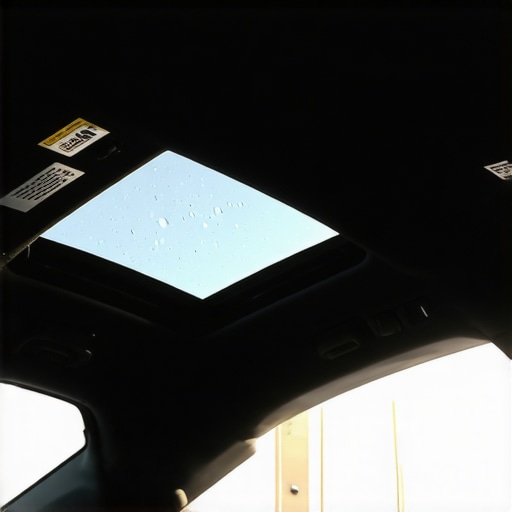
It happened on the day I least expected—during a sudden downpour, I noticed water dripping onto my seats, and there was no storm in sight. That sinking feeling of knowing my car’s sunroof was leaking was frustrating, especially since I’d overlooked its warning signs for too long. If you’re nodding along, thinking, “That’s happened to me too,” then you’re in the right place. Today, we’ll uncover simple yet effective ways to stop your sunroof from flooding your interior, saving you both mess and money.
Why Your Sunroof Leak Is More Than Just an Annoyance
Many car owners dismiss leaks as minor issues, but the truth is, they can lead to more significant problems like mold, rust, and electrical shorts. When water seeps into your car’s interior, it doesn’t just stain your seats—it can degrade your vehicle’s structure over time. Plus, a leaking sunroof diminishes your comfort and can even affect your driving safety if water gets into critical components.
As someone who initially thought a bit of water wasn’t a big deal, I learned the hard way that ignoring a sunroof leak can turn into costly repairs. Early on, I made the mistake of thinking a quick sealant application would fix everything—only to discover that water found new ways in. That experience taught me the importance of proper diagnosis and maintenance.
Did you know that improperly maintained seals are among the leading causes of sunroof leaks? According to auto repair experts, neglecting regular inspections can allow debris and buildup to clog drainage channels, forcing water to find alternate paths into your car.
In the next sections, I’ll walk you through the step-by-step process I used to fix my sunroof leak, along with common pitfalls to avoid. If you’ve faced this soggy situation, keep reading—I’m confident these tips will steer you toward a dry, happy ride.
Inspect and Clear Drainage Channels
Start by opening your sunroof and locating the drainage channels on each corner. Use a flashlight to check for debris, leaves, or dirt buildup obstructing these pathways. Grab a can of compressed air or a flexible pipe cleaner to gently clear out any blockages. I remember once using a thin wire to poke through a clogged drain, and water flowed freely afterward, saving me from future leaks.
Test Drainage Functionality
Pour a small amount of water into each drainage hole and watch if it flows out underneath the vehicle. If it doesn’t, there’s still a clog deep within. Use a water bottle with a squeeze spout to help flush out obstructions. Ensuring proper drainage prevents rainwater from pooling and seeping into your car interior.
Examine and Replace Sunroof Seals
Inspect the rubber seals around the sunroof for cracks, tears, or degradation. A cracked seal is a primary culprit behind leaks. If you spot damage, purchase a compatible replacement seal from an auto parts store. During my repair, I carefully removed the old seal with a plastic pry tool, cleaned the lip, and installed a new seal, which immediately improved waterproofing. For comprehensive guidance, you might find it helpful to review auto repair strategies for frequent drivers.
Check Sunroof Glass and Frame Sealant
Sometimes, the sealant holding the glass in place can crack or peel. Use a flashlight to inspect the perimeter of the sunroof glass. If you see gaps or cracks, apply a high-quality automotive sealant designed for glass and metal. Applying sealant is like caulking a crack in your home—precise application makes all the difference. I used a silicone sealant, smoothing it with a plastic spatula, and waited 24 hours before testing for leaks again.
Test and Reassemble
After completing repairs, test the system by pouring water over the sunroof and observing from inside with a flashlight. Check for any signs of seepage. If the area stays dry, reassemble all components carefully. Reattaching the sunroof panel correctly ensures that seals are properly compressed, offering a tight defense against water ingress. Ensuring your drainage channels are free and seals are intact will drastically reduce the chances of a recurring leak.
When it comes to vehicle repair, many car owners rely on common advice that has become almost a mantra: change the oil regularly, replace brake pads when worn out, and run diagnostics when warning lights appear. While these are essential steps, there’s a less obvious but equally critical aspect that often gets overlooked—understanding the nuances and complexities behind these services. Let’s dig deeper into what most people get wrong about auto repairs, especially when it comes to brake service, oil changes, and diagnostics.
Myth of One-Size-Fits-All Maintenance
One widespread misconception is treating vehicle maintenance as a fixed routine. For example, everyone suggests changing your oil every 3,000 miles, but recent studies and manufacturer recommendations show that modern synthetic oils can last twice that long under ideal conditions. Over-maintaining can be just as harmful as neglecting; it can lead to unnecessary expenses and waste of resources. Recognizing the specific needs of your vehicle through proper diagnostics and understanding its usage patterns can optimize maintenance schedules. For in-depth guidance, review tips to extend your vehicle’s lifespan.
The Danger of Ignoring Hidden Signals
Many assume that if brakes aren’t squealing or if there are no dashboard warnings, everything is fine. However, advanced diagnostics reveal subtle signs of issues that are easy to miss. For instance, a slight vibration during braking or uneven tire wear could indicate caliper problems or uneven pad wear—issues that, if ignored, may cause more serious damage. There is a misconception that diagnostics are only for major breakdowns, but proactive checks can catch problems early, saving money and ensuring safety. Curious about quick checks you can do yourself? Visit easy vehicle diagnostics tips.
Advanced Mistakes in Brake Service and Oil Changes
A common mistake is neglecting to understand the importance of proper brake fluid flushing or replacing seals and rotors when needed. A failure to grasp the intricacies, like the buildup of brake dust and moisture, can lead to corrosion and reduced braking efficiency over time. Similarly, in oil changes, using the wrong type of oil or neglecting the condition of the oil filter can accelerate engine wear. Understanding the advanced nuances—such as the impact of driving habits or climate on these services—is vital. For more on effective brake maintenance, check out auto repair hacks.
Why Modern Diagnostics Matter More Than Ever
Technology has drastically evolved, making vehicle diagnostics more sophisticated. Many car issues originate from complex sensor failures or software glitches that aren’t apparent without proper tools. Relying solely on a check engine light or simple visual inspection can be misleading. Advanced diagnostic tools interpret hidden error codes, helping technicians diagnose issues that could costly if left unresolved. Are you aware of what your car’s warning lights truly signify? Learn more at vehicle diagnostics explained.
Ultimately, the key takeaway is that vehicle maintenance isn’t just about routine actions but about understanding the underlying systems, signs, and advanced nuances that ensure safety, longevity, and cost-effectiveness. By appreciating these details, you can avoid pitfalls that often lead to premature repairs and breakdowns. Have you ever fallen into this trap? Let me know in the comments.
Tools I Recommend for Reliable Vehicle Maintenance
Over the years, I’ve discovered that investing in quality diagnostic and repair tools can significantly extend your vehicle’s lifespan and improve safety. A digital scan tool, like the Autel MaxiCOM MK808, provides comprehensive code readings and live data—saving time and helping identify issues before they escalate. I personally prefer it because of its extensive compatibility with various vehicle makes and its user-friendly interface, which allows me to perform diagnostics without always visiting the shop.
Another indispensable tool is a high-quality torque wrench. Proper torque application, especially when replacing brake components or suspensions, prevents uneven wear and ensures safety. I use a digital torque wrench because it offers precision and records torque values for future reference, which is especially handy during long-term maintenance routines.
When it comes to fluid management, magnetic oil drain plugs help monitor engine oil degradation over time. These plugs attract ferrous particles, providing a simple visual cue on whether your oil is still effective, thus aiding in longer intervals between oil changes. For oil inspections and changes, I rely on the latest innovations in oil change technology, like synthetic blends that resist thermal breakdown—an excellent choice for extended drain intervals.
The Importance of Regular Vehicle Diagnostics
Consistent diagnostics aren’t just for catching problems early—they can also optimize your vehicle’s performance and fuel economy. Investing in ODB2 Bluetooth adapters allows me to connect my car’s computer to my smartphone, using apps like OBDeleven or Torque to monitor real-time data and run system checks. This practice helps me stay ahead of potential issues, ensuring that my vehicle remains reliable, especially during long trips. According to automotive expert decoding vehicle diagnostics, early detection via proper tools can prevent costly repairs down the line.
For the proactive auto enthusiast, understanding how to interpret diagnostic trouble codes (DTCs) can be transformative. I recommend dedicating time to learn basic coding—like the common P0171 or P0420 codes—to troubleshoot minor issues yourself and determine when professional help is necessary. This approach aligns well with strategic maintenance and cost savings over time.
Preparing for Long-Term Success Tutorials
Beyond diagnosis and tools, establishing a regular maintenance schedule tailored to your vehicle’s specifications is key. I follow the manufacturer’s service intervals but also incorporate my own checks—like inspecting brake rotors for uneven wear or testing battery voltage with a multimeter. Over time, I’ve found that simple measurements, like monitoring coolant levels and checking for leaks, can save you from unexpected breakdowns. To deepen your understanding of maintaining your vehicle effectively, consider reviewing auto repair strategies for frequent drivers.
How do I maintain my vehicle’s performance over time?
Consistent use of diagnostic tools, adherence to manufacturer recommended service schedules, and gradual upgrades—like high-quality filters and fluids—are crucial. Additionally, staying informed about emerging tech, such as adaptive brake systems or engine management software updates, ensures your vehicle remains safe and efficient. And for those who want to push their maintenance routine further, exploring advanced diagnostic software or upgrading to professional-grade repair kits can be game-changers.
Remember, tools aren’t just for mechanics—they empower you to understand and extend your vehicle’s health. Try implementing a weekly check using a Bluetooth diagnostic adapter—it’s a simple yet powerful step toward keeping your car in top shape.
What Truly Separates Pros from Amateurs in Sunroof Fixes
One of the biggest lessons I uncovered was that genuine attention to detail—like methodically cleaning drainage channels and accurately replacing seals—makes the difference between a temporary fix and a long-lasting solution. Rushing through repairs or neglecting small cracks can lead to recurring leaks that drain your patience and wallet. Appreciating that auto repair demands patience and precision transformed my approach to fixing my sunroof.
The Goldmine of Tools That Save Time and Effort
Investing in quality tools like a flexible pipe cleaner and a reliable automotive sealant was pivotal. These tools not only expedited my repair process but also provided results that held up over time. Trusting reputable brands and knowing how to use diagnostics tools like a Bluetooth ODB2 adapter empowered me to monitor my vehicle’s health proactively—something I now recommend to every car owner aiming for longevity.
Your Next Step: Turning Knowledge into Power
Taking ownership of your vehicle’s maintenance can be empowering. By applying insights like regular drainage channel checks or sealant application, you’re actively safeguarding your car against future leaks. Remember, a well-maintained sunroof doesn’t just keep you dry—it enhances your driving confidence. Ready to put these tips into practice? Share your experiences or ask questions below. Have you ever struggled with a stubborn sunroof leak? Let’s discuss and help each other keep our cars in top shape!