
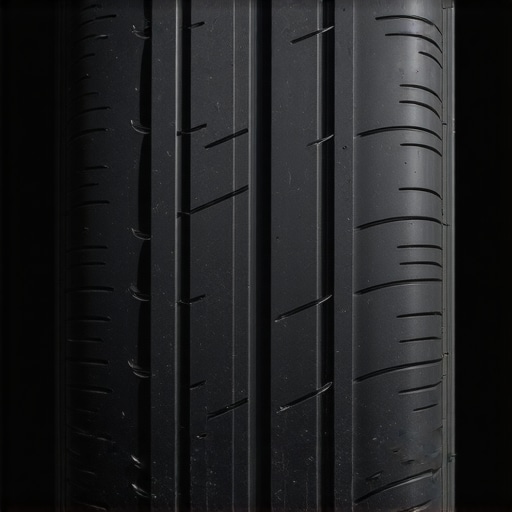
You know that sinking feeling when you’re cruising down the highway and suddenly notice your steering wheel vibrating just a bit more than usual? Or maybe you’re pulling into your driveway after a quick trip, and a nagging thought pops up: “Why are my tires wearing in the middle but not on the edges?” I’ve been there too. It’s frustrating, confusing, and honestly, a bit nerve-wracking to think that something as simple as tire wear could hint at deeper issues your car might be hiding.
Getting to Know Your Tire’s Warped Reality
One day, I took a good look at my tires after noticing a slight wobble during my drives. Instead of the smooth ride I used to enjoy, I felt every bump more sharply. When I checked my tires, I discovered they were wearing down faster in the middle than on the edges. That lightbulb moment made me realize that uneven wear wasn’t just about the tires themselves—it’s about what’s going on under the hood, or rather, beneath the tire tread. This kind of wear pattern can sneak up on you and lead to costly replacements if ignored, but more importantly, it can impact your safety and fuel efficiency.
So, why does this happen? Well, the main culprit is usually overinflation. When your tires are inflated beyond the recommended pressure, the center of the tread makes more contact with the road—like a tire that’s been pumped up too much at the gym. This excess pressure causes the middle to wear out faster because that part’s doing all the work. Another factor can be suspension issues or wheel misalignment, but overinflation is often the simplest mistake to make—and the easiest to fix.
By understanding this pattern, you’re already one step closer to avoiding unnecessary tire replacements and keeping your ride smooth and safe. But I won’t leave you hanging there. We’ll go through the practical steps you can take to diagnose and fix this problem—saving you money and a headache in the process. Before we move on, ask yourself: have you been checking your tire pressure regularly? If not, you’re not alone. Many drivers overlook this simple maintenance step, which is crucial for tire longevity and safety. You can even learn how to perform quick, easy checks by visiting vehicle diagnostics explained.
Understanding why your tires wear in the middle can feel like unraveling a mystery, but it’s all about paying attention and taking action. Now, let’s dive into how to correct this issue before it leads to more costly repairs or, worse, a dangerous blowout on the highway.
Check and Adjust Your Tire Pressure Correctly
Start by ensuring your tires are inflated to the manufacturer’s recommended pressure, usually found on the driver’s door jamb or in the owner’s manual. Use a reliable tire pressure gauge—think of it like a precise heartbeat monitor for your tires. I once checked my tire pressure before a long trip, and the gauge showed 35 PSI instead of the recommended 32 PSI. After properly adjusting it, I noticed smoother rides and even tire wear over the next few weeks. Regular checks prevent overinflation from turning your tire into a ripe watermelon, wearing out the middle prematurely.
Learn How to Perform a Basic Tire Inspection
Visually examine your tires for uneven tread wear, embedded objects, or sidewall damage. Spin each wheel and listen for vibrations or noises—these can signal issues like imbalance or internal damage. When I inspected my tires, I used a flashlight to spot uneven wear patterns and found a small nail. Removing it and filling the tire with the correct pressure not only improved safety but also extended tire life. Think of this inspection as a doctor’s check-up—spotting problems early saves you money and discomfort later.
Perform Wheel Alignment at Home (or Professionally)
If your steering feels off-center or the car pulls to one side, misalignment is likely. While professional alignment requires specialized equipment, you can do a basic test at home: Park your car on a flat surface, and observe the position of the tires in relation to the markings on the ground. If they appear tilted inward or outward excessively, schedule an alignment. I once noticed my car drifting after hitting a pothole, so I took it to a mechanic—this fixed the uneven tire wear and improved handling. Remember, proper alignment distributes your tire’s weight evenly, preventing the middle from wearing out faster.
Consider Suspension and Wheel Balance Checks
Vibrations or a wobbling steering wheel are signs that your suspension components or wheel balance might be off. When I felt a persistent shake at 60 mph, I visited [vehicle diagnostics explained](https://repairmycarpro.com/vehicle-diagnostics-explained-easy-checks-before-your-road-trip). They identified a bent wheel rim and worn suspension bushings. Correcting these issues restored a smooth ride and ensured the tires wore evenly. Regular wheel balancing and suspension inspections are like chiropractic visits for your car—keep everything in alignment to prevent unnecessary tire wear.
Tackle Overinflation and Underinflation Issues
Using an automatic tire inflator can tempt you to overdo it—always verify the pressure with your gauge. Underinflation causes excessive flexing, leading to edge wear, while overinflation, as discussed, wears the middle fast. I once increased my pressure to improve fuel economy but forgot to check the gauge. The result: my tires wore out in just 20,000 miles, forcing an early replacement. Stick to recommended pressures and perform regular checks—it’s a simple yet effective way to extend your tires’ lifespan.
Adopt Good Driving Habits to Minimize Wear
Rapid acceleration, hard braking, and hitting potholes can hasten tire uneven wear. Approach stops smoothly, avoid sudden turns at high speed, and steer clear of rough patches when possible. Over time, these habits maintain even tire contact with the road, preserving the structure of the tread. I changed my driving style after a few close calls with potholes, and my tires started wearing more evenly, saving me hundreds at the shop.
Make Use of DIY Resources and Expert Support
For complex issues beyond your skill, consult professionals. Better yet, leverage trusted guides like [auto-repair hacks](https://repairmycarpro.com/auto-repair-hacks-save-money-without-sacrificing-quality) and [essential strategies](https://repairmycarpro.com/essential-auto-repair-strategies-for-frequent-drivers). When I suspected suspension problems, I watched several DIY videos and then visited my mechanic with a clear understanding. This cooperative approach saves money and ensures the problem is accurately diagnosed and fixed.
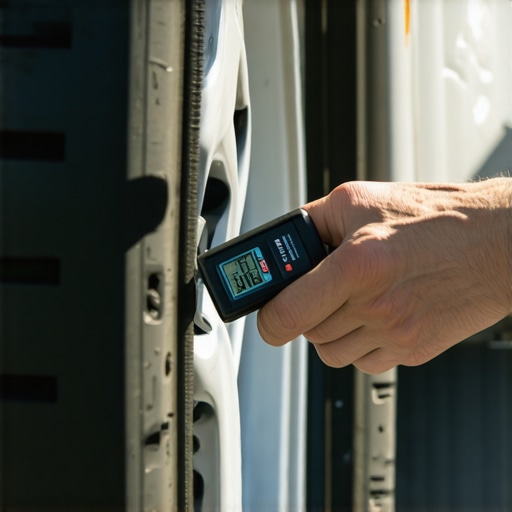
Many drivers operate under misconceptions about essential auto services like oil changes, brake maintenance, and vehicle diagnostics. These misunderstandings can lead to costly repairs or even safety hazards. Let’s dig deeper into some of the most overlooked nuances and debunk common myths that trip up even seasoned car owners.
Why Relying Solely on Dashboard Lights Can Be a Mistake
One prevalent mistake is waiting for the check engine light or other warning indicators before addressing potential issues. While these lights are valuable alerts, they often don’t specify the severity or nature of the problem. Modern vehicles are equipped with complex sensor networks, and a malfunction indicator could be triggered by minor issues or more serious faults. For instance, a misfiring sensor might send false signals, leading to unnecessary repairs or neglect. Moreover, the integration of advanced vehicle diagnostics can reveal hidden problems before warning lights illuminate, saving you money and avoiding breakdowns.
Routine inspection and diagnostic checks are essential. Performing a simple diagnostics check regularly can help catch issues early, especially since some problems manifest subtly that dashboard alerts might not detect immediately.
Common Auto Repair Myths That Do More Harm Than Good
One widespread myth is that changing your oil more frequently than necessary improves engine health. In reality, overchanging can lead to unnecessary expenses and environmental waste, as some oils are designed to last longer—think about innovations in synthetic oils that extend service intervals. Sticking to the manufacturer’s recommended schedule is sufficient unless your driving conditions are particularly harsh.
Another misconception is that brake pads are the only critical component for braking safety. However, neglecting brake fluid, rotors, and calipers can compromise performance. Regularly reviewing brake system maintenance ensures comprehensive safety and longevity.
Be cautious of the trap where drivers assume that quick DIY fixes will always do the job. While basic maintenance like replacing filters or checking tire pressure can save money, more complex tasks—such as engine diagnostics or suspension repairs—are best left to professionals. This approach prevents potential damage and further expenses.
How Advanced Diagnostics Can Save You Money
Investing in sophisticated diagnostic tools allows mechanics to pinpoint issues precisely rather than rely on guesswork. A study from Car Care Council indicates that vehicles with unresolved minor faults can experience increased emissions, decreased fuel efficiency, and more severe damage over time. Catching these early with advanced diagnostics keeps your car running smoothly and prevents expensive breakdowns.
Indeed, many overlook this crucial step, choosing cheap fixes or delaying repairs, but the truth is that knowing exactly what your vehicle needs—before symptoms worsen—is the smartest approach. Think of diagnostics as preventive medicine for your car, ensuring your investment lasts longer and performs better.
Have you ever fallen into this trap? Let me know in the comments. Remember, understanding these nuances is key to smarter maintenance and safer driving. For more insights and tailored advice, don’t hesitate to reach out.
How do I keep my vehicle running smoothly over time?
Maintaining your car isn’t just about reactive fixes; it’s about having the right toolkit and routines to prevent problems before they escalate. One of my most trusted tools is a high-precision digital multimeter, which I use regularly to check electrical components and sensors. This device allows me to verify voltage levels and ensure that parts like the alternator and battery are functioning correctly—something I learned from comprehensive vehicle diagnostics. For example, by testing the voltage output, I can spot subtle signs of alternator wear before my dashboard warning light even illuminates.
Alongside the multimeter, I rely on an OBD-II scanner connected to my smartphone, which provides real-time data and fault codes. This setup helps me do quick diagnostics, saving considerable time and money. I personally prefer models that integrate seamlessly with popular apps like Torque Pro, as they give clear insights into sensor data—especially during emissions tests or diagnostics checks before long trips, detailed in easy vehicle checks.
Another essential routine I stick to is oil analysis. Using a sampling kit to examine oil discoloration and metal particles helps forecast engine wear and avoid unexpected repairs. I recommend this approach, backed by research indicating that early detection of engine component deterioration can extend engine life significantly. These routine checks are complemented by a set of high-quality tools such as a torque wrench and a jack stand, which I use for safe, precise maintenance like brake pad replacements or suspension inspections—topics deeply discussed in brake maintenance.
Looking ahead, I believe the trend will shift further towards advanced diagnostic software integrated with AI systems, capable of predictive maintenance. Imagine having a vehicle that alerts you not just to current issues, but to future failures based on data analysis—that’s the future of long-term auto care.
What are some ways to optimize auto maintenance for longevity and efficiency?
One effective method I’ve adopted is setting a maintenance calendar aligned with manufacturer recommendations, but with added buffer time for unforeseen issues. For example, I tweak oil change schedules based on oil analysis data rather than rigid mileage intervals, as suggested in auto-repair tips. This precision approach minimizes unnecessary service, reduces costs, and prolongs component lifespan.
Additionally, I incorporate software updates for my vehicle’s ECU (Engine Control Unit) whenever manufacturer releases new firmware, ensuring optimal performance and diagnostics accuracy. Regularly updating the ECU can prevent issues like sluggish acceleration or misfires, which are often linked to outdated software versions, as detailed in diagnostic insights.
Practicing good driving habits, such as avoiding aggressive acceleration and harsh braking, also plays a vital role in preserving auto components. Ensuring proper wheel alignment, performed at least annually or after hitting potholes, prevents uneven tire wear and suspension stress, which I monitor with a simple visual test and periodic professional checks.
Finally, I recommend investing in a quality set of diagnostic tools and staying informed about the latest technology. For instance, installing an OBD-II adapter and monitoring data can reveal underlying issues hidden from the naked eye, as noted in advanced diagnostics.
Try implementing a routine oil analysis or using a diagnostic scanner before your next long trip. These tips have personally saved me money and stress—giving my vehicle a better shot at dependable performance. Remember, consistent maintenance and the right tools are your best allies in keeping your car working flawlessly for years to come.
The Hardest Lesson I Learned About auto repair, oil change, brake service, vehicle diagnostics
One revelation that truly transformed my approach to vehicle care was realizing how interconnected minor issues are with the bigger picture. For instance, ignoring small vibrations or subtle steering quirks often led me down costly repairs—like replacing tires prematurely or facing drivability problems I could have caught early through simple diagnostics. The lightbulb moment was understanding that consistent attention to detail, especially in tire management, saves money and enhances safety. It’s not just about maintaining parts but about fostering a proactive mindset that views every symptom as a clue rather than a nuisance.
Gear Up with My Favorite Tools That Keep My Vehicle Running Strong
My essential toolkit includes a reliable tire pressure gauge, a compact OBD-II scanner, and a high-quality digital multimeter. The tire pressure gauge is my go-to for quick checks before long drives, ensuring I avoid overinflation—a common culprit of middle tread wear. The OBD-II scanner helps me decode hidden issues through advanced vehicle diagnostics, catching faults early. Lastly, the multimeter allows me to verify electrical components like sensors that directly impact tire and suspension health. Trusting these tools has saved me from unexpected breakdowns and hefty bills, making maintenance more predictable and less stressful.
Embrace the Journey of Continuous Auto Wisdom
Your vehicle isn’t just a machine—it’s a reflection of your commitment to care. I encourage you to embrace a routine that integrates simple checks, regular diagnostics, and a curious mindset. Every time you inspect your tires, perform a basic diagnostic, or consult a trusted resource, you’re investing in long-term performance and safety. Start small—set reminders for pressure checks, learn how to read your tire wear patterns, or explore beginner-friendly diagnostic apps. This proactive attitude will empower you to identify issues early, extend your vehicle’s lifespan, and enjoy every mile with confidence. Remember, every expert was once a beginner who decided to look a little closer. Your turn to take that step starts today.