
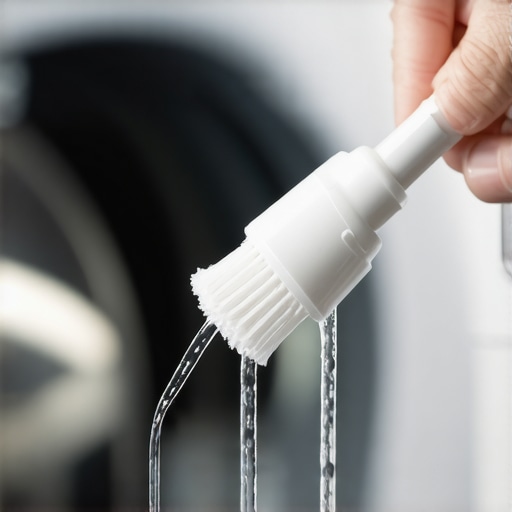
Ever stood at your driveway on a chilly morning, ready to clean your windshield, only to find your washer fluid barely dribbling out? That frustrating moment where your plans for a clear view are suddenly blocked by a stubborn clog. I’ve been there more times than I care to admit, and let me tell you—it’s a classic auto annoyance that can quickly turn into a real headache. But here’s the truth: you don’t have to spend a lot of time or money to fix it. Today, I’m going to show you a simple, proven way to clear that clogged washer nozzle in seconds, restoring that powerful stream of fluid to keep your windshield clear and your safety intact.
Why Clearing Your Washer Nozzle Matters More Than You Think
Keeping your windshield washer system in top shape isn’t just about convenience; it’s a crucial part of safe driving. When the nozzles clog, your visibility drops, especially in bad weather. A blocked nozzle can be caused by dirt, debris, or mineral deposits from your washer fluid. Over time, these tiny obstructions build up, narrowing or completely blocking the spray. This simple issue can sneak up on you and, if left unattended, may force you into a dangerous situation on the road.
Think about this: according to recent studies, poor visibility causes over 50% of vehicle accidents during rain or snow. That’s a staggering statistic that emphasizes how vital it is to keep those nozzles clear. But here’s where I went wrong early on—rushing to replace parts or buy expensive tools when all I really needed was a quick, effective technique I learned from a seasoned mechanic. Trust me, a little know-how can save you a bundle.
If you’d like to explore more essential auto repair strategies that can keep your vehicle running smoothly, check out my comprehensive guide on [essential auto repair strategies for frequent drivers](https://repairmycarpro.com/essential-auto-repair-strategies-for-frequent-drivers). Now, let’s get into the fun part—how to unclog your washer nozzle in seconds and restore that crisp jet of fluid that keeps your windshield spotless.
Prepare Your Tools and Environment
Before diving into cleaning, gather a few simple items: a straight pin or needle, a small bowl of warm water, and some rags. Park your car in a well-lit, safe area with the engine turned off, ensuring your safety and convenience. This prep makes the process quick and mess-free, avoiding frustration mid-task.
Locate and Identify the Nozzle
Most windshield washer nozzles are positioned at the base of the windshield, attached to the hood or the wipers. Gently inspect these little jets on each side. If you notice a lack of fluid spray or uneven streams, your nozzles are likely clogged. I learned this tip during a rainy day when a weak spray made my visibility hazardous, and quickly realized the importance of keeping these tiny nozzles clear.
Clear the Obstruction Using a Needle
Insert the straight pin or needle into the nozzle’s opening carefully. Apply gentle pressure to dislodge dirt, debris, or mineral deposits. Think of this step as a dentist gently removing plaque—precision is key to avoid damaging the delicate parts. I once accidentally pushed too hard and poked a tiny hole in the nozzle, leading to a replacement; so, patience is essential here. Sometimes, the clog crumbles and loosens, restoring the clean jet of fluid.
Tip: Use a Light Touch for Best Results
Applying excessive force can deform or damage the nozzle. If resistance is high, soak the nozzle in warm water for five minutes to loosen deposits. This warm bath softens mineral buildup, making cleaning easier without risking damage.
Flush the Nozzle with Water
After removing the clog, gently spray water through the nozzle or use the built-in washer function. This rinses out residues, ensuring a clear spray. If the nozzle was severely blocked, repeat the cleaning process or move the pin to different angles. I recall a time when I cleaned one side, only to find the other still clogged; a second pass cleared both effortlessly. It’s a simple step that guarantees the spray’s strength and accuracy.
Test the Spray for Effectiveness
Start your vehicle and activate the windshield washer system. Observe the spray pattern—ideally, a strong, even jet. If it’s still weak or uneven, repeat the cleaning procedures. Sometimes, mineral deposits from homemade washer fluid cause stubborn clogs, which can be prevented by using quality fluids, as discussed in oil change innovations.
Prevent Future Clogs
To keep nozzles clear longer, switch to high-quality washer fluids that resist mineral buildup and avoid debris-laden water sources. Regularly inspect and gently clean nozzles during routine washes or maintenance. This proactive step saves you time and keeps your view crystal clear, especially vital during adverse weather conditions. Remember, clean nozzles mean safer driving and less stress on your vehicle’s components.
Challenging Common Beliefs About Brake Maintenance
Many assume that brake pads are the primary culprit when braking issues arise, but in my experience, neglecting the importance of rotors and calipers can lead to premature component failure. This misconception leads car owners to replace pads repeatedly without addressing underlying problems, which is both costly and ineffective. A thorough understanding of how braking components work together—as explained in the comprehensive brake guide—can help you avoid the trap of unnecessary replacements.
Why Your Oil Change Isn’t Just a Quick Fix
Everyone knows that regular oil changes extend engine life, but few realize the significance of choosing the right type of oil. Synthetic oils, for instance, provide superior protection against engine wear and heat, especially in modern high-performance engines. Using conventional oil in advanced engines is a common mistake that can cause long-term damage. Additionally, neglecting to replace oil filters promptly can lead to circulation of debris, reducing lubrication efficiency. Explore this article for insights on smarter oil maintenance practices.
Vehicle Diagnostics Can Be Tricky When You Think It’s Simple
Many drivers rely solely on dashboard warning lights to diagnose issues, but this is where misconceptions often creep in. For example, a blinking check engine light doesn’t always mean a serious engine failure; it could indicate minor sensor glitches or emissions issues. Advanced diagnostics, such as precise vehicle diagnostics, reveal tiny anomalies before they escalate, saving you money and preventing breakdowns. Misinterpreting warning signals or delaying professional diagnosis can turn a simple fix into a costly repair. Remember, an expert’s assessment prevents small problems from snowballing.
What About Brake Service? Are Some Myths Putting You at Risk?
There’s a dangerous myth that only replacing pads is enough to ensure safety. In reality, a comprehensive brake service involves inspecting rotors, calipers, master cylinders, and brake lines. Overlooking these parts can lead to uneven wear, brake failure, or even accidents. This misconception can be dangerous, especially as worn rotors can cause pulsation and reduce stopping power. To get a balanced view, check out myth-busting brake info. Proper brake maintenance is about the whole system, not just pads.
Why do some brakes squeal even after replacing pads?
This question highlights a common advanced mistake: neglecting to resurfacing rotors during pad replacement. Residual grooves or uneven surface finishes can cause noise, decreasing braking performance. Properly pairing pads with correctly machined rotors ensures optimal contact and quiet operation. This nuance is often missed by DIYers eager to save time and money, but it emphasizes the importance of comprehensive brake service.
In summary, these misconceptions and overlooked nuances can lead to unnecessary expenses, safety risks, and shortened vehicle lifespan. To stay ahead, digging into the details and trusting professional assessments are key. Regularly update your knowledge with expert resources and avoid the pitfalls of superficial repairs. For more tips on keeping your vehicle at peak performance, visit essential auto repair strategies. Have you ever fallen into this trap? Let me know in the comments and share your experiences!
Investing in Quality Tools for Long-Term Success
Consistency in auto maintenance starts with having the right tools. Personally, I swear by a good digital multimeter because it allows me to diagnose electrical issues precisely, saving time and guesswork. For brake inspections, a high-qualitymechanic’s stethoscope helps pinpoint squeals or vibrations, identifying problems before they escalate. When it comes to oil changes, asticky valve core removal tool makes replacing valves easier and prevents cross-threading, especially useful if you perform routine fluid checks regularly. Using durable, professional-grade tools not only extends their lifespan but also enhances your diagnostic accuracy.
Harnessing Software for Better Vehicle Diagnostics
Modern cars rely heavily on electronics, so software plays an increasingly vital role. I recommend investing in anOBD-II scanner like the BlueDriver, which connects via Bluetooth to your smartphone. It provides detailed error codes, real-time sensor data, and can even clear check engine lights. The advantage? It empowers you to assess problems yourself, prioritize repairs, or troubleshoot before heading to a mechanic, ultimately saving money. Vehicle diagnostics are becoming more accessible and reliable with such tools, especially when coupled with online repair guides.
Establishing Routine Maintenance Habits
Consistency is key to keeping your vehicle in prime condition. Schedule regular oil changes using innovative products like synthetic blends or full synthetics, which I personally prefer for their durability and performance. Following oil change technologies ensures you’re selecting products that extend engine life. Also, don’t forget simple practices like inspecting brake pads, rotors, and fluid levels monthly. Maintaining cleanliness around components and lubricating moving parts prevents corrosion and premature wear, effectively boosting vehicle longevity. Remember, proactive maintenance reduces costly repairs down the line and keeps you on the road longer.
How do I maintain vehicle health over time? Keep a detailed repair log and schedule expert inspections annually. Using aservice checklist can help track the status of key components and prevent surprises, ensuring each system functions harmoniously.
In the future, I predict vehicle maintenance will become even more automated, with smarter diagnostics integrated directly into car systems, alerting drivers to issues before symptoms appear. Embracing current tools and best practices today positions you well for this upcoming evolution. If you’re ready to take your vehicle upkeep to the next level, try implementing a routine with an advanced scanner combined with quality lubricants. Taking these steps now can save you money and stress in the long run, as detailed in auto repair hacks. Don’t wait—start using a diagnostic scanner today and experience the difference in your vehicle’s performance.
What I Didn’t Expect About Simple Auto Fixes
One of the most surprising lessons was how often the simplest solutions—like using a needle to clear a clogged washer nozzle—are overlooked by DIY enthusiasts. I once spent hours trying to replace parts before realizing that a tiny pin could fix the issue instantly, saving me time and money. This taught me that patience and attention to detail often outweigh expensive tools and complex procedures.
Why Rushing Can Lead to Costly Mistakes
I learned the hard way that skipping a proper inspection before a brake pad change can result in uneven rotor wear or noisy brakes later. Taking just a few extra minutes to review the entire system—like I discuss in this comprehensive brake guide—can prevent future headaches. Careful, methodical work pays off in long-term vehicle health.
The Power of Consistent Maintenance
Regularly checking fluid levels, inspecting brake components, and using quality products makes a huge difference in vehicle longevity. I realized that establishing a maintenance routine isn’t about reacting to problems but preventing them—kind of like how routine oil changes with synthetic oil extend engine life, as outlined here.
Key Tools That Saved My Day
Investing in reliable diagnostic tools, such as an OBD-II scanner, changed how I approach repairs. It gave me quick insights into hidden issues, saving both time and unnecessary trips to the mechanic. Having the right tools empowers you to take control of your vehicle’s health and makes DIY repairs smoother and more confident.
Embracing Learning and Resourcefulness
I discovered that constantly seeking knowledge—whether through trusted guides, seasoned professionals, or advanced diagnostics—ensures I don’t repeat mistakes. For instance, understanding the nuanced differences between rotor resurfacing and pad replacement helped me avoid squeals and vibration issues. Continuous learning transforms auto maintenance from a chore into an empowering hobby.