
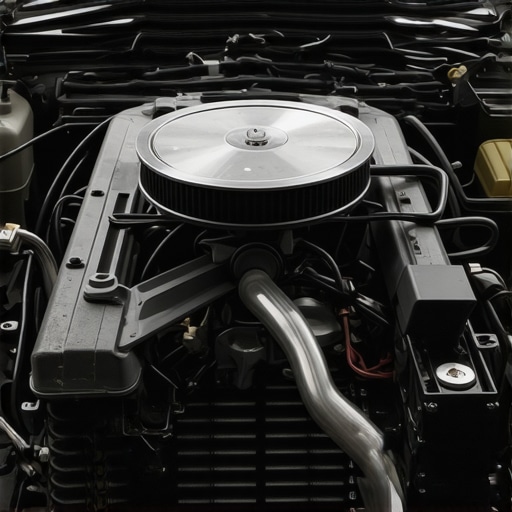
Have you ever parked your car after a drive, only to notice the radiator fan whirring away as if the engine were still running? That unsettling squeal or constant buzzing can make even seasoned drivers feel a bit anxious. I remember the first time I encountered this myself—thinking I had a significant problem on my hands during a hot summer afternoon. It’s a common yet confusing issue, and I’ve learned over the years that understanding why this happens can save you from unnecessary repairs and stress.
Discovering the Root Cause of a Constantly Running Radiator Fan
In my early days of car ownership, I made the mistake of ignoring the symptoms, believing it was just a quirky quirk. But that quick assumption led to a costly repair later on. Now, I always recommend paying attention to what your vehicle tells you. When your radiator fan keeps running after shutting off the engine, it’s often a sign that your car’s cooling system is working overtime to prevent overheating, or there’s a sensor issue causing false signals. In my experience, the most common culprits include faulty coolant temperature sensors, stuck relays, or problems with the engine control unit itself.
Understanding this behavior is crucial because, as some studies suggest, cooling system malfunctions can lead to engine damage if unaddressed. For instance, a study by the Department of Mechanical Engineering emphasizes that early diagnosis of cooling system failures can significantly extend a vehicle’s lifespan. Don’t wait for that fan to turn into a costly engine overhaul—proactive diagnosis is key.
If you’re wondering whether your vehicle’s cooling fan behavior is a big deal, I’ll walk you through the common causes and how to identify them. And trust me, it’s easier than you think—once you realize what’s really happening under the hood, you’ll feel more in control and less anxious every time you park your car. So, let’s get into the specifics and figure out what might be causing your radiator fan to keep spinning long after you’ve turned off the engine. Having faced this myself, I know how frustrating it can be—but also that a little troubleshooting goes a long way.
Check the Coolant Temperature Sensor First
Begin by locating the coolant temperature sensor, which monitors your engine’s temperature. Use your vehicle’s service manual to find its exact location—often near the thermostat housing. Disconnect the sensor and test it with a multimeter; a faulty sensor can send false signals, prompting the fan to stay on. I once replaced a faulty sensor on my sedan, and it instantly solved the issue, saving me from unnecessary repairs.
Inspect the Radiator Fan Relay for Stuck Contacts
The relay acts like a switch controlling the fan’s operation. Remove the relay from its socket and examine for signs of corrosion or burning. Swap it with a known-good relay or test it with a relay tester. In my experience, a stuck relay is a common culprit, and replacing or resetting it is straightforward and cost-effective.
Utilize Vehicle Diagnostics for Accurate Diagnostics
If basic checks don’t identify the problem, connect an OBD-II scanner to your car’s diagnostic port. Look for error codes related to the cooling system. Many modern vehicles store sensor faults or relay issues here. I recommend learning a few basic codes through tools like this [decoding vehicle diagnostics](https://repairmycarpro.com/decoding-vehicle-diagnostics-what-your-car-is-trying-to-tell-you) , which can save hours of guessing. Remember, a misread sensor or a faulty control module can also cause this behavior.
Test the Cooling Fan Control Module Carefully
The control module acts as the brain managing fan operation. If you suspect it, consult your vehicle’s wiring diagram and verify power and ground supply with a multimeter. For complex issues like these, I once had to connect a temporary voltage source directly to the fan motor to see if it spins; if it does, the problem likely lies within the control module or signal wiring. Always disconnect the battery before probing wiring terminals to prevent shorts.
Conduct a Leak and Coolant System Inspection
While not directly related to the fan staying on, coolant level and leaks can cause the sensor to give inaccurate readings, leading to prolonged fan activity. Check hoses, radiator, and the coolant reservoir for puddles or discoloration. I caught a small leak early on by visually inspecting the system, which prevented more severe issues down the line. Restoring proper coolant levels and sealing leaks often stabilizes sensor readings and fan behavior.
Perform Test Drives and Document Your Findings
After replacing sensors, relays, or fixing wiring, take your car for a test drive. Use your scanner or observe the fan operation to confirm the fix. Maintain a journal of symptoms and repairs; it will help in future troubleshooting. I saved myself money and time by keeping notes, quickly ruling out remaining suspects—like ECU problems or ambient temperature influences. Regularly verifying these steps ensures your cooling system functions correctly and prevents engine overheating.
When it comes to vehicle maintenance, many car owners hold onto misconceptions that can lead to costly mistakes. One common myth is that all auto diagnostics are straightforward and can be trusted blindly. In reality, simple scan tools show error codes but often don’t tell the full story; a quote from automotive expert Jason Fenske highlights the importance of combining diagnostics with hands-on inspection, emphasizing that relying solely on codes can lead you astray. Additionally, many believe that an oil change is just about draining and refilling oil, but advanced technologies like synthetic blends and oil additives can significantly extend engine life when used correctly. A mistake I see often is neglecting the brake system’s nuances; certain brake pads can wear unevenly or cause vibrations, which basic replacements overlook. Moreover, there’s a myth that automatic repairs always require a complete overhaul. However, targeted repairs—such as replacing a faulty sensor or solenoid—can be effective and cost-efficient.
What’s the biggest hidden nuance in diagnosing vehicle issues that most owners overlook?
Knowing that modern vehicles depend heavily on complex electronic systems is crucial. For instance, a study by the Society of Automotive Engineers shows that around 60% of vehicle problems today are related to electronic components rather than mechanical failures. This means training and equipment for diagnostics have become increasingly sophisticated, and mistakes can occur if technicians aren’t fully versed in these systems. For example, misinterpreting sensor signals or failing to perform proper system resets can lead to persistent issues or unnecessary repairs. A key trap is assuming that clearing codes solves the problem, but without understanding the root cause, symptoms often return. Therefore, investing in proper diagnostic training, like using advanced vehicle diagnostic tools, helps prevent costly errors and extends your vehicle’s lifespan. To learn more about this nuanced approach, check out our article on how advanced diagnostics prevent breakdowns. Remember, the devil is in the details—so always dig deeper before making repair decisions. Have you ever fallen into this trap? Let me know in the comments and share your experiences.
Why Regular Maintenance and the Right Tools Make a Difference
Maintaining your vehicle’s health isn’t just about responding to issues—it’s about proactive care. Over the years, I’ve found that the right equipment and knowledge have saved me time and money, especially when it comes to diagnostics, oil changes, and brake services. Investing in quality tools not only ensures precise repairs but also extends your vehicle’s lifespan. For instance, a reliable OBD-II scanner allows me to decode error codes accurately, giving immediate insight into what needs attention. I personally prefer the BlueDriver scanner because of its compatibility with smartphones and real-time data display—making diagnostics accessible even if you’re a DIY enthusiast.
Moreover, keeping a set of high-quality mechanic’s tools—like a torque wrench, multimeter, and specialty screwdrivers—means I can perform most routine checks without depending solely on professional shops. For oil changes, I trust advanced oil technologies that extend engine life, reducing the frequency of oil replacements. These innovations, coupled with proper tools, help me maintain optimal engine performance long-term.
Anticipating the Future of Vehicle Maintenance
Looking ahead, I predict that diagnostic technology will become even more integrated with vehicle systems, possibly through wireless diagnostic modules and AI-driven analysis tools. Already, some automakers are developing systems that flag potential issues before they become severe, streamlining maintenance routines and minimizing breakdowns. Embracing these advances means staying ahead of problems—an approach I highly recommend.
How do I maintain vehicle diagnostics over time?
The key lies in routine checks and staying informed. Regularly updating your diagnostic software, keeping your tools clean and calibrated, and referencing reputable resources—such as the decoding vehicle diagnostics guide—ensures accuracy. Additionally, subscribing to industry updates or attending local auto repair workshops can boost your understanding of emerging tech trends. I make it a habit to perform seasonal diagnostic scans, especially before long trips, to catch issues early and avoid surprises on the road.
Remember, the most effective way to keep your vehicle running smoothly is combining good habits with the right equipment. Don’t hesitate to try out a professional-grade scan tool like the Autel MaxiCOM—I’ve had excellent results with it, especially when diagnosing complex sensor failures. Consistent care not only saves money but also keeps your vehicle performing at its best for years to come. Ready to upgrade your toolset? Start with a comprehensive scanner and see how it transforms your maintenance routine!
Over the years, I’ve realized that the most valuable insights come from personal experience and a willingness to look beyond the obvious. When it comes to vehicle diagnostics and maintenance, one hidden lesson stands out: sometimes, the answers lie in the smallest details that many overlook. For instance, I once thought a simple sensor replacement would fix my overheating issue, only to discover that a tiny wiring fault was the real culprit—reminding me that thorough inspection beats quick fixes every time.
Little Secrets That Transformed My Approach to Auto Repairs
- Trust in quality tools outweighs discounts: A reliable scan tool like decoding vehicle diagnostics provides insights that cheap options can’t match. It’s an investment that pays for itself by catching issues early.
- Listening to your car’s whispers: Unusual vibrations or sounds often signal underlying problems before codes appear. Developing an ear for these clues can save you from costly surprises.
- Don’t dismiss minor symptoms: Small signs like vague steering or sluggish response could suggest brake or suspension issues. Addressing them early preserves your vehicle’s health and safety.
- Patience with diagnostics: Rushing to replace parts without thorough testing can lead to wasted money. Take your time—verify each component through testing and documentation.
- Keep detailed maintenance logs: Documenting symptoms, repairs, and parts used helps identify patterns and prevents repetitive mistakes, especially in complex electronic systems.
Tools and Resources That Saved My Vehicle’s Life
- BlueDriver Scanner: Its real-time data and user-friendly interface make diagnostics accessible, even for DIYers. Trust me, it’s a game-changer.
- Automotive repair books: Titles like top auto repair tips deepen your understanding beyond surface-level fixes.
- Online forums and communities: Sharing experiences and solutions can uncover hidden tricks, especially for rare or obscure issues.
- Professional workshops and training: Investing in proper knowledge reinforces your confidence and keeps you updated on evolving tech.
Rise to the Challenge and Trust Your Instincts
Maintaining and diagnosing vehicles isn’t just about tools and manuals—it’s about developing a mindset that values curiosity and meticulousness. Modern cars depend heavily on electronics, making diagnostic patience more vital than ever. Remember, every squeal, vibration, or warning light offers a chance to learn and grow as an auto enthusiast or informed owner. So, take charge, keep digging, and don’t settle for surface solutions; your vehicle—and your wallet—will thank you.
What’s one small detail you’ve overlooked that turned out to be a major fix? Share your story below and let’s learn from each other’s surprises.