
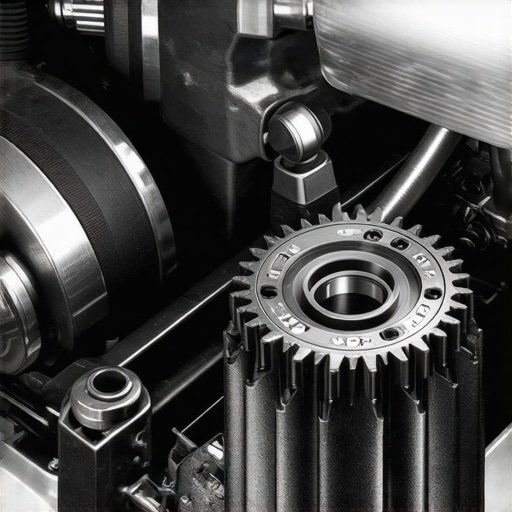
I remember the moment vividly: cruising down the street, shifting gears smoothly, when suddenly, that awful grinding noise pierced the quiet of my morning commute. It wasn’t the clutch slipping—no, it was something else. That unsettling sound made me pause and think, “Is my transmission about to give out?” For a long time, I believed my car’s weird noise was just a weird quirk or an unavoidable wear-and-tear issue. But after some research and personal trial-and-error, I discovered it’s often a sign of underlying problems that can be tackled before they become costly nightmares.
In this post, I’ll share exactly what causes that grinding when you shift that isn’t related to your clutch. We’ll decode the mysteries behind this noise and, more importantly, how you can address it with simple checks and fixes. If you’re tired of that grind ruining your drives or worrying you about expensive repairs, you’re in the right place.
Don’t Ignore That Noise: Here’s Why It’s a Bigger Deal Than You Think
Many drivers brush off a grinding sound during shifting, chalking it up to normal wear or just bad luck. But the truth is, this noise can indicate issues such as low transmission fluid, worn synchronizers, or damaged gears—problems that, if left unchecked, can lead to complete transmission failure. The good news? Most of these issues are fixable if caught early.
Early in my troubleshooting journey, I made the classic mistake of ignoring the sound, hoping it would go away on its own. Spoiler alert: it didn’t. Instead, it worsened, leading to more expensive repairs. That’s why I urge you to pay attention to any odd noises from your vehicle. By learning to identify the signs early, you can avoid costly breakdowns and keep your driving smooth.
For a comprehensive overview, check out [this article on vehicle diagnostics](https://repairmycarpro.com/vehicle-diagnostics-explained-easy-checks-before-your-road-trip) which explains how proper diagnosis can save you a fortune and keep you road-trip ready.
Now that you know why you should care, let’s dive into the common causes behind that annoying grinding sound and how you can troubleshoot it yourself before seeking professional help.
Start with a Visual Inspection
Begin by parking your car on a level surface, engaging the parking brake, and opening the hood. Look for obvious issues like low transmission fluid levels, leaks, or damaged components. Check the transmission fluid dipstick, if accessible, and ensure the fluid isn’t dark or smells burnt. If needed, top up with manufacturer-recommended fluid, but only if you’re confident—otherwise, proceed to more detailed checks.
Listen and Feel for Patterns
Pay attention to when the grinding occurs—during cold starts, warm idle, or high RPM shifts. Note if the noise is consistent or sporadic, and whether it happens in all gears or just specific ones. A helpful analogy is to think of your transmission as a team of dancers synchronizing their moves; if one dancer is out of step, the entire routine suffers. Your sensory observations are the first clues to isolate the cause.
Use a Diagnostic Scanner to Decode Error Codes
Modern vehicles are equipped with sensors and electronic modules that communicate issues. Connecting an OBD-II scanner can identify error codes related to transmission or sensors. If codes appear, reference a diagnosis guide to interpret the results. Remember, a code like P0700 indicates transmission control system problems, which may lead to grinding during shifts.
Test the Transmission Fluid
After ensuring the vehicle is cool, check the transmission fluid level and quality. Use a clean cloth to wipe the dipstick, then reinsert and remove it to read the level. The fluid should be reddish and translucent. If it’s dark, cloudy, or has a burnt smell, it’s time for a replacement—this simple step can often solve shifting noises. For detailed procedures, see oil change tips.
Perform a Test Drive with Focused Attention
Take your car for a controlled drive in an area free of traffic, shifting through all gears smoothly—notice any noises or resistance. If grinding persists, gently accelerate to see if the problem worsens at higher speeds. This practical step helps determine if the issue is mechanical or sensor-related. Remember, your goal is to mimic real driving conditions to gather accurate clues.
Check the Synchronizers and Gears
This step involves more technical inspection, often requiring removing the transmission. If you’re comfortable with DIY auto repair, consult a repair manual or professional resources. Typically, worn synchronizers cause grinding when shifting into specific gears. Listen for grinding only in certain gear changes, which narrows down the culprit.
Assess the Drive Shaft and Clutch (If Applicable)
For manual transmissions, a slipping clutch can mimic grinding noises. Check for clutch pedal play, and if the clutch feels spongy or slips, it might need adjustment or replacement. For automatics, inspect the drive shaft for damage, as bent or worn components can also manifest as grinding or jerking during shifts.
Final Step: Seek Professional Diagnosis
If you’ve completed these steps and still experience grinding, it’s wise to consult a professional technician. They can perform advanced diagnostics—using specialized tools—to pinpoint the exact cause. Ignoring persistent issues risks severe damage, so early intervention saves money and safety in the long run.
Many drivers operate under misconceptions that can sabotage their vehicle’s longevity. One prevalent myth is that regular oil changes are purely a matter of sticking to a timeline, but the real nuance lies in understanding the specific oil type and driving conditions, which can significantly impact engine health. Relying solely on the mileage interval without considering factors like short trips or frequent traffic stops can lead to prematurely changing oil, wasting money, and risking engine wear. For precise guidance, consult advanced oil change strategies focused on your driving profile.
Another area where misconceptions thrive pertains to vehicle diagnostics. The common belief is that a quick code scan offers all the answers, yet this oversimplification ignores the importance of interpreting such data correctly. Error codes like P0700, often shrugged off as minor issues, can actually indicate underlying problems with transmission components that, if assessed with proper diagnostic techniques, reveal deeper mechanical failures. Neglecting this nuance can lead to overlooking critical warning signs until costly repairs become unavoidable.
In the realm of brake service, many believe that changing pads cures all issues, but the reality involves a thorough inspection of rotors, calipers, and hydraulic lines. Rushing into pad replacement without assessing these components may result in uneven wear or brake pulsation, which compromises safety. Learn more about common misconceptions in brake repair myths and avoid the pitfalls.
A subtle yet impactful mistake involves neglecting to verify the condition of ancillary systems like coolant hoses or drive belts during routine service. These parts wear silently yet can cause significant damage if not monitored. For instance, a cracked belt can lead to engine overheating or loss of power steering, often misdiagnosed if only the primary systems are examined.
Finally, advanced mechanics recognize that a personalized maintenance approach—tailored to driving habits, environmental factors, and vehicle history—trumps generic schedules. The industry expert, vehicle diagnostics specialists, stress the importance of comprehensive evaluations to catch issues early and extend vehicle lifespan.
Are you guilty of any of these misconceptions? Understanding the hidden nuances can save you money and keep your vehicle reliable. Make sure to stay informed and proactive. Have you ever fallen into this trap? Let me know in the comments.Maintaining your vehicle over time requires more than just regular oil changes — it involves a strategic approach to diagnostics, repair, and scaling your efforts efficiently. I personally rely on a combination of specialized tools and software that have proven indispensable in diagnosing issues early, saving money, and extending vehicle lifespan.
One of my top recommendations is investing in a quality OBD-II scanner, such as the Autel MaxiScan MS300. Unlike basic code readers, this device provides comprehensive error codes and live sensor data, enabling precise diagnostics without the need for a mechanic. This tool is especially valuable for troubleshooting transmission or engine issues, where pinpoint accuracy can prevent unnecessary repairs.
For deeper inspection, I use a mechanic’s stethoscope to listen to components like the transmission, alternator, or cooling fan during operation. It’s surprisingly simple yet effective—allowing me to detect irregular noises or vibrations that indicators of impending failure. Combining this with a thermal gun helps spot overheating parts before they become a safety concern.
When it comes to software, I prefer Vehicle Diagnostics software compatible with my laptop. These programs, like OBDeleven or Torque Pro, connect via Bluetooth or Wi-Fi and decode complex vehicle data streams. They empower me to interpret sensor readings, identify trends over time, and plan maintenance proactively. Given the trend towards smarter vehicles equipped with advanced electronics, embracing diagnostic software is the way of the future.
Regularly maintaining transmission fluid and performing oil analysis using test kits also form part of my routine. These kits reveal contamination or metal particles indicative of wear, guiding me on whether a simple fluid change suffices or if a more extensive repair is necessary.
How do I maintain vehicle diagnostics and repair techniques over time? Consistent education is key—keeping up-to-date with the latest tools and software updates ensures your methods evolve with vehicle technology. Also, establishing a maintenance schedule based on manufacturer recommendations and personal driving habits helps in early issue detection.
Looking ahead, I predict vehicle diagnostics will become increasingly automated, with AI-driven systems that monitor and alert you remotely, possibly integrating with your smartphone. DIYers will significantly benefit from this trend, gaining access to real-time health reports without specialized knowledge.
To start integrating these tools into your routine, I recommend trying out an advanced diagnostic software for your vehicle. Beginning with a free trial or demo version can give you a feel of how it streamlines troubleshooting and maintenance planning. Properly maintaining your diagnostic tools and methods not only saves money but ensures your vehicle remains reliable for years to come. For more in-depth strategies, explore this guide on vehicle diagnostics.
Lessons I Didn’t Expect to Learn About Auto Repair and Diagnostics
One unexpected lesson was realizing that DIY tests, such as simple fluid checks or listening for unusual noises, often reveal more than I initially thought. These small steps serve as early warning systems, saving me from costly repairs down the line.
Another insight was understanding that not all symptoms are directly caused by the component they seem connected to—like a grinding noise not always indicating worn brakes, but sometimes an issue elsewhere in the suspension or alignment.
Lastly, I learned that ongoing education, whether through trusted resources or hands-on experience, dramatically improves confidence in handling minor repairs and diagnostics, making me less dependent on expensive mechanic visits for routine issues.
Tools and Resources That Changed My Approach to Vehicle Care
- OBD-II Scanners: Devices like the Autel MaxiScan MS300 transformed how I interpret error codes, turning complex diagnostics into manageable tasks. They bridge the gap between guesswork and certainty.
- Online Guides and Forums: Trusted sites such as vehicle diagnostics explained offer step-by-step instructions and community support that make troubleshooting accessible and less intimidating.
- Educational Books: Titles like “Auto Repair for Dummies” helped me build foundational knowledge and approach repairs systematically, boosting my confidence in tackling tougher issues.
- Local Workshops and Seminars: Participating in hands-on classes opened my eyes to proper techniques and common pitfalls, making future DIY efforts more successful and safer.
Take Control and Keep Your Vehicle Running Strong
Maintaining your car’s health isn’t just about following fixed intervals—it’s about staying curious, informed, and proactive. By equipping yourself with reliable tools and knowledge, you empower yourself to handle many issues before they escalate, saving money and extending your vehicle’s lifespan. Remember, every repair you manage yourself reinforces your understanding and connection to your vehicle, turning a routine maintenance task into a rewarding experience.
What’s the first small step you’re willing to take today to better understand your vehicle? Share your plans below and get started on a smarter, more confident approach to auto care.