
One morning, I was all set for my usual commute when I lightly pressed my brake pedal—only to feel that unsettling softness, like pressing on a marshmallow instead of a solid surface. It dawned on me then—despite having just bled the brakes, why did they still feel so spongy? That moment of frustration turned into my mission to crack this mystery, and I want to share what I learned with you.
The Hidden Culprits Behind That Squishy Brake Feel
It’s a common scenario: you think you’ve done everything right—bled the brakes, replaced the fluid—and still, the pedal feels strange. That lingering sponginess can be caused by several sneaky issues, often overlooked by DIYers and even some pros. From contaminated brake fluid to hidden air pockets, these little bugs can undermine your safety and confidence on the road.
Is Bleeding the Only Solution? Not Always!
Early in my repair adventures, I had the biggest mistake of relying solely on bleeding. Turns out, if the brake fluid is contaminated or old, it won’t matter how many times you bleed; the problem persists. According to brake service experts, replacing old or contaminated brake fluid is crucial. Did you know that old brake fluid can absorb moisture, leading to corrosion and even spongy brakes? It’s no joke—regular maintenance matters. To learn more about effective brake improvements, check out this brake service myth-busting article.
Are You Facing This on Your Commute?
If you’ve experienced the nagging sensation of soft brakes despite following standard procedures, you’re not alone. This article aims to help you uncover the hidden reasons behind this issue, so you can ensure your vehicle’s safety and save money in the long run. Ready to dive into the real causes and get your brakes working just right? Let’s go through some practical steps that demystify this common automotive headache and empower you to tackle it confidently.
Start with a Visual Inspection
Before diving into complex repairs, check your brake fluid level and condition. Low or contaminated fluid often causes sponginess. Pull the hood and locate the brake master cylinder—if the fluid is below the minimum mark or looks dark and gritty, a flush is needed. I recall a time I found rusty, black fluid in my car, which immediately led me to replace it, vastly improving pedal feel.
Flush and Replace Brake Fluid Correctly
To flush the system, attach a clear tubing to the bleed screw of each wheel. Have a friend pump the brake pedal several times—like squeezing a sponge—then open the bleed screw to release old fluid while someone else keeps the pedal pressed down. Repeat until fresh, clean fluid flows out. Remember, replacing contaminated fluid prevents moisture buildup that causes sponginess—this is a crucial step over just bleeding. For detailed guidance, visit our brake service article.
Check for Air Pockets in the System
Air trapped in brake lines acts like tiny cushions, softening pedal response. To eliminate air, you might need to perform a ‘power bleeding’ process, which involves using a special tool or a pressure bleeder to force fluid through the system—similar to squeezing a ketchup bottle until nothing but pure fluid comes out. I once used a pressure bleeder from a local parts store and watched the pedal firm up after just a few cycles, restoring accurate brake feel.
Inspect Brake Components for Wear
Worn master cylinders or brake calipers can cause inconsistent pressure, leading to sponginess. Examine the brake calipers, brake pads, and discs for uneven wear or leaks. A leaking seal in the master cylinder can allow air ingress, compromising pedal firmness. Replacing faulty components often turns a mushy pedal into a solid response, saving you from dangerous driving conditions. For tips on component inspection, see our auto repair tips.
Test and Confirm Your Repairs
After completing the above steps, press the brake pedal firmly several times. It should feel firm and responsive, not soft or spongy. Take a cautious test drive to verify pedal firmness during actual braking. If issues persist, consider examining brake lines for leaks or corrosion, or consulting a professional for a more in-depth diagnosis. Remember, safety comes first—never ignore brake system warnings or persistent pedal softness. For more diagnostic techniques, explore our vehicle diagnostics guide.
Many car enthusiasts and even seasoned DIYers fall prey to misconceptions rooted in outdated advice or superficial understanding of complex systems. One prevalent myth is that simply replacing a part fixes the entire problem—like changing brake pads to resolve a caliper sticking issue. In reality, advanced auto repair demands a nuanced approach that considers the entire system’s health, including hidden factors like corrosion, improper installation, or subtle leaks. Relying solely on part swaps often masks underlying problems, leading to recurring failures or more severe damage over time.
Another common trap is oversimplifying diagnostics based solely on visual cues or code readers. While OBD-II scanners are invaluable, they can’t replace a thorough understanding of vehicle behavior and symptom analysis. For example, a flashing check engine light during acceleration might hint at misfires, but ignoring related symptoms like rough idling or fuel economy drops can lead to missed diagnoses. Advanced diagnostic techniques, such as oscilloscope readings or smoke testing for vacuum leaks, can uncover issues that basic scans overlook. According to automotive expert Dr. John Davis, “A comprehensive diagnostic approach not only saves money but also enhances safety and prolongs vehicle lifespan.”
What sophisticated clues should a passionate DIYer or technician look for beyond the obvious?
Exposing these hidden nuances requires a blend of experience, technical knowledge, and a willingness to dig beneath the surface. For instance, irregular brake pedal feel can stem from subtle issues like titanium piston corrosion inside calipers or contaminant buildup in ABS sensors, which are often missed in routine inspections. Regularly consulting technical service bulletins (TSBs) and staying updated with the latest repair innovations can prevent costly errors. To deepen your understanding and avoid these pitfalls, explore resources like our auto repair hacks and advanced diagnostics guide.
Always remember: rushing to fix a symptom without investigating root causes can lead to wasted time and money. For example, assuming a noisy oil pump is due to a worn bearing might overlook a misaligned timing chain or contaminated oil passage. Hence, meticulous inspection, cross-referencing symptoms, and leveraging advanced tools are essential. Don’t fall into the trap of superficial fixes; instead, embrace a diagnostic mindset that seeks out the ‘hidden’ issues, ensuring longevity and safety for your vehicle.
Have you ever fallen into this trap? Let me know in the comments.

Keeping Things Running Smoothly: My Top Tools and Maintenance Tips
Maintaining a vehicle’s optimal performance isn’t just about replacing parts; it’s about using the right tools and adopting effective methods that ensure long-term reliability. Over the years, I’ve honed my toolkit to include precise instruments that make diagnostics and repairs more efficient and accurate. From digital multimeters to specialized brake caliper tools, each piece serves a specific purpose that cuts down repair time and boosts confidence.
One indispensable device is the OBD-II scanner. Unlike generic code readers, my preferred model provides real-time data and advanced diagnostics, allowing me to pinpoint issues like misfires or sensor failures proactively. This reduces guesswork, especially when symptoms are subtle or intermittent. Additionally, I rely on a good quality torque wrench with a click mechanism. Proper torque application ensures critical components, such as brake calipers or head bolts, are tightened to manufacturer specifications, preventing future failures and safety risks.
For fluid system maintenance, I use a power bleeder tool. This device applies pressure to the brake fluid reservoir, expelling air pockets and ensuring a firm pedal feel. It’s far more efficient than manual bleeding, saving time and reducing frustration. Regularly, I perform oil changes using high-quality synthetic blends, combined with a proper oil extractor to avoid unnecessary spills and ensure thorough draining.
When it comes to long-term vehicle health, I emphasize visual inspection tools like a mirror with an LED light and a magnifying glass. These help spot small leaks, corrosion, or wear before they turn into costly repairs. Additionally, I suggest utilizing apps or software that log maintenance history, such as AutoMate or Car Minder Plus. These programs remind you when services are due, helping extend your vehicle’s lifespan and avoid neglect.
Looking ahead, vehicle diagnostics are moving toward more integrated, AI-driven systems that will predict failures before they happen. Staying updated with tech like embedded sensor networks and advanced ECU diagnostics will be crucial. Implementing early diagnostic techniques today can save you from costly repairs tomorrow—take, for example, regularly scanning your vehicle with a high-end OBD-II device to catch issues early. For a comprehensive understanding, check out our auto repair tips.
How do I maintain vehicle diagnostics over time?
Consistent cleaning and calibration of diagnostic tools are essential. Keep your OBD-II scanner or software updated with the latest firmware and error codes from manufacturers. Regularly practicing test procedures, such as reading live data streams and testing sensors, builds familiarity and confidence. Moreover, pairing diagnostics with visual inspections enables you to verify electronic data with physical observations, ensuring more accurate assessments. Incorporate routine checks into your maintenance schedule, and don’t hesitate to consult advanced resources or communities for insights. By maintaining a proactive approach, you’ll catch potential issues early and keep your vehicle performing optimally for miles to come. Remember, a well-maintained vehicle is safer, more efficient, and costs less over its lifespan. To learn more about the best expert-verified maintenance routines, visit our auto repair advice.
One advanced tip I recommend trying today is using an ultrasonic cleaner to de-gunk sensors like MAF or oxygen sensors. Cleansing these with ultrasonic waves can restore their accuracy, leading to smoother engine operation and improved fuel economy. It’s a small step with big benefits—give it a shot and see the difference!
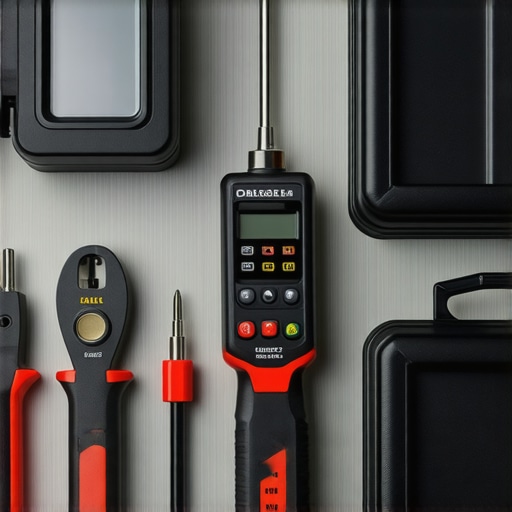
Image Description: A technician’s toolbox displaying various automotive diagnostic tools, including an OBD-II scanner, torque wrench, and ultrasonic cleaner, arranged neatly on a workbench. Alt: detailed view of professional auto repair tools, demonstrating precision equipment for vehicle maintenance. Title: Essential Tools for Auto Repair and Maintenance.
,
3 Lessons That Changed How I Approach Brake Troubleshooting
- Never assume a problem is fixed after a simple fluid change; always consider internal corrosion or contaminant buildup that might lurk beneath the surface.
- Air in brake lines isn’t always visible; regular use of a pressure bleeder can reveal hidden air pockets that the standard bleeding process can’t always eliminate.
- Diagnostic patience pays off—rushing into component replacements without thorough inspections often leads to recurring issues and wasted resources.
Tools and Resources I Trust for Auto Repair Success
- The auto repair tips section offers insights from experts who combine experience with proven techniques, guiding me through complex repairs confidently.
- An advanced vehicle diagnostics guide helps identify subtle signals that often get ignored, preventing small issues from becoming costly repairs.
- My trusty OBD-II scanner gives real-time data, empowering me to make informed decisions during troubleshooting sessions.
- The brake service resource ensures I adhere to safety standards, avoiding shortcuts that compromise performance.
Your Turn to Tackle Brake Mysteries
Understanding the nuanced causes behind brake sponginess has made me more confident on the road. Now, I encourage you to apply these lessons and tools—the results might surprise you. Remember, the best auto repair is rooted in patience, thoroughness, and continuous learning. Don’t hesitate to reach out or ask questions—your vehicle’s safety depends on it. Share your experiences below or contact us through our contact page to keep the conversation going.