
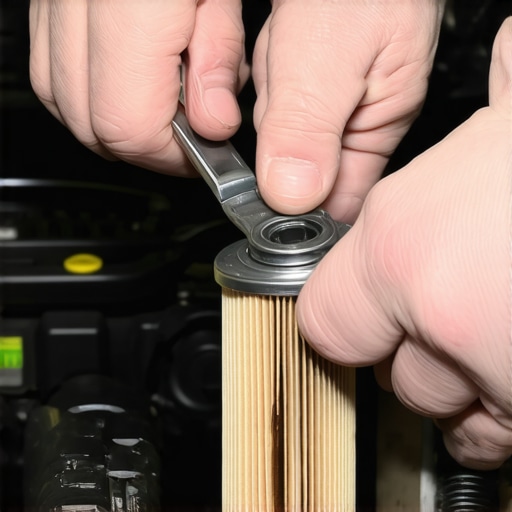
Ever been in a rush to change your oil, only to find that stubborn oil filter refusing to budge? I remember the first time I faced this frustration: the filter was so tightly stuck that I nearly gave up, thinking I needed a fancy wrench or even a trip to the mechanic. It was a real lightbulb moment for me—real auto DIYers don’t always have access to the right tools, but that doesn’t mean you’re out of options.
Today, we’re diving into a practical, no-nonsense approach to removing those stuck oil filters without any special equipment. If you’ve ever felt stuck (pun intended) in the middle of an oil change, this guide is for you. I’ll share the techniques I discovered through trial, error, and a bit of neighborly advice so you can tackle this common automotive headache confidently.
Why a Stuck Oil Filter Can Cause More Than Just Delays
A stubborn oil filter isn’t just an annoyance. It can lead to damaged threads, oil leaks, or incomplete oil changes—things that might seem minor but can seriously impact your engine’s health in the long run. Experts warn that forcing the issue with improper tools can make things worse; sometimes, you need a different approach altogether. Studies show that improper oil filter removal can cause up to $2,500 in engine repairs if debris or damage occurs from brute force [source: AAA Automotive]
Have you ever experienced this scenario firsthand? Perhaps you’re just trying to keep your car running smoothly, but that stuck filter is holding everything up. Trust me, I’ve been there—and I want to show you how I managed to pry mine loose without breaking the bank.
Now, let’s get into the real meat of this guide. No more excuses—just simple, effective methods to get that filter off and keep your engine happy.
Get Ready with Basic Supplies
Gather a pair of rubber gloves, old rags, and a flat screwdriver or pry bar. These everyday items will be your tools for the job—no special wrench needed. I recall doing this on my driveway, balancing a screwdriver against the filter to get enough leverage without risking damage.
Use a Rubber Strap or Belt
Wrap a sturdy rubber belt or a thick rubber band around the oil filter. Tighten it firmly, then grip the ends and turn counter-clockwise. The rubber grips better than bare hands, especially if the filter is greasy or corroded. I once managed to loosen a stubborn filter using this method after the usual tap with a wrench failed. The key is to ensure the rubber is tight and your hand strength is steady.
Leverage with a Flat Screwdriver
Insert a flat-head screwdriver between the top of the filter and the mounting surface. Carefully pry upwards while turning the filter counter-clockwise. Be gentle to avoid gouging the filter or damaging the engine block. I learned this trick when my neighbor’s car had a really stuck filter; I found that gentle, repeated prying loosened it without hassle.
Apply Penetrating Oil or Lubricant
If the filter is corroded or seized due to grime, spray a penetrating oil like WD-40 around the base. Let it soak for about 10 minutes to loosen rust and debris. After soaking, use your rubber strap or prying method. This step can make the difference between an hour-long struggle and a smooth removal. I’ve seen engine components freed easily after a quick application of lubricant.
Use a Makeshift Wrench with a Socket
If you have access to a socket set, attach a strap wrench or a makeshift rag-lined socket around the filter and turn. Alternatively, wedge a long-handled screwdriver or pry bar for extra torque, levering against nearby sturdy parts. This approach works well on larger filters. I once adapted a regular socket to grip a tight filter, which saved me a trip to the store for a specialized tool.
When All Else Fails, Consider Cutting the Filter
If the filter refuses to budge, carefully cut it open with a utility knife, ensuring no debris enters the engine. Remove the filter medium inside, then unscrew the remaining shell with pliers. This last-resort method demands caution, as sharp blades are involved. I only resorted to this after multiple attempts with other methods failed—it’s messy but effective.
Tips for Successful Removal
- Always turn the filter counter-clockwise to remove it.
- Avoid excessive force that might strip the threads or damage the housing.
- Wear gloves to grip greasy surfaces and protect your skin.
- Dispose of the old filter properly as per local regulations.
Removing a stubborn oil filter isn’t glamorous, but with patience and some resourcefulness, it’s entirely doable. Remember, the goal is to avoid damaging your engine or the surrounding parts—think of it as carefully peeling an onion rather than ripping a bandage off. For more insights into vehicle maintenance, check out top auto repair tips to extend your vehicle’s lifespan.
Many car owners believe they’ve got these fundamental services figured out, but in reality, there’s a layer of nuance that can make or break your maintenance routine. For instance, a common myth is that simply changing your brake pads or oil will keep your vehicle running perfectly—yet, overlooking details like the type of brake fluid or the specific oil formulation can lead to premature wear or costly repairs. It’s time to dig deeper into what most overlook, so your vehicle gets the proper care it deserves.
One **trap** I see often is the misconception that all brake fluids are the same. Many think topping off with any DOT-rated fluid suffices, but the truth is, using the wrong formulation can cause corrosion or brake failure over time. Experts emphasize the importance of choosing the right brake fluid for your vehicle model, especially considering its moisture content and boiling point. Regularly flushing your brake system with the correct fluid as per manufacturer specifications is vital. For advanced insights on brake maintenance, check out [Brake Service Myths Busted](https://repairmycarpro.com/brake-service-myths-busted-what-really-matters-for-safety).
Similarly, with oil changes, the *biggest mistake* is neglecting modern engine oil innovations. Many owners stick with conventional oils, unaware that synthetic blends or full synthetics can provide superior engine protection, especially in extreme weather or high-mileage scenarios. Using outdated oil types can accelerate engine wear, decreasing fuel efficiency and increasing emissions. I recommend reviewing innovative oil technologies that can extend your engine’s lifespan—discover more at [Oil Change Innovations](https://repairmycarpro.com/oil-change-innovations-technologies-that-save-your-engine).
From a diagnostic perspective, a crucial point often missed is the significance of advanced vehicle diagnostics. Many rely solely on check engine lights without understanding that sophisticated diagnostics can preempt breakdowns, saving hundreds or thousands of dollars. Modern tools can detect subtle sensor issues or vacuum leaks that standard OBDevs might miss. For a deeper understanding of diagnostics, see [Decoding Vehicle Diagnostics](https://repairmycarpro.com/decoding-vehicle-diagnostics-what-your-car-is-trying-to-tell-you).
**What most people miss about proper vehicle maintenance** is the importance of paying attention to *nuances*—the specific specifications, recommended procedures, and the science behind the components. Not every brake fluid or oil is created equal, and standard diagnostics often aren’t enough to catch emerging issues early. Overlooking these aspects can lead to unnecessary expenses, safety hazards, or reduced vehicle efficiency.
Always remember, small details matter more than you think. Regularly educating yourself on these nuances not only prolongs your car’s life but ensures you’re truly getting value from your maintenance routines. Want personalized advice on your vehicle? Visit our [Contact Page](https://repairmycarpro.com/contact-us) for expert tips tailored to your car’s needs. Have you ever fallen into this trap? Let me know in the comments.
Maintaining your vehicle’s performance over time relies heavily on using the right tools and adopting precise methods. As someone who’s spent countless hours tinkering in my garage, I can attest that having the right equipment isn’t just about convenience; it’s about ensuring safety and longevity for your car. For example, I always include a quality digital multimeter in my toolkit. It allows me to quickly diagnose electrical issues, such as faulty sensors or wiring problems, saving me both time and money. Similarly, a reliable OBD-II scanner, like the BlueDriver, provides real-time data and fault codes, empowering me to identify problems before they escalate to costly repairs. It’s a tool I personally use weekly to monitor my vehicle’s health, especially after long trips or rough weather.
Opting for Professional-Grade Equipment
When I upgrade my garage tools, I choose heavy-duty, automotive-grade equipment. For instance, my hydraulic jack supports more weight and lifts more steadily than cheaper alternatives, reducing the risk of accidents. The same goes for my ratchet wrenches; I favor forged steel tools with high torque capacity that withstand repeated use without rounding off fasteners. Investing in quality tools might seem expensive upfront, but they pay off through longevity and precision, ultimately preventing minor issues from becoming major headaches. Professional-grade tools also allow me to perform complex maintenance tasks, such as replacing timing belts or fuel injectors, with confidence and less frustration.
Applying Advanced Methods for Better Results
Beyond tools, I incorporate advanced techniques like using thermal imaging cameras to detect hot spots that indicate electrical faults or friction in braking components. This method, recommended by automotive experts, helps me catch problems early—well before warning lights appear. Pairing these tools with software like AutoEnginuity enables deep diagnostics and live data analysis, turning my garage into a makeshift auto repair shop. Looking ahead, I believe that vehicle maintenance will increasingly integrate AI-powered diagnostics, making preventive care more precise. For now, I suggest trying out a thermal imaging camera during routine inspections—it’s a game-changer for proactive maintenance.
How do I keep my vehicle running smoothly over time?
The key lies in regular monitoring and timely intervention, supported by these quality tools and techniques. For example, regularly scanning your vehicle with an OBD-II reader can reveal hidden issues that might cause breakdowns or damage if left unchecked. Consistent use of high-quality lubricants and replacing worn components before failure also extends your car’s lifespan. Remember, investing in the right tools now saves you money and stress later—it’s the smart way to keep your vehicle in top shape. For tailored advice on maintaining your specific car model, consider reaching out through our contact page. Don’t hesitate to try out a diagnostic scan this weekend and see what potential issues you can catch early—your vehicle will thank you for it.
Most of What I Learned Came from Getting My Hands Dirty
One of the biggest lightbulb moments for me was realizing that patience and a little ingenuity often trump specialized tools. I used to think I needed a fancy wrench to remove stubborn filters, but I discovered that improvisation, like using rubber bands or even careful cutting, can save the day. Trusting my instincts and taking small, deliberate steps prevented costly mistakes and kept my engine safe.
Another lesson was embracing the value of understanding my vehicle’s specific needs. Not all filters or oils are the same, and reading your owner’s manual or manufacturer recommendations can make a significant difference. Ignoring these details might seem easier at first, but it can lead to bigger headaches down the road. Real progress comes from paying attention to the unique requirements of your car.
Furthermore, I learned that preventive measures—like applying penetrating oil or inspecting components regularly—are investments that pay off. These simple, proactive actions can uncover issues early, saving you time and money. Over time, cultivating a DIY mindset grounded in knowledge and patience empowers you to handle problems confidently.
My Arsenal of Tools That Keep Me Ahead
Having a set of quality, automotive-grade tools is a game-changer. I swear by my digital multimeter for electrical troubleshooting and use a reliable OBD-II scanner, like BlueDriver, to catch faults before they escalate. These resources have transformed the way I maintain my vehicle, making diagnostics faster and more accurate. I also keep a sturdy hydraulic jack and forged steel wrenches because investing in high-quality equipment ensures safety and durability—saving me money in the long run.
Alongside hardware, I rely on trusted books like top auto repair tips to extend your vehicle’s lifespan and online resources that challenge me to learn more. Continually expanding my toolkit of knowledge and tools helps me approach maintenance with confidence and precision.
Embracing a Mindset That Keeps My Vehicle Happy
The most motivating aspect is recognizing that vehicle care is an ongoing journey. Instead of viewing repairs as emergencies, I see them as opportunities to learn and improve. Regular diagnostics, staying updated with technology, and adopting advanced methods like thermal imaging keep my vehicle reliable, safe, and efficient. It’s empowering to know that I can handle most issues with patience, the right tools, and a willingness to learn.
If you’re ready to take control of your auto maintenance, I encourage you to adopt a curious and proactive approach. Small actions, like scheduling periodic diagnostics or investing in quality tools, can make a huge difference in your vehicle’s lifespan and performance. Remember, every challenge is an opportunity to grow as a car owner and hobbyist. Want personalized advice for your specific vehicle? Reach out through our contact page—I’m here to help you succeed.
Unleash Your Confidence Behind the Wheel
You don’t have to be a professional mechanic to keep your car in top shape. With patience, the right knowledge, and a bit of resourcefulness, you can conquer even the most stubborn oil filters and tackle complex repairs. The key is to stay curious, keep learning, and enjoy the process of caring for your vehicle. Every step you take now builds a foundation of confidence that will serve you for years to come. So, are you ready to start applying these lessons today and discover just how capable you truly are?
Have you ever struggled with a stubborn oil filter or performed an unexpected repair? Share your experiences below—I’d love to hear what worked or what surprised you!
,