
Ever had that heart-stopping moment when you’re cruising down the road, and suddenly, your brakes scream like a banshee every time you hit a tiny pebble? I’ve been there, fumbling with the steering wheel, wondering what the heck was making that terrible noise. It’s a frustrating, almost embarrassing sound that just doesn’t sit right. That high-pitched squeal can turn a peaceful drive into an anxiety-inducing experience, especially when all you want is to enjoy a smooth ride.
Don’t Let Small Gravel Wreck Your Brake Confidence
This seemingly minor issue — that faint but persistent squeal when you hit a pebble — actually hints at underlying problems that could compromise your safety. The good news? Most of these issues are fixable, and understanding what’s going on can save you money and prevent bigger headaches down the line.
Is That Tiny Pebble Really Wrecking Your Brakes?
Many drivers, myself included early on, dismiss that squeaking as a mere annoyance, not realizing it could be a sign of wear or contamination in your brake system. What I learned from personal experience and expert advice is that tiny gravel can get lodged between your brake components, especially the pads and rotors. Over time, this grit leads to uneven brake wear and, eventually, squealing sounds that can drive you crazy.
Early on, I made the mistake of ignoring the squeal, thinking it was just a normal brake noise. Turns out, that was a costly oversight. Proper diagnosis and timely maintenance can keep your brakes effective and safe. If you’re facing this issue, you’re not alone, and I’m here to guide you through understanding why this happens and how to fix it.
So, are you tired of that constant squeal whenever your car hits small gravel? Keep reading, because we’ll dig into the causes, misconceptions, and practical solutions to get your brakes back to whisper-quiet operation.
Inspect Your Brake Pads and Rotors Carefully
Start by safely raising your vehicle using a jack and securely supporting it with jack stands. Remove the wheel to access the brake assembly. Look for uneven wear, corrosion, or debris lodged between the brake pad and rotor. This process is akin to cleaning a stubborn kitchen sponge; you need to remove gunk to restore proper function. During my own inspection, I found tiny bits of gravel embedded in the pads, which I removed with a pick. Reassemble everything, and you’ll notice a quieter ride, especially when hitting gravel. For a comprehensive overview, check out this brake service guide.Many drivers operate under common myths when it comes to vehicle diagnostics and maintenance, leading to costly mistakes. One pervasive misconception is that a simple engine check light always indicates a severe problem. In reality, modern vehicles are equipped with complex sensors that provide nuanced data; a blinking light might sometimes be a minor alert or even a false positive, especially if the vehicle’s onboard diagnostics aren’t interpreted correctly. Relying solely on generic code readers can mislead you—investing in advanced diagnostics or consulting professional analysis ensures accuracy. I’ve seen car owners replace parts unnecessarily, thinking they fixed an issue that was, in fact, a sensor glitch or a minor calibration problem.
Why do so many misdiagnose brake issues, and how can you avoid the pitfalls?
The trap here is assuming all brake squeal signals pad wear. As I found out during my own brake repairs, squeaks can stem from contamination like oil or dirt lodged between components, which don’t always require pad replacement. Misinterpreting these signs often results in unwarranted expenses. Instead, a thorough inspection—checking for uneven pad wear, rotor scoring, or debris—is essential. External sources, like this article on brake myths, highlight how misconceptions can lead to overzealous repairs. Be cautious of common pitfalls: don’t assume that every noise demands immediate replacement. Consider the specific nuances of your vehicle’s condition, and when in doubt, seek expert diagnostics to avoid unnecessary costs. Have you ever fallen into this trap? Let me know in the comments.
Mastering Vehicle Maintenance with the Right Tools
Keeping your vehicle in top shape requires more than just basic know-how; it depends heavily on using precise tools designed for specific tasks. For instance, I personally rely on a high-quality digital multimeter to monitor electrical components accurately, especially when diagnosing sensor issues that could cause intermittent brake squeal. Unlike generic shop testers, my multimeter features auto-ranging capabilities and True RMS measurement, allowing me to detect subtle voltage fluctuations that might be missed otherwise. Investing in a good set of mechanic’s hand tools, including a breaker bar and a set of precision screwdrivers, ensures that I can perform brake pad replacements or oil changes without damaging components or causing safety issues.
Next, I use an automotive scan tool compatible with my vehicle’s model year; this tool helps decode diagnostic trouble codes and provides live data streams. This approach enables me to catch issues early, such as contaminated brake fluid or uneven rotor wear, which could lead to costly repairs if ignored. For long-term success, I calibrate my diagnostic software regularly, ensuring compatibility with evolving vehicle standards and avoiding false positives or missed alerts. As modern vehicles become increasingly complex, embracing advanced diagnostics is no longer optional—it’s essential for accurate assessments.
How do I maintain perseverance over time?
Consistent maintenance is key. I schedule routine brake inspections every 10,000 miles and keep detailed records of all repairs and part replacements. This habit helps identify patterns, such as recurring pad wear or uneven rotor scores, which could indicate underlying suspension issues. Additionally, I stay informed by subscribing to industry updates and reviewing technical bulletins from vehicle manufacturers. This proactive approach prepares me for upcoming challenges and minimizes breakdowns.
Looking ahead, the trend in auto repair points towards smarter diagnostic software integrated with machine learning algorithms that predict failures before they happen. For example, early detection of brake fluid contamination or sensor degradation can be automated, alerting you via smartphone apps—saving both time and money. Embracing these innovations means I can scale my maintenance practices efficiently, especially when managing multiple vehicles or a shop. To stay ahead, I recommend exploring comprehensive diagnostic tools like the advanced vehicle diagnostics guide and investing time in understanding their functionalities.
Try This Expert-Approved Tip for Better Brake Maintenance
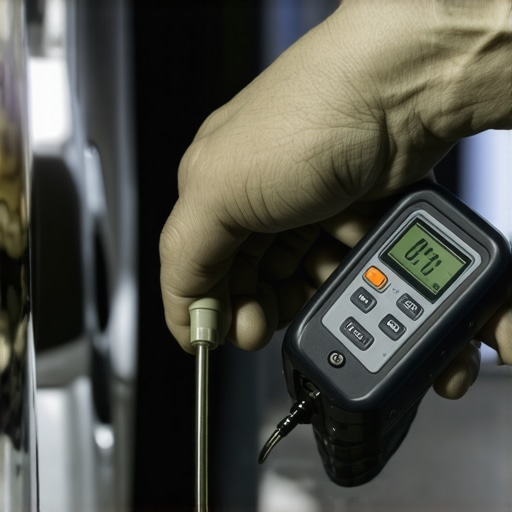
One highly effective procedure I suggest is performing a brake fluid test using a dedicated fluid tester. This inexpensive device quickly evaluates the moisture content in the brake fluid, which directly impacts braking performance and longevity. Regular testing every 20,000 miles helps prevent corrosion inside calipers and master cylinders. In fact, according to industry veterans, maintaining optimal brake fluid quality can extend the lifespan of your brake components significantly and prevent costly repairs down the line. Integrate this simple step into your routine, and you’ll notice improved braking response and safety.
The Hidden Lessons from My Brake Repair Journey
- Never dismiss the tiny signs—what seems like a minor squeal may be your vehicle’s way of warning you about deeper issues. Overlooking it cost me more than I expected when I ignored embedded gravel, leading to uneven brake wear.
- Expert tools and knowledge transform frustration into confidence. Investing in quality diagnostic equipment changed how I approach auto repairs, saving time and money in the long run. Trusted sources like this guide became my go-to reference.
- Consistent maintenance habits build resilience against unexpected breakdowns. Scheduling regular brake inspections and testing brake fluid quality—like I do every 20,000 miles—has kept me ahead of costly repairs and safety concerns. It’s about proactive care, not reactive fixes.
- Misinterpretations can lead to unnecessary expenses. Just because your brakes squeal doesn’t mean you need new pads right away. A thorough inspection often uncovers simple contamination issues, saving you from unwarranted replacements. Check out this article for common myths busted.
- Embracing modern diagnostics prepares me for future challenges. Using advanced scan tools and staying updated with industry developments—like the potential of predictive maintenance—has made auto repair more predictable and less stressful. I highly recommend exploring these resources.
Tools That Changed My Approach to Auto Care
- A high-quality digital multimeter: Vital for decoding sensor signals and electrical issues that affect brake performance. Trust me, compatibility and precision matter—I’ve learned the hard way.
- An automotive scan tool compatible with my vehicle: This device is indispensable for reading diagnostic trouble codes and monitoring live data streams, helping me catch issues early.
- A set of mechanic-grade hand tools and brake-specific instruments: They make repairs smoother, safer, and more accurate, preventing damage and ensuring safety.
- Online resources and industry bulletins: Staying informed about updates and recalls has saved me from unforeseen hazards and fixed issues before they became costly.
Your Path to Safer, Quieter Brakes Starts Today
Taking charge of your auto care story is empowering. Whether it’s learning to inspect brake pads or investing in the right diagnostic tools, every step you take enhances safety and comfort on the road. Remember, the real magic lies in proactive, informed maintenance—not waiting for symptoms to worsen. Dive deeper into vehicle diagnostics with this resource and keep your brakes whisper-quiet for miles to come.
What’s the first step you’re planning to take towards better brake health? Share your thoughts below!