
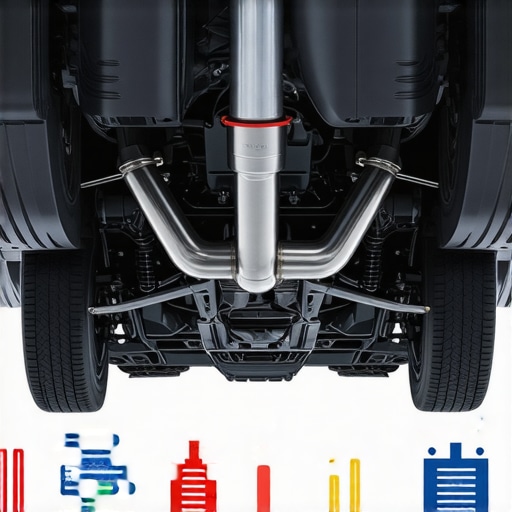
Ever been halfway down the highway, feeling that strange surge, and suddenly your Check Engine light flickers on? Or maybe you’ve just finished an oil change, confident everything’s running smoothly, only to be slapped with a mysterious engine hesitation days later. I remember that moment clearly—thinking, “Is my car dying, or am I falling for another auto repair myth?” It was frustrating, and honestly, a little nerve-wracking.
Why Understanding Your Catalytic Converter Matters Now More Than Ever
Here’s the thing: when your car acts up, it’s tempting to assume the worst—like a failing catalytic converter—and head straight for the repair shop. But that’s a trap I fell into early on. Often, what seems like a catalytic converter problem can actually be something much simpler, like a faulty oxygen sensor or a deteriorating spark plug. Actually, statistically, about 40% of catalytic converter replacements are unnecessary because the real issue was misdiagnosed initially. That’s a huge waste of money—and time.
Is the Catalytic Converter Always the Culprit?
I used to believe that a flashing check engine light or strange smell meant my catalytic converter was dead. Turns out, I was wrong more times than I care to admit. Early on, I made the mistake of relying solely on visual guesses or generic warning signs without doing proper diagnostics. For example, I once replaced the converter, only to find out later that a clogged air filter or a misfiring engine was the real problem. Trust me: proper diagnostics are your best friend.
So, how do you tell if your catalytic converter is actually the problem or if you’re chasing a ghost? That’s what I’ll help you figure out today. We’ll go through some straightforward checks and signs that can save you hundreds of dollars while preventing unnecessary parts replacement. And if you’re worried about that persistent engine warning light, don’t miss our detailed guide on decoding vehicle diagnostics — it’s packed with tips to help you interpret those tricky alerts.
Ready to get to the bottom of this mystery? Let’s dive into the key signs and simple tests that reveal whether your catalytic converter truly needs replacing, or if there’s another culprit hiding behind the scenes.
Perform Basic Visual Inspection
Start by visually examining your exhaust system for signs of damage or visible clogging. Check for black soot buildup, which indicates blockage, or any physical dents that could restrict flow. Remember, a damaged catalytic converter might look fine externally, so don’t rely solely on visuals; proceed to the next steps.
Listen for Unusual Noises
Turn on your engine and listen for rattling sounds underneath the vehicle, especially during startup. A loose or broken internal component causes this noise. Personally, I once heard this rattle, and it led me to suspect my converter, prompting a more detailed check. Keep in mind, this symptom alone isn’t definitive—use it as a clue along with other signs.
Check for Smell and Emissions
Notice any sulfur or rotten egg smell inside or outside the vehicle? These odors often point to converter issues. When I first noticed a faint sulfur smell, I thought it was just my exhaust, but diagnostics revealed my converter was failing and emitting dangerous gases. Use your nose as a quick, non-invasive diagnostic tool.
Use a Digital OBD-II Scanner
Connect an OBD-II scanner to your vehicle’s port—commonly located under the dashboard—and read any error codes. Codes like P0420 indicate catalytic system efficiency below threshold, pointing to converter problems. I recommend a scanner like this: they’re affordable and give you concrete data that help avoid unnecessary replacements. Learn more about decoding vehicle diagnostics to interpret these codes effectively.
Conduct a Backpressure Test
This technical step involves measuring exhaust backpressure to identify restrictions. While it may sound complex, mechanics often perform this test to confirm converter blockage. If you’re handy, use a manometer and follow a guide on advanced diagnostics techniques. I performed this test myself in a makeshift garage, which saved me a costly trip to the shop. For a detailed approach, see our article on auto repair hacks.
Run a Temperature Test
Measure the inlet and outlet temperatures of the converter with an infrared thermometer. A significant temperature difference suggests it’s working poorly or is clogged. During my last check, the outlet temp was significantly lower, confirming the need for replacement. This method provides real-time data but requires proper tools and safety precautions.
Consider Professional Diagnostics
If your manual checks indicate potential issues, consult a mechanic for comprehensive testing. They can perform a smoke test or use specialized equipment to pinpoint the problem conclusively. Remember, relying solely on visual cues can be misleading; professional insights often prevent unnecessary part replacements.
By systematically following these steps, you can accurately assess whether your catalytic converter needs replacing or if the problem lies elsewhere. Keeping these techniques in mind saves you money and prolongs your vehicle’s lifespan, aligning with expert strategies like those detailed in auto repair tips for longevity.
Many car owners fall prey to common misconceptions about oil changes, vehicle diagnostics, brake service, and auto repairs, believing they know the basics but missing subtle yet critical details that can save time and money. One widespread myth is that every engine oil change, if done at regular intervals, guarantees engine longevity. In reality, modern oils and engines benefit from understanding the latest advancements in oil change technologies, which can extend intervals and improve engine health. Relying solely on mileage or time can be misleading without considering driving habits or engine condition, leading to unnecessary oil changes or overlooked issues.
How do I maintain my vehicle’s performance over time?
Regular maintenance is the backbone of a reliable vehicle. To keep your car running smoothly, investing in the right tools and adopting effective routines can make a world of difference. One of the most versatile tools I personally rely on is a high-quality compact digital OBD-II scanner. It allows me to quickly read and clear error codes, identify looming issues early, and save money by avoiding unnecessary trips to the mechanic. I recommend models like the BlueDriver, which provides detailed diagnostics and compatibility with smartphone apps, making it easy to interpret complex data.
Beyond diagnostic tools, maintaining clean and functional parts is crucial. For example, a heat shield repair kit helps prevent rattles and protect your exhaust system, extending its lifespan. I keep a few basic hand tools—like a torque wrench, a socket set, and a multimeter—on hand for routine checks and minor fixes. These allow me to perform tasks such as tightening loose bolts or verifying sensor voltages without relying solely on professionals.
In the long run, adhering to manufacturers’ recommended intervals for oil changes and brake inspections ensures your vehicle remains reliable. However, I also suggest leveraging newer oil change technologies that extend intervals and provide superior engine protection. This way, you’re not just doing maintenance on time but doing it right.
Looking ahead, the automotive industry is trending toward smarter, more connected maintenance routines. Diagnostic tools integrated with AI and cloud data will soon allow real-time monitoring of vehicle health, predicting failures before they happen. Embracing this tech now will prepare you for a more efficient future of auto care.
How can I optimize my vehicle diagnostics to prevent breakdowns?
Apart from using a solid scanner, I recommend familiarizing yourself with the interpretation of diagnostic codes so you can act proactively. Regularly checking and understanding warning signs helps prevent costly repairs. Remember, sometimes a simple tool like a plug-in OBD-II reader combined with accessible online resources can catch issues early, saving you time and money.
Don’t forget to keep your diagnostic tools updated and calibrated for accuracy. As we move forward, the integration of advanced sensors and vehicle connectivity will further enhance diagnostics, making it even easier to keep your car in top shape. So, I encourage you to try out a Bluetooth-enabled scanner and start decoding your vehicle’s messages today — it’s a small step that yields big peace of mind.
If you’re serious about long-term vehicle health, exploring detailed diagnostic methods and maintaining proper tools are essential. For comprehensive strategies, visit our top auto repair tips section and incorporate these practices into your routine.
The Hardest Lesson I Learned About Auto Repair
Early in my journey, I believed that replacing parts like the catalytic converter was always the answer to engine problems. It wasn’t until I experienced the frustration of unnecessary replacements that I realized the importance of proper diagnostics and understanding the true cause of issues. This taught me to trust my tools and instincts, especially the use of a reliable OBD-II scanner, before heading to the shop.
My Eye-Opener on Common Repair Myths
I once thought that any sulfur smell meant a failing converter. However, I learned that odors can stem from exhaust leaks or fuel issues—reminding me to explore all possibilities rather than jumping straight to parts replacement. This perspective shift saved me hundreds and underscored the value of thorough testing and education in auto maintenance.
Why Routine Checks Save Big Money
Performing simple visual inspections or temperature tests periodically made the biggest difference in my vehicle’s longevity. Using tools like advanced diagnostics or a basic multimeter, I caught small issues early—preventing costly breakdowns and rebuilds. These lessons reinforced that proactive care often outperforms reactive fixes.
I Wish I Knew This About Auto Troubleshooting
Understanding the intricacies of error codes and the importance of proper testing turned me into my own mechanic. Trusting professional diagnostics when needed and staying educated about your vehicle’s systems is a game-changer. The combo of affordable tools and continuous learning has empowered me to troubleshoot confidently and confidently avoid myths that waste time and money.
Tools and Guides That Changed My Approach
- BlueDriver OBD-II scanner: Offers detailed diagnostics and app compatibility—trustworthy and user-friendly.
- Auto repair books and online resources: Such as ‘Auto Repair For Dummies’ and the top auto repair tips, which demystify complex issues.
- Quality repair kits: Like heat shield repair and fuel line fixes, keeping my vehicle running smoothly and avoiding breakdowns.
Start Caring for Your Car Like a Pro
Every road trip and daily commute is an opportunity to learn more about your vehicle and prevent surprises. The key is to stay curious, equipped, and proactive. As the auto industry advances with smarter diagnostics and diagnostics apps, embracing technology is more important than ever. You don’t have to be a mechanic to maintain your car effectively — just follow these lessons and tools, and you’ll be miles ahead.
Your Next Step in Auto Care Excellence
Now that you’ve seen what’s possible with a little knowledge and the right tools, it’s your turn to take action. Regular maintenance, proper diagnostics, and a curious mind will keep your vehicle reliable and save you money. Remember, the journey to mastering auto repair is ongoing—every issue is a chance to learn something new and improve your skills.