
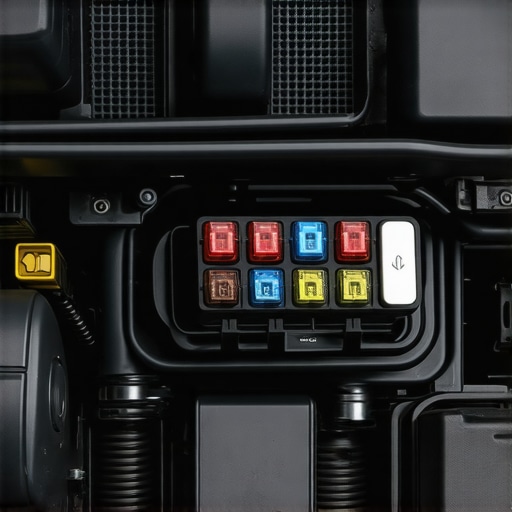
It was a scorching summer afternoon when I finally decided to get my car ready for that upcoming emissions test. I had been putting it off, hesitant about potentially costly repairs, but the day had come. To my dismay, the vehicle failed the test, and I was left scratching my head. After hours of digging through possible issues, I uncovered something that surprised me—a small fuse, overlooked and seemingly insignificant, was causing the entire problem. That lightbulb moment changed everything.
The Hidden Fuse Sabotaging Your Car’s Emissions Pass
You see, many car owners overlook the importance of those tiny electrical components, like fuses, in the complex web of your vehicle’s systems. That little fuse — often tucked away in the fuse box — can be the silent obstacle stopping your car from passing emissions. When it blows or becomes faulty, it can disable sensors crucial for the emissions system, making your vehicle appear perfectly fine when it’s not. My own experience taught me that a quick check of your vehicle’s fuses can save you from costly diagnostics or repairs. Better yet, understanding this simple fix empowers you to take control of your auto maintenance.
If you’re battling with a stubborn emissions failure, don’t assume it’s always expensive repairs or sensor replacements. Sometimes, the fix is as straightforward as inspecting a fuse. And, trust me, neglecting these small but vital components can lead to bigger issues down the road.
Is a Fuse Something You Should Worry About or Just a Fluke?
When I first learned about fuses affecting emissions, I admit I was skeptical. I had assumed emissions problems were reserved for sensors or catalytic converters. But I made a critical mistake early in my repair journey: ignoring the fuse box entirely. That oversight cost me time—and money. Today, I want to share that this tiny element can be your first, and often easiest, line of defense. For a broader understanding of vehicle diagnostics, I recommend checking out [decoding vehicle diagnostics and understanding what your car is trying to tell you](https://repairmycarpro.com/decoding-vehicle-diagnostics-what-your-car-is-trying-to-tell-you). It’s packed with insights that can help you prevent setbacks like mine.
Ready to get into the nuts and bolts of how to identify and fix that elusive fuse? Keep reading, because I’ll walk you through the simple steps that can turn your car’s sluggish emissions performance into a thing of the past.
Identify the Fuse Box Location
First, locate your vehicle’s fuse box. Most cars have it under the dashboard on the driver’s side or in the engine compartment. Consult your owner’s manual if you’re unsure. Once found, open the fuse box cover, revealing the array of fuses.
Gather the Necessary Tools and Replacement Fuses
You’ll need a fuse puller or a pair of needle-nose pliers, and the correct replacement fuse. Carry a variety of amperage-rated fuses matching your vehicle’s specifications to ensure compatibility. Check the specific fuse rating needed for the system you suspect is faulty.
Inspect the Fuse for Damage
Remove the suspect fuse carefully and examine it. A blown fuse typically shows a broken metal filament or a blackened appearance inside the transparent casing. Understanding your vehicle’s diagnostics can help interpret symptoms caused by fuse failure.
Replace the Blown Fuse
If the fuse is damaged, replace it with one of the same amperage rating. Insert the new fuse firmly into its slot, ensuring good contact. Do not use a fuse with a higher rating, as it can cause electrical damage or fires.
Test the System and Ensure Proper Functioning
Close the fuse box, start your vehicle, and test the affected system. If the system is operational and the fuse doesn’t blow again, you’ve likely resolved the issue. Persistent fuse failures indicate a deeper electrical problem requiring professional diagnostics. For more on vehicle troubleshooting, see advanced diagnostics techniques.
When it comes to vehicle maintenance, many drivers rely on simplified ideas or outdated beliefs that can lead to costly mistakes. For example, there’s a widespread myth that regular oil changes are just about oil color or smell, but in reality, modern engine oils with advanced additives require precise understanding to maximize engine health. Overlooking this nuance can result in premature engine wear, despite following the common advice to change oil every 3,000 miles. Moreover, many assume that vehicle diagnostics are always straightforward, but diagnostic scans can sometimes mislead if one isn’t familiar with the sophisticated sensors and systems at play. Relying solely on generic codes without understanding the underlying sensor interactions can cause unnecessary repairs or overlooked issues.
A tricky trap many fall into involves brake service, where some think new pads suffice, ignoring potential hidden problems like warped rotors or caliper sticking. These issues aren’t always visible during basic inspections and can significantly affect safety and performance. The key is recognizing that every component interacts within a complex system. For example, a soft brake pedal might seem trivial, but could point to master cylinder problems that are often missed by inexperienced technicians. Always get a comprehensive brake system evaluation—don’t settle for superficial fixes.
Thinking ahead, advanced owners ask: How do I distinguish between minor sensor faults and real engine issues? To correctly interpret vehicle diagnostics, one must understand the nuances of sensor calibration and the condition-specific responses they trigger. Studies by automotive sensor specialists indicate that mismatched or aging sensors can generate false readings, leading drivers to replace parts unnecessarily. For instance, a faulty oxygen sensor might suggest catalytic converter failure when a simple cleaning or reconditioning could suffice. Checking related systems and understanding sensor behavior can prevent costly misdiagnoses.
In my experience, a major mistake is neglecting the subtle signs that indicate underlying problems. Regularly reviewing original equipment manufacturer (OEM) specifications and seeking advanced diagnostic techniques—like using comprehensive scan tools—can uncover issues early. This proactive approach aligns with the advice found in [decoding vehicle diagnostics](https://repairmycarpro.com/decoding-vehicle-diagnostics-what-your-car-is-trying-to-tell-you) and [preventing breakdowns](https://repairmycarpro.com/how-advanced-vehicle-diagnostics-prevent-costly-breakdowns). Recognize that auto repair isn’t just about quick fixes; understanding these hidden nuances enables you to extend your vehicle’s lifespan and ensure safety.
Have you ever fallen into this trap? Let me know in the comments. Remember, a little knowledge goes a long way in keeping your car running smoothly and avoiding unnecessary expenses.
Investing in the Right Auto Repair Tools
Keeping your vehicle running smoothly over the long term requires more than just basic knowledge—it demands reliable, precise tools. My personal go-to is a quality digital multimeter like the Fluke 117, which provides accurate electrical diagnostics essential for troubleshooting sensor issues and electrical faults. I’ve found that investing in an infrared thermometer, such as the Seek Thermal Compact, allows me to quickly identify overheating components, especially during brake or engine assessments. These tools aren’t just gadgets; they empower you to pinpoint problems early, saving money and preventing breakdowns.
For software, I recommend OBD-II diagnostic scanners like the Autel MaxiScan MS309 or the BlueDriver Bluetooth Pro. These devices, paired with their respective apps, give access to real-time data and decode diagnostic trouble codes with clarity. Personally, I use BlueDriver because of its extensive freeze-frame data and live sensor readings, which help me understand exactly what your car’s computer is trying to tell you—an approach I detail in decoding vehicle diagnostics.
Extend Your Vehicle’s Service Life with Proven Strategies
Regular maintenance is the backbone of vehicle longevity. I adhere to a disciplined schedule of oil changes, but not just any oil—using synthetic oils with the latest additive technologies, as outlined in oil change innovations. This approach ensures your engine remains protected from wear and tear, especially in extreme temperatures.
Braking systems warrant special attention. Instead of waiting for squeals or pedal pulsations, I perform routine inspections using a specialized brake caliper piston tool and check for uneven wear, possible rotor warping, or caliper sticking. The ultimate brake service guide has been invaluable in understanding what to look for beyond the obvious.
Scaling Up Auto Maintenance Efforts
As your skills grow, consider investing in an aftermarket scan tool with bidirectional controls. Devices like the Autel Maxisys or Innova 3160 can command certain components during diagnostics, revealing hidden issues. Over time, I’ve moved from basic code readers to these advanced tools, enabling me to perform more comprehensive inspections and reduce dependency on costly professional visits.
Predicting future trends, I believe that integrating AI-driven diagnostics will become commonplace, offering predictive maintenance suggestions based on driving patterns and sensor data—making preventive care even smarter.
Questions About Maintaining Your Vehicle Long-Term?
If you want to ensure your car stays reliable for years to come, focus on adopting a meticulous maintenance routine. Try setting up scheduled check-ups using a combination of high-quality tools and knowledge—like understanding sensor behaviors or testing wiring integrity—and you’ll see significant improvements in durability and performance.
Remember, the key isn’t just fixing problems as they arise but proactively identifying potential issues. Check out decoding your vehicle’s diagnostics to start mastering this approach today!
Throughout my auto repair adventures, I’ve realized that the biggest breakthroughs often come from paying close attention to the tiny details others overlook. Small components like fuses or vacuum hoses can dramatically impact your vehicle’s performance and longevity, revealing that sometimes, the simplest fix beats complex diagnostics. The lesson here is to trust your intuition, arm yourself with knowledge, and never underestimate the power of routine inspections.
By sharing my experiences, I hope to inspire you to become more proactive in your car maintenance routine. Every car owner has the potential to detect early signs of trouble by developing an intuitive understanding of their vehicle’s behavior, ultimately saving money and extending their car’s lifespan. Remember, aligning your approach with proven strategies—like those outlined in top auto repair tips—can make all the difference.
Inside Wisdom That Changed My Auto Maintenance Approach
- Small fixes matter more than I thought: A blown fuse or a worn vacuum hose can lead to major emissions problems, reminding me that paying attention to small components can prevent big headaches.
- Diagnostic tools are worth the investment: Having a quality OBD-II scanner empowered me to identify issues quickly, avoiding unnecessary repairs and ensuring accurate diagnostics.
- Routine inspections save money: Regularly examining fuse boxes, brake components, and sensor connections can uncover problems before they escalate into costly repairs.
- Knowledge bridges the gap: Understanding how sensors and electrical systems work keeps me a step ahead, preventing misdiagnoses and unnecessary part replacements.
- Trust the subtle signs: Listening for weird noises or noticing unexpected behaviors allows me to catch issues early, often before warning lights even appear.
Tools and Resources That Make a Real Difference
- High-quality multimeter: I trust the Fluke 117 for accurate electrical diagnostics, which has been invaluable during troubleshooting electrical faults.
- OBD-II scanner with bidirectional controls: Devices like the Autel Maxisys enable me to command specific components, revealing hidden issues beyond basic code reading.
- Infrared thermometer: The Seek Thermal Compact helps me identify overheating parts, like failing sensors or brakes, with a quick scan.
- Informative books and websites: Resources such as decoding vehicle diagnostics have broadened my understanding of car systems and troubleshooting tips.
Embrace Your Inner Auto Maestro
You’re now equipped with insights that can transform how you approach vehicle maintenance—not just for emergencies but as an ongoing practice. Whether it’s inspecting fuses, understanding error codes, or doing small repairs, every step you take deepens your connection with your car and enhances its reliability. Remember, auto repair is a journey, not a destination; each lesson learned empowers you to keep your vehicle in peak condition.
So, take charge today—start small, stay curious, and enjoy the satisfaction of mastering your car’s well-being. Curious about how these tiny checks can prevent a roadside surprise? Dive into easy vehicle diagnostics and keep your adventure on the road smooth and safe.
Your Turn to Explore
Have you ever discovered a simple fix that saved you a lot of time and money? Share your story below—I’d love to hear how a small detail made a big difference in your auto maintenance routine!