
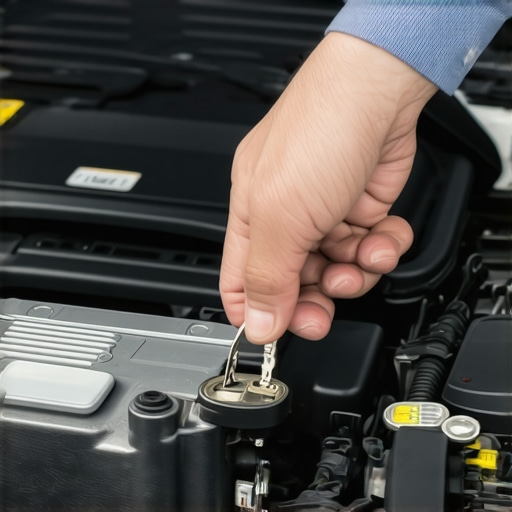
Ever had that moment where you turn the key, hear the engine come to life… and then, nothing. You try again, and suddenly your car roars to life as if nothing was wrong. It’s a small frustration, but over time, it can become a big mystery. I remember the first time this happened to me — I was convinced my battery was dying or my starter was on its last legs. But then I realized, there was a deeper reason behind that second-start pattern, and understanding it saved me a lot of unnecessary worry and expense.
Deciphering the Curious Case of the Second Attempt Start
Why does your car seem determined to make you press that ignition button twice? The truth is, it’s often not as simple as a failing battery or a worn-out starter. Sometimes, the issue lies in the vehicle’s sensibilities — the way your car communicates what it needs and how it responds to your key turn. Early in my automotive journey, I made the mistake of assuming every non-start was a dead battery. That mistake cost me time and money that could have been saved if I had known what to look for. For a comprehensive guide on diagnosing these sneaky problems, check out this article.
Is It Safe to Just Keep Trying Until It Starts?
Many car owners, myself included at first, worry that turning the key repeatedly might damage something inside. But the real danger is ignoring underlying issues that manifest as a second-start problem. Sometimes, what seems like a minor annoyance can escalate into a major breakdown if left unchecked. Early troubleshooting can prevent costly repairs later on, which is why understanding the root cause is crucial. If you’re curious about how advanced diagnostics can save you from preventable breakdowns, visit this resource.
Natural understanding of your vehicle’s behavior can be the key to easier, safer driving. Let’s explore what might be causing your car to hesitate on that first attempt and how you can fix it before it becomes a bigger headache.
Start with a Visual Inspection
Before turning to electronics, check your battery terminals for corrosion or loose connections. A simple visual can reveal obvious issues, just like tracking a leak under your kitchen sink. I once replaced a corroded terminal, which instantly fixed my car’s hesitation issues, saving me a trip to the mechanic. Ensure the battery posts are clean, tight, and free of rust.
Test the Battery’s Power
Use a multimeter to measure voltage; 12.6 volts indicates a healthy battery. For a quick test, turn on your headlights; if they dim significantly when starting, the battery may be weak. In my experience, replacing a failing battery cured my starting problem, even when the alternator tested fine. If the battery is suspect, replace it and see if the problem persists.
Check the Starter System
Listen for Clicks and Noises
When you turn the key, does the starter click or grind? A sluggish or absent sound suggests a malfunction. I once replaced a worn starter solenoid after hearing a faint click, which restored reliable starts. Examine wiring to the starter for fraying or corrosion, and tighten connections.
Test the Ignition Switch
If your battery and starter are fine, the issue might lie in the ignition switch. Use a test light to ensure power reaches the starter when you turn the key. In my case, wiggling the key in the ignition temporarily fixed the start issue, leading me to replace the ignition switch with straightforward tools.
Perform a Vehicle Diagnostics Check
If preliminary tests don’t find the culprit, harness advanced diagnostics. Modern cars communicate issues via sensors and modules, much like a computer logs errors. By connecting a scan tool, you can identify error codes such as P0700 for transmission faults or P0500 for vehicle speed sensor issues. I recommend consulting this resource to understand how these diagnostics can prevent costly breakdowns and clarify what your car’s trying to tell you.
Inspect and Test Sensors and Relays
Suspicion of faulty signals points to sensors like the neutral safety switch or crankshaft position sensor. These devices ensure your car only starts in gear or when the engine is ready. Check for suspicious sensor readings using diagnostics or by swapping suspect parts temporarily. I once replaced a faulty crankshaft position sensor that was causing intermittent starts and learned how vital sensors are for reliable ignition.
Solve and Prevent Future Issues
Once you’ve identified the cause, replace worn components — be it the battery, starter, or sensors. Regular maintenance, like periodic oil changes and brake inspections, extends your vehicle’s lifespan. For tips on maintaining your vehicle’s core systems, explore this guide. Keeping your car in top shape helps avoid unexpected breakdowns, saving you time and money.
Many car owners operate under common assumptions that can hinder proper maintenance and diagnostics. For instance, there’s a widespread myth that a simple oil change is enough to keep the engine in peak condition. In reality, modern engines require more nuanced attention, including the use of advanced diagnostics tools that can detect subtle issues before they escalate. Relying solely on age-old practices can lead to overlooked problems that cost more in the long run. To stay ahead, understanding the intricacies and employing the latest technology is essential.
One trap many fall into is assuming that brake noise always indicates worn pads. However, brake squeal can result from surface rust, glazing, or even dirt buildup, which can often be fixed without replacing components. Jumping straight to part replacement may be unnecessary and can lead to premature wear or overlooked issues. For comprehensive insights, check out this article.
Why Are Some Diagnostics Less Reliable Than You Think?
While vehicle scanners are invaluable, they aren’t infallible. Certain sensors or modules might not register errors immediately, especially if they’re affected by intermittent faults or environmental factors. Relying solely on code readers without understanding the underlying physics can lead you astray. Advanced diagnostics, such as live data analysis and component testing, provide a clearer picture. Learn more about how this technology can prevent costly breakdowns and improve repair accuracy.
Beware of neglecting the significance of subtle signals—a slight hesitation or a fleeting warning light can be the car’s way of telling you there’s an underlying issue. In my experience, ignoring these clues often results in more expensive repairs down the line. The key takeaway? Don’t dismiss minor anomalies; they often harbor the most critical clues. For detailed troubleshooting strategies, visit this guide.
Making assumptions based on outdated knowledge or incomplete diagnostics can be a costly mistake. Instead, stay informed about the latest automotive advancements and embrace a more nuanced approach to maintenance. Remember, the devil is in the details, and understanding those details can save you time, money, and stress. Have you ever fallen into this trap? Let me know in the comments.
Keep Your Vehicle Running Smoothly with the Right Tools
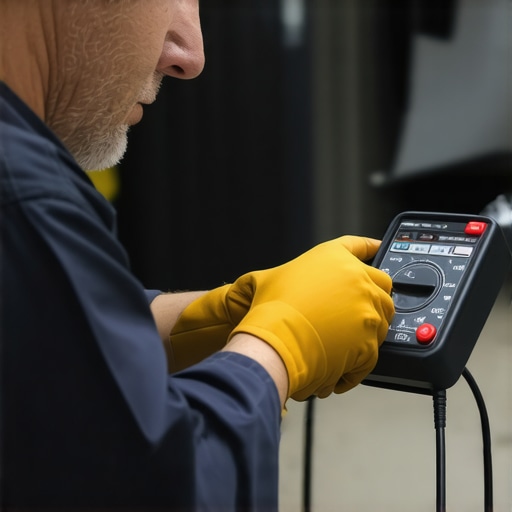
Maintaining your vehicle’s performance over time requires more than just basic knowledge; it demands the right equipment and a disciplined approach. Personally, I rely on a high-quality digital multimeter for quick electrical checks. It allows me to verify battery health, test fuses, and troubleshoot sensors with pinpoint accuracy. For instance, measuring the voltage across the battery terminals helps determine if the alternator is charging correctly, saving me from unexpected breakdowns.
Another indispensable tool in my kit is a scan tool or OBD-II reader. Modern vehicles communicate a wealth of information through error codes, and a reliable scanner like the BlueDriver provides detailed reports directly on my smartphone. When diagnosing a persistent check engine light, I connect the scanner, retrieve specific codes, and interpret the data myself—this eliminates unnecessary trips to the mechanic and accelerates repairs.
Utilize Software for Advanced Diagnostics
Beyond hardware, software platforms like vehicle diagnostics decoding tools empower me to interpret error codes in depth. These programs often include live data streams, making it easier to spot subtle sensor failures that might cause intermittent issues. I predict that as diagnostic software becomes more integrated with AI, we’ll soon see even smarter systems that predict failures before they happen, giving car owners a significant edge in preventive maintenance.
Long-Term Strategies for Auto Maintenance
Consistency is key. I schedule regular oil changes, replacements of worn brake pads, and fluid checks based on manufacturer recommendations. For example, I employ advanced oil change techniques that involve synthetic oils and filter upgrades, extending engine life and improving fuel economy. Using high-quality tools and staying disciplined in upkeep not only keeps my vehicle dependable but also reduces overall repair costs.
How do I maintain vehicle diagnostics over time?
Regularly updating your diagnostic software and educating yourself on reading error codes ensures you stay ahead of potential problems. I also track sensor health with live data analysis, which helps me catch issues like a weakening coolant temperature sensor before they cause serious engine damage. I recommend trying to interpret your vehicle’s diagnostic data yourself; it’s empowering and cost-effective. For comprehensive guidance, check out this resource to learn easy diagnostic checks that can save your trip.
Preparing for the Future of Auto Maintenance
Looking ahead, I believe the trend toward wireless diagnostics and AI-powered maintenance alerts will revolutionize how we care for our vehicles. Imagine receiving a notification on your phone that a sensor is trending toward failure, allowing preemptive action. Embracing these technologies now can extend the lifespan of your vehicle and ensure safety on the road.
To get started with confident diagnostics, I suggest investing in a quality scan tool and learning to read your vehicle’s error codes. Becoming familiar with decoding error codes is an empowering step toward maintaining your car effectively. Happy troubleshooting!
For ongoing support and expert advice, don’t hesitate to reach out.
What I Wish I Knew About Ignition Mysteries
One of the hardest lessons I learned was realizing that a car’s refusal to start on the first try isn’t always about the battery or starter. Sometimes, the real culprit is a subtle sensor glitch or an electrical inconsistency that can be fixed with patient diagnostics. Embracing a mindset of curiosity rather than frustration has saved me countless trips to the mechanic and a lot of money. The more I learned about the intricate dance of vehicle systems, the more I understood that every hesitation has a story waiting to be uncovered—much like solving a mystery inside your car.
My Favorite Tools and Resources That Changed the Game
Staying ahead in vehicle diagnostics requires the right equipment. I rely heavily on a quality scan tool or OBD-II reader that provides detailed error codes and live data feeds. It’s like giving your car a check-up with a smartphone. Additionally, books like reliable auto repair guides help me interpret complicated codes into understandable language. These resources empower you to diagnose troubles confidently, saving both time and money while giving you peace of mind on the road.
Seize the Moment And Take Action Now
Your vehicle constantly whispers clues about its health—sometimes loud, sometimes subtle. Addressing second-start issues early can prolong your car’s lifespan and prevent costly repairs. Think about integrating diagnostic checks into your regular maintenance routine, much like a routine health check-up. Don’t wait for that ominous warning light to become a breakdown. Learning to decode your car’s signals today isn’t just practical; it’s empowering. Stay curious, keep learning, and enjoy safer, more reliable driving. How will you start applying these insights to keep your vehicle in top shape? Drop your thoughts below, and let’s learn together from each other’s experiences.