

I’ll never forget the moment I first noticed my car’s oil light flickering just as I was approaching a stoplight. It was like the car was reminding me it’s playing a game of hide-and-seek with me. I was frustrated and a little worried, wondering if I had a serious problem or if I was imagining things. Turns out, that flickering oil warning was a sign of a common but often misunderstood issue—something that can lead to costly repairs if ignored.
Understanding the Weird Flicker: What’s Really Going On
That oil light flickering only when you’re at a standstill is more than just a quirky feature. It’s a indicator that something isn’t quite right in your engine’s lubrication system. A common cause is a faulty oil pressure sensor or a loose connection. Sometimes, it’s an indication that your oil level is low or the oil pump isn’t maintaining proper pressure. The key is not to dismiss these warnings—early detection can save you money, stress, and a potential breakdown.
Is This Just a Glitch or a Real Threat?
Early on, I made the mistake of ignoring those flickers, thinking they were just a sensor hiccup. But data shows that persistent oil pressure issues can seriously damage your engine over time (source: decoding vehicle diagnostics). The good news is, you don’t have to be a mechanic to figure this out. With a bit of patience and some basic checks, you can identify if this flicker is a tiny hiccup or a red flag that needs immediate attention.
Start with the Basics
Just like checking your phone’s battery when it behaves weirdly, begin with simple inspections. Turn off your engine, open the hood, and locate your oil dipstick. Pull it out, wipe it clean, and re-insert it fully before pulling it out again to check the oil level. If the oil is below the recommended mark, top it up immediately using the manufacturer-approved oil type (find details on oil change innovations). Ensuring proper oil levels can often resolve flickering warning lights caused by low oil pressure.
Check the Oil Pressure Sensor
Think of the oil pressure sensor as your car’s nervous system sensor; it reports oil pressure readings to the dashboard. If faulty, it may send false signals like flickering warnings. Locate the sensor—usually near the oil filter or on the engine block—and inspect for corrosion, damaged wiring, or loose connections. Use a multimeter to test the sensor’s resistance; instructions can be found in decoding vehicle diagnostics. If tests show malfunction, replacing the sensor can often eliminate false flickering signals.
Perform a Physical Inspection of Wiring
Unplug and re-seat connector pins to ensure good contact. Look for frayed wires or corrosion that could cause intermittent signals. This step is akin to checking loose wire connections in your home electrical system; a simple fix can restore proper communication.
Test the Oil Pump Functionality
The oil pump circulates engine oil under pressure, akin to a heart pumping blood. If it fails or is sluggish, it can lead to fluctuations in oil pressure, triggering warnings. To check, use a mechanical gauge to measure actual oil pressure; this requires some technical skill. If pressure readings are consistently low despite adequate oil and a good sensor, the pump may need replacement. This step verifies whether the core component responsible for oil flow is functioning normally, preventing costly engine damage.
Consider Fueling the Diagnostic Process
Sometimes, flickering lights can result from complex issues like vapor lock or fuel delivery problems that affect engine performance. Consult professional diagnostics if simple checks don’t reveal the culprit. Vehicle diagnostics have advanced tools (see advanced vehicle diagnostics) that can pinpoint subtle faults that cause warning lights to flicker unpredictably. Don’t hesitate to reach out to experts if you’re unsure about your findings.
Document Your Steps and Results
Keep a detailed log of what you’ve tested, replaced, and observed. This record aids in narrowing down persistent issues and provides valuable info to a mechanic if professional help is needed later. Think of it as your car’s medical history—crucial for effective treatment.
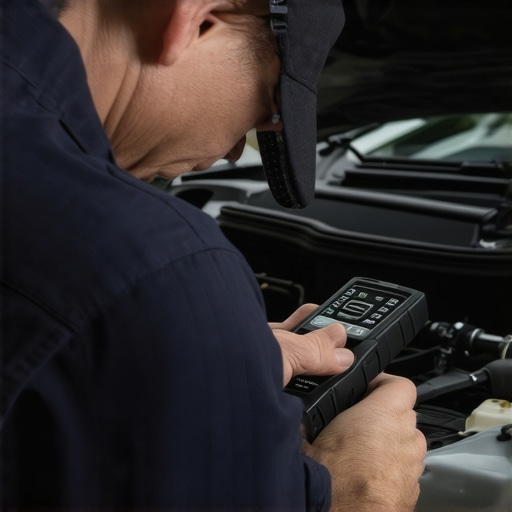 Many car owners believe that basic tasks like oil changes and brake services are straightforward and universally understood. However, as an automotive expert, I can tell you there’s more nuance and common pitfalls that often go unnoticed. For example, many assume that using the cheapest oil filters is sufficient to protect the engine, but recent studies highlight that quality filters can significantly extend engine longevity, as detailed in this resource. Another widespread myth is that brake pads are a one-size-fits-all maintenance item—when, in reality, selecting the right type based on driving style and vehicle use is crucial, as covered here.
An advanced mistake many overlook is neglecting the nuances of vehicle diagnostics. Modern cars come equipped with sophisticated sensors and control modules; relying solely on generic codes without understanding the context can lead to misdiagnoses. As explained in this guide, diving into the specifics of sensor outputs and integrating external data can prevent costly repairs.
Why do so many fall into these traps? It’s partly due to the assumption that auto repairs are simple fixes anyone can do or that newer vehicles require less attention. Reality shows that neglecting deep diagnostic insights or relying on outdated assumptions can lead to increased repair costs and compromised safety. For instance, not recognizing the signs of a failing wheel bearing before it seizes can turn a minor issue into a dangerous roadside breakdown, as described here.
Understanding these hidden nuances underscores the importance of ongoing education and expert consultation. When considering your vehicle’s maintenance, always remember that a little extra knowledge and attention to detail can save you a lot of money and trouble. Want to avoid these common mistakes? Reach out through our contact page and let me help you stay ahead of automotive problems.
And now, a question for the discerning gearhead: How often do you verify the accuracy of your vehicle diagnostics beyond the basic code reader? Share your experiences or insights in the comments. Remember, in auto repair, the devil is in the details.
Gear Up for Long-Term Reliability
Maintaining your vehicle’s health over the years requires more than just routine check-ups; it demands the right tools and a strategic approach. One of my top recommendations is investing in a professional-grade OBD-II scanner, like the BlueDriver. Unlike basic code readers, this device provides comprehensive diagnostic data and live parameter graphs, making troubleshooting more accurate and efficient. I personally rely on it for quick preliminary assessments before heading into more complex repairs, which saves me both time and money.
The Power of Diagnostic Software
Connecting your OBD-II scanner to robust diagnostic software, such as Decoding Vehicle Diagnostics, enhances your ability to interpret sensor data with clarity. This combination allows for early detection of issues like throttle position sensor misfires or emissions faults, which can otherwise fly under the radar. As vehicles become more complex, embracing advanced diagnostic tools becomes vital—it’s where the future of auto maintenance is headed.
Essential Hand Tools for DIY Repairs
For tasks like oil changes or brake pad replacements, a quality stubby screwdriver set and a torque wrench ensure precision and safety. I swear by a digital torque wrench that displays real-time torque readouts; it helps prevent over-tightening, prolonging component life. Investing in a magnetic pickup tool also saves hassle when retrieving dropped nuts or bolts in tight spaces, a common challenge during repairs.
Utilizing Specialty Equipment for Precise Maintenance
High-end tools like a precision oil filter wrench or a brake caliper piston tool enable accessory replacements without risking damage. When performing oil changes, I recommend using a specialized oil filter removal tool—it reduces mess and prevents filter breakage, particularly with tight placements. Regularly upgrading your toolkit with these devices ensures smoother, safer repairs that extend your vehicle’s lifespan.
Maintenance Strategies for the Long Run
Routine checks using these tools allow early intervention, preventing small issues from becoming costly repairs. Additionally, documenting your maintenance process with a dedicated app, like Car Promise, helps track your service history and plan future inspections. As technology advances, staying equipped with the latest diagnostic tech will be essential to keep pace with vehicle innovations.
How do I maintain vehicle diagnostics over time?
Regularly updating your diagnostic software and firmware for tools like the BlueDriver ensures compatibility with new vehicle models and features. Also, dedicating time every few months to calibrate and test your equipment is key—this minimizes false readings and enhances diagnostic accuracy. Remember, incorporating these practices helps you catch problems early, saving money and avoiding roadside breakdowns. Want to see your vehicle perform at its best? Try updating your diagnostic software today and observe how accurately you can diagnose issues before they escalate.
Lessons Hidden Beneath the Surface of Auto Fixes
Over years of troubleshooting, I realized that every engine misfire and flickering warning light taught me more than just technical steps; it unveiled deeper truths about patience, observation, and humility in auto repair. One takeaway? Sometimes, the most elusive problems stem from overlooked details—like a loose sensor connector or a tiny vacuum leak—that challenge your attention to minute clues. Embracing these lessons transformed my approach from quick fixes to holistic diagnostics, emphasizing that mastery involves continuous learning and openness to discovering what isn’t immediately obvious.
Tools and Knowledge That Changed My Perspective
The most valuable resources I rely on include the decoding vehicle diagnostics guide, which demystifies complex sensor data, and my trusted oil change innovations that preserve engine health. These tools and knowledge bases have empowered me to identify root causes accurately, saving time and money. Equally, honing my physical inspection skills with quality diagnostic equipment elevated my confidence, proving that investing in the right tools is as vital as understanding the concepts behind them.
Keep the Passion Alive: Your Journey Begins Now
Your pursuit of vehicle excellence doesn’t have to stop here. Embrace the curiosity and detail-oriented mindset that auto diagnostics demand—it’s an investment not just in your car, but in your own confidence. Whether you’re a DIY enthusiast or a seasoned mechanic, remember that each accurate diagnosis and fix deepens your understanding and skill. If you’re ready to elevate your repair game, reach out through our contact page for personalized guidance. Your vehicle’s health is a reflection of your dedication; let’s keep it running smoothly together.