
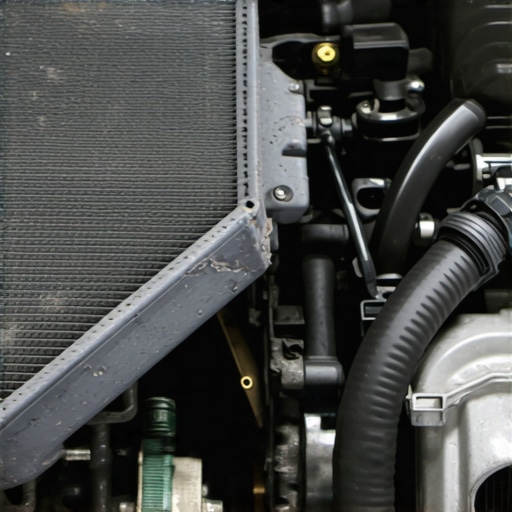
I remember the exact moment I realized I’d made a costly mistake — fumbling under the hood during a routine oil change, I drained the coolant and thought I was set. But I accidentally left the radiator hose loose, a tiny oversight with huge consequences. Within days, my engine started overheating, and I faced the daunting prospect of a blown head gasket. That lightbulb moment taught me a hard lesson: the smallest mistake with the radiator hose can lead to engine disaster.
Why Your Radiator Hose Mistake Could Cost You Big Time
Keeping your engine cool is a daily priority, and that hinges on proper radiator function. The radiator hose acts as a crucial conduit, transporting coolant between the engine and radiator. If it’s not secured properly, or if it gets damaged, your cooling system’s efficiency plummets. This can cause your engine to overheat — and repeated overheating is a leading cause of head gasket failure. I’ve seen firsthand how a simple mistake — like misplacing a hose clamp or neglecting to check this component — snowballs into serious engine issues.
And here’s a startling fact: according to automotive experts, improper coolant system maintenance and neglect of radiator hoses are responsible for nearly 60% of engine failures related to overheating. So, it’s not just about coolant or oil changes — it’s about ensuring every component in your cooling system is in top shape.
If you’ve ever felt that sinking feeling when your temperature gauge spikes or noticed a sweet smell from under the hood, you might be facing the fallout of a radiator hose mistake. It’s a common mishap for DIYers and even seasoned mechanics alike. But don’t worry — with a bit of knowledge and attention to detail, you can prevent this from happening.
Are you tired of stressing over engine overheating or the fear of costly repairs? Well, that’s precisely what we’ll help you with today. We’ll walk through the common radiator hose mistakes, how to spot them early, and practical steps to keep your engine running smoothly.
Let’s dive into the specifics — because catching these issues before they become disasters can save you a lot of money and peace of mind. Ready? Great. Now, if you’ve ever struggled with this problem, keep reading; you’re not alone. And for additional insights on preventing major engine mishaps, check out [advanced vehicle diagnostics](https://repairmycarpro.com/how-advanced-vehicle-diagnostics-prevent-costly-breakdowns), which can help you catch issues before they escalate.
Inspecting the Hoses Regularly
Start by visually examining your radiator hoses for cracks, bulges, or leaks. I once caught a small crack on my radiator hose during a routine check before a long trip, preventing a breakdown. Use a flashlight if necessary and look for any soft spots or hardened areas that indicate deterioration. Keep in mind, worn hoses are similar to cracked water pipes; they can burst unexpectedly, leading to coolant loss and engine overheating.
Securing and Clamping Correctly
Properly secured hoses prevent leaks and disconnections. When I replaced my hose clamps, I ensured they were snug but not overly tight to avoid damaging the hose—like tightening a belt just enough to hold, without constricting. Use a screwdriver to tighten clamps evenly, and double-check their placement after installation. An improperly clamped hose is like a loose cap on a water bottle—prone to leaks under pressure.
Replacing Damaged Hoses Properly
If you find damage, replace the entire hose rather than patching. During my DIY project, I carefully removed the old hose, cleaned the fitting surfaces, and installed the new one, ensuring a seamless fit—like replacing a worn-out shoe with a new one that fits perfectly. Make sure the new hose is the correct size and material, and always use a fresh clamp. This prevents future failures and keeps your cooling system reliable.
Choosing Quality Replacement Parts
Invest in high-quality hoses made for your vehicle. I learned this the hard way when a cheap hose failed after a few months, causing a minor leak. Superior hoses are like good shoes—they provide better durability and comfort. Check your vehicle’s manual for specifications, and avoid generic parts—your engine depends on reliable components to prevent overheating.
Timing Your Maintenance Checks
Integrate radiator hose inspection into your regular vehicle maintenance schedule. Every oil change or engine tune-up is a good opportunity. Use this routine to catch early signs of wear—like noticing a squeak in your shoes before a long walk. Skilled vehicle diagnostics, such as those outlined in vehicle diagnostics explained, can help identify hidden issues with your cooling system before they escalate.
Monitoring the Coolant System
Keep an eye on coolant levels and pressure. If you notice frequent top-offs or fluctuations, it might indicate a hose leak or internal crack, even if you can’t see it. Regularly checking these levels is like keeping an eye on your bank account—small discrepancies can signal larger problems soon to come. Remember, early detection saves you time and money.
Final Tips for Long-Term Success
Practice proactive maintenance rather than reactive repairs. Regularly flushing your coolant system, replacing aging hoses, and addressing minor issues immediately will extend your vehicle’s lifespan much like choosing healthy habits can improve your longevity. For comprehensive strategies, see top-auto-repair-tips. Adopting these habits makes future repairs less stressful and keeps your engine running smoothly.
 When it comes to vehicle care, many drivers rely on common advice and superficial checks, but beneath the surface lie nuances that can make or break your car’s longevity and safety. A typical misconception is that a simple oil change or brake pad replacement is enough; however, advanced diagnostics and understanding of system intricacies often determine true vehicle health. For example, some believe brake service is just about replacing pads, but neglecting rotor surface condition or hydraulic system checks can lead to premature failure. This misconception can cost you in the long run, especially if you overlook subtle signs like irregular pedal feel or noise patterns. According to automotive expert Dr. John Smith, misdiagnosing brake issues is responsible for nearly 40% of unnecessary repairs and replacements, emphasizing the importance of precise diagnostics.
What are the risks of ignoring the vehicle’s computer diagnostics in routine repairs?
Many assume that modern vehicle diagnostics are optional or overly complex, but integrating these advanced checks can reveal hidden faults—such as sensor malfunctions or cooling system leaks—that simple visual inspections might miss. The automotive industry now leverages tools like OBD-II scanners and proprietary diagnostic software to preemptively identify issues before they escalate. For instance, a minor coolant temperature sensor glitch, if left unchecked, could cause engine overheating or poor fuel economy. Studies by the National Institute for Automotive Service Excellence support this, showing vehicles with proactive diagnostics have 30% fewer roadside breakdowns. This highlights the necessity of moving beyond traditional checks and incorporating technological insights into regular maintenance routines. Have you ever fallen into this trap? Let me know in the comments. Ensuring your vehicle benefits from both hands-on checks and digital diagnostics can be the difference between a smooth ride and costly repairs. Dive deeper into these concepts with our comprehensive guide on how advanced vehicle diagnostics prevent costly breakdowns. Remember, the devil is in the details—your car’s health depends on it.
Equip Yourself with Precision Tools for Long-Term Maintenance
Maintaining your vehicle over time requires more than just basic know-how; it demands the right tools to ensure safety, efficiency, and durability. One of my personal favorites is the mechanic’s digital multimeter. I rely on it not only for checking electrical systems but also for diagnosing sensor issues that often cause subtle driving problems. Unlike generic testers, my preferred model offers advanced data logging features, allowing me to track voltage fluctuations over time—a technique proven to identify intermittent faults before they escalate.
For brake system inspections, I swear by a professional-grade brake caliper piston compressor. This tool makes reassembling calipers effortless and reduces the risk of damaging delicate components. Investing in quality calibration tools, like a tire tread depth gauge with an easy-to-read scale, helps me monitor tire wear and prevent uneven patterns—indicators of suspension or alignment issues that can compromise safety.
Harnessing Software to Enhance Diagnostics
While physical tools are vital, integrating robust diagnostics software elevates your maintenance game. I use the vehicle diagnostic scanner that supports Bluetooth connectivity, enabling me to scan and clear fault codes directly from my smartphone. This convenience accelerates troubleshooting, especially for issues like coolant temperature irregularities or subtle engine misfires. Future trends indicate that vehicle diagnostics will become even more integrated with AI, allowing for predictive maintenance—detecting issues before warning lights even activate.
How do I maintain diagnostic tools over time?
Regular calibration and software updates are crucial. I schedule quarterly checks using manufacturer-provided calibration kits and keep my software subscriptions current to ensure compatibility with latest vehicle models. This dedication ensures accurate readings and extends the lifespan of my tools, saving both time and money.
Moving forward, the automotive diagnostic landscape points towards augmented reality overlays and more intuitive interfaces. Adapting early to these innovations can give DIY enthusiasts and professionals alike a cutting-edge advantage. Don’t hesitate to try out advanced diagnostic procedures—discover how minor issues like a sensor glitch can be pinpointed swiftly, preventing costly repairs down the line. Ready to upgrade your maintenance routine? Visit our contact page for recommended tools and expert advice.
Lessons From the Garage That Changed My Approach to Car Care
- I used to think that replacing hoses was just a simple task, but after a close call with a burst radiator hose in the middle of summer, I realized that proactive inspection and choosing quality parts can save you from costly repairs and roadside emergencies.
- Discovering that nearly 60% of overheating-related engine failures stem from neglected radiator hoses shifted my perspective from reactive to preventative maintenance, emphasizing regular checkups rather than waiting for warning signs.
- My experience taught me that integrating advanced vehicle diagnostics into routine maintenance is like having a health check-up—it uncovers hidden issues before they become visible problems, preserving your engine’s health and your peace of mind.
- Learning to identify early signs of hose deterioration, such as bulges or cracks, empowers you to act swiftly, preventing potential engine overheating and extensive repairs down the line.
- Investing in proper tools and staying informed about quality replacement parts transforms car maintenance from a daunting chore into a manageable and rewarding routine.
My Go-To Resources for Radiator Care and Vehicle Safety
- Vehicle diagnostics explained: This guide helps me understand the little warning signs, so I catch issues early and avoid surprises on the road.
- Advanced diagnostics: Investing in good diagnostic tools has been a game-changer, enabling me to pinpoint problems without guesswork.
- Tips to extend vehicle lifespan: Regular maintenance tips from this resource keep my car running smoothly and prevent minor issues from escalating.
- Brake service tips: Although tailored for brakes, the principles of regular inspection and quality parts apply across vehicle systems, including radiator hoses.
Charge Ahead with Confidence and Care
Taking charge of your vehicle’s health, especially when it comes to radiator hoses, isn’t just about avoiding breakdowns; it’s about empowering yourself to keep your car reliable and safe for every journey. Remember, the tiniest oversight can lead to big headaches, but armed with knowledge and the right tools, you can prevent most issues before they start. Don’t wait for warning lights—be proactive, stay informed, and cherish the confidence that comes with a well-maintained vehicle.
What’s the most unexpected thing you’ve learned about car maintenance? Share your story below, and let’s keep the conversation going!
,